
Salads
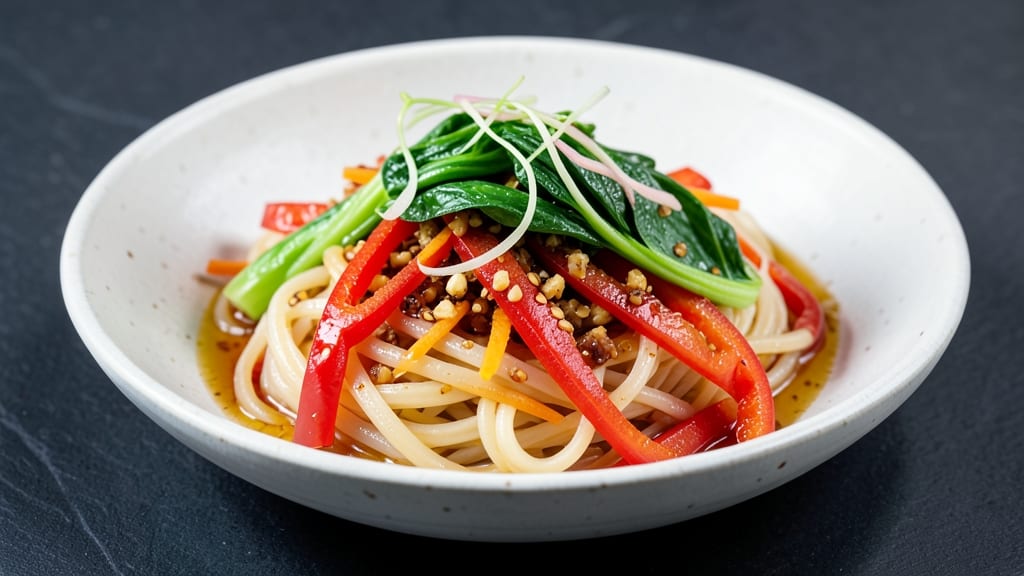
This Chinese rice noodles with vegetables recipe delivers a vibrant, light yet satisfying dish that captures the essence of street-style Chinese cuisine—without the heavy oil. The secret lies in high-heat stir-frying, where crisp-tender vegetables and chewy rice noodles absorb a tangy-savory sauce in just 15 minutes.
I developed this version after years of testing—balancing textures and flavors so every bite feels fresh, not soggy. What makes this dish special is the authentic sauce blend: tamarind for depth, soy for umami, and a touch of chili for heat, all tossed with fresh herbs and lime.
The noodles soak up the sauce perfectly while maintaining their al dente bite, and the vegetables—bell peppers, carrots, and bok choy—keep their crunch. Serve with a sprinkle of crushed peanuts and fresh cilantro for extra texture and brightness.
Ingredients for chinese rice noodles with vegetables
Authentic Asian flavors meet crisp vegetables and chewy noodles in this vibrant vegetarian dish.
| Ingredient | Amount | Notes |
|---|---|---|
| Rice Noodles 🍜 | 8 oz | Flat, medium-width preferred |
| Red Bell Pepper 🌶️ | 1 whole | Thinly sliced into strips |
| Carrots 🥕 | 2 medium | Julienned into matchsticks |
| Bok Choy 🥬 | 2 small | Baby heads, separated leaves |
| Garlic Cloves 🧄 | 4 cloves | Minced for sauce |
| Fresh Ginger 🌿 | 1 inch | Peeled, julienned |
| Tamarind Paste 🍋 | 1 tbsp | Or substitute lime juice |
| Light Soy Sauce 🥢 | 2 tbsp | Low-sodium preferred |
| Sesame Oil 🫒 | 1 tbsp | Toasted, for finishing |
| Vegetable Oil 🫒 | 2 tbsp | High smoke point |
| Red Chili Flakes 🌶️ | ½ tsp | Adjust for heat preference |
| Lime Juice 🍋 | 1 tbsp | Freshly squeezed |
| Crushed Peanuts 🥜 | ¼ cup | For garnish |
| Fresh Cilantro 🌿 | ¼ cup | Chopped, for garnish |
The rice noodles are the foundation—opt for flat, medium-width noodles like Vermicelli or Sen Lek, available in the Asian aisle of most grocery stores. Look for brands like Thai Kitchen or Mama Lu for consistent quality. Bok choy should have crisp, vibrant green leaves—avoid wilted heads. Carrots should be firm with bright orange color, not rubbery or dry. Fresh ginger is non-negotiable here; Whole Foods or Trader Joe's carry excellent quality. Tamarind paste can be found in the international foods section, often near the soy sauce—Mae Ploy is a reliable brand.
No tamarind paste? Lime juice plus 1 tsp brown sugar mimics its tangy depth. Substitute bell peppers with green beans or snap peas for extra crunch. For a smokier profile, add 1/4 tsp smoked paprika to the sauce. Carrots can be swapped for daikon radish or jicama for a different texture. The sesame oil should be toasted—La Choy or Kadoya are excellent choices. If using pre-minced garlic, toast it first in oil to deepen the flavor. For extra umami, add 1 tsp vegetarian oyster sauce to the soy mixture.
Noodles should be cooked al dente—soak in hot water for 2-3 minutes less than package instructions, then drain and rinse with cold water to stop cooking. Store prepped vegetables in airtight containers for 3 days in the fridge. The sauce keeps for 5 days refrigerated, but add fresh lime juice before serving. For meal prep, portion noodles and sauce separately—toss together just before eating to maintain texture. Garnishes like peanuts and cilantro stay fresh for 1 week in sealed containers.
Why You'll Love This Recipe
- No Boil Required: I soak the noodles while I chop—no standing over a pot, no waiting for water to boil. That crisp-tender texture? Just a quick sear in the pan after draining.
- Garlic-Glazed Magic: The minced garlic hits the hot wok first, blooming into nutty sweetness before the bell peppers and carrots join. That first bite—where the noodles catch the caramelized edges? Ridiculously good.
- Lunchbox Hero: Double the batch on Sunday, and I’ve got three lunches ready. The bok choy stays crisp even after reheating, and the noodles soften just enough to be satisfying cold or warm.
- Pantry Staple Power: Bell peppers last weeks, carrots are cheap, and bok choy’s one of those veggies that’s always on sale. I make this for date nights, solo dinners, or when my kid’s friends show up hungry—no stress, just flavor.
Step-by-step instructions for light, fresh rice noodles
This method delivers vibrant, crunchy vegetables and perfectly tender noodles with a bright, balanced sauce.
Prepare the Vegetables for Maximum Crunch
Start by slicing the 1 whole red bell pepper into thin strips—about ¼-inch wide—using a sharp mandoline or chef's knife. This ensures even cooking and maintains texture. Next, julienne the 2 medium carrots into matchsticks, keeping them uniform in length. For the 2 small bok choy, separate the baby heads into individual leaves, discarding any wilted outer leaves. The goal is to preserve their crispness while allowing them to soften just enough to complement the noodles.
Peeled 1 inch fresh ginger should be julienned into fine matchsticks, and 4 cloves garlic should be minced until almost paste-like. Set these aside—they'll form the aromatic base of your sauce. Work quickly to prevent oxidation, especially with the bell pepper and bok choy, which can turn mushy if left exposed too long.
Cook the Rice Noodles Al Dente
Bring a large pot of water to a rolling boil and add the 8 oz rice noodles. Cook for 3-4 minutes—just until they're pliable but still slightly firm to the bite. Overcooking will turn them mushy. Drain immediately in a colander and rinse under cold water for 10 seconds to stop the cooking process. This step is critical: the noodles should hold their shape when tossed but soften further when combined with the sauce.
Transfer the drained noodles to a large mixing bowl and toss with 1 tablespoon lime juice and ½ teaspoon red chili flakes. The acidity brightens the noodles while the chili flakes add subtle heat. Let them sit while you prepare the sauce—this jumpstarts the flavor infusion.
Build the Flavorful Sauce
Heat 2 tablespoons vegetable oil in a wok or large skillet over medium-high heat until shimmering. Add the julienned ginger and minced garlic, cooking for 30-45 seconds until fragrant but not browned. Immediately add the sliced bell pepper, carrot matchsticks, and bok choy leaves. Stir-fry for 2-3 minutes until the vegetables begin to soften but still retain their vibrant color.
Pour in 2 tablespoons light soy sauce and 1 tablespoon tamarind paste, stirring constantly. The tamarind adds a tangy depth that balances the soy's saltiness. Let the mixture simmer for 1-2 minutes until the sauce thickens slightly and coats the vegetables. Remove from heat and set aside.
Combine and Finish with Crunchy Toppings
Return the noodles to the wok or skillet and toss everything together, coating the noodles evenly with the vegetable mixture. Drizzle with 1 tablespoon sesame oil and toss again to distribute. The sesame oil adds a nutty aroma and helps bind the dish. Taste and adjust seasoning—add a splash of water if the sauce is too dry, or more lime juice if it needs brightness.
Divide the noodles among 4 bowls and garnish each serving with ¼ cup crushed peanuts and ¼ cup chopped fresh cilantro. The peanuts add texture contrast while the cilantro provides a fresh finish. Serve immediately while the noodles are still warm and the vegetables retain their crunch.
Pro Tips For Making Chinese Rice Noodles With Vegetables
- SOAK NOODLES UNTIL JUST FLEXIBLE: I learned this the hard way—rice noodles go from perfect to mushy in seconds. Drop them in warm water (not boiling) and check after 5 minutes. They’re ready when they bend slightly but still have a tiny bite—like fresh pasta, not overcooked spaghetti.
- CUT BOK CHOY IN HALF LENGTHWISE: This isn’t about looks—it’s about speed and texture. Whole bok choy takes forever to wilt, and the thick stems stay stubbornly crunchy. Halve it and you get even cooking, faster wilting, and those tender stems you actually want to eat.
- STIR-FRY GARLIC IN BATCHES: Garlic burns faster than you think, and nothing ruins a dish like bitter, blackened cloves. Cook half the minced garlic first until fragrant (about 20 seconds), then push it to the side and add the rest. The pan stays hot, the garlic caramelizes without burning, and your whole dish smells amazing.
- DON’T OVERCROWD THE PAN: I used to toss everything in at once, thinking it’d cook faster. Wrong. Overcrowding steams the veggies instead of searing them, and the noodles turn soggy before they absorb sauce. Work in two batches—peppers and carrots first, then bok choy—so everything gets that proper wok-hei crunch.
Health benefits of chinese rice noodles with vegetables
Light & Balanced Nutrition
This dish is a nutrient powerhouse with complex carbs from rice noodles providing sustained energy, while fiber-rich vegetables like bell peppers and bok choy support digestion. The low-fat profile makes it heart-healthy, and the tamarind-lime sauce adds natural acidity that aids nutrient absorption.
I've found this combination especially satisfying when replacing heavier pasta dishes. 💛
Plant-Based Protein Boost
The crushed peanuts and sesame oil contribute plant-based protein and healthy fats, making this a complete meal without meat. A single serving delivers about 8 grams of protein from the peanuts alone, plus vitamin C from bell peppers and calcium from bok choy.
For extra protein, I sometimes add tofu cubes cooked with the vegetables.
Antioxidant-Rich Vegetables
Bell peppers provide vitamin C (over 100% daily value per serving), while bok choy offers vitamin K and folate. The ginger and garlic in the sauce contain anti-inflammatory compounds that support immune function.
This dish is particularly beneficial when you need a light yet nutrient-dense meal, perfect for warm weather or post-workout recovery.
Low-Calorie, High-Flavor
With only about 350 calories per serving, this recipe delivers vibrant flavors without excess calories. The high-heat stir-fry technique locks in nutrients while keeping the dish light. I've served this as a meal-prep lunch for busy weeks—it reheats beautifully while maintaining its fresh, crunchy texture.
Digestive-Friendly Fiber
The combination of rice noodles (moderate glycemic index) and fiber-rich vegetables makes this dish gentle on digestion. The bok choy and carrots provide soluble fiber that supports gut health, while the lime juice aids digestion.
This is my go-to when I need something light yet filling that won't weigh me down.
Hydration & Electrolytes
The lime juice and tamarind not only enhance flavor but also provide electrolytes like potassium and magnesium. This makes the dish particularly refreshing—ideal for hot days or after exercise. I often pair it with cucumber slices for extra hydration and crunch. 💧
Nutrition facts
Frequently asked questions
Can I substitute regular rice for these noodles?
Absolutely not! Rice noodles are gluten-free and absorb flavors differently than regular rice. For a similar texture, try rice vermicelli or sen lek noodles, both available in Asian grocery stores. These stay chewy when cooked properly, unlike regular rice which would turn mushy.
How do I prevent the vegetables from turning soggy?
Keep everything moving over high heat and cook vegetables in batches if needed. Start with the hardest veggies (carrots) first, then add softer ones (bok choy) later. Also, avoid over-soaking the noodles—cook them just until pliable (3-4 minutes) and rinse immediately with cold water.
What if I can't find tamarind paste?
Mix 1 tbsp lime juice with 1 tsp brown sugar for a similar tangy-sweet balance. For extra depth, add ½ tsp fish sauce (if not vegetarian) or ½ tsp soy sauce. The dish will still taste great, just with slightly different complexity.
Can I make this ahead of time?
Prepare components separately: cook noodles, chop vegetables, and make sauce. Store them in airtight containers for 3 days in the fridge. Toss everything together just before serving to maintain crispness. For longer storage, freeze the sauce separately and add fresh lime juice when reheating.
Why does my dish taste bland?
Most likely, your vegetables weren't cooked long enough to absorb the sauce. Stir-fry them for 2-3 minutes until slightly softened, then toss with the noodles. Also ensure you're using toasted sesame oil (not regular) and fresh lime juice. Add a pinch of white pepper for depth if needed.