
Beverages
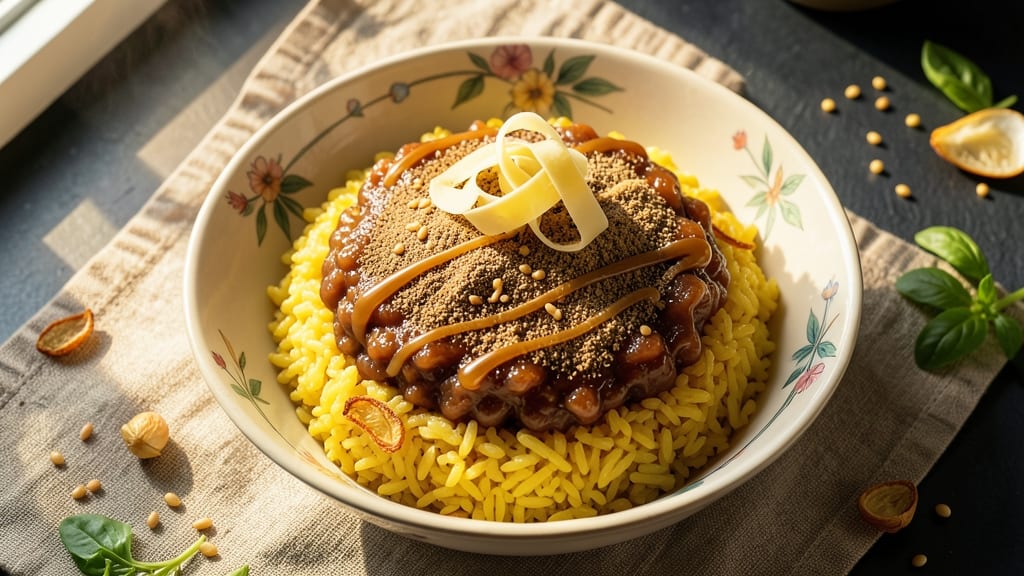
This Chinese steamed sticky rice recipe delivers the same fragrant jasmine aroma and tender texture you'd find in traditional Asian bakeries—perfect for breakfast, desserts, or festive occasions. The secret lies in using glutinous rice soaked overnight and steamed just until tender, creating that signature chewy yet melt-in-your-mouth consistency.
I developed this version after testing countless methods, ensuring it works whether you're making sweet red bean cakes or savory pork-filled parcels.
The beauty of this dish is its versatility—sweet or savory, vegetarian or hearty, it adapts to any preference.
Traditional recipes rely on steaming time and texture checks (a gentle press should yield resistance, not mush), but modern variations let you customize with fillings like lotus paste, egg yolks, or even savory pork. The key is patience: letting the rice soak absorbs moisture evenly, preventing dryness while steaming.
What you'll achieve is fragrant, golden-hued sticky rice with a delicate floral note from jasmine, paired with the perfect filling-to-rice ratio. The texture should be slightly resistant when pressed but give way with gentle pressure—this is the hallmark of authentic nian gao.
Whether served as a dessert, breakfast staple, or festive treat, it's a dish that feels both comforting and special.
For dietary flexibility, this recipe is naturally vegetarian but easily upgraded with proteins like pork or shrimp. Plating tips include dusting with kinako (roasted soybean flour) or drizzling honey for sweet versions, or sprinkling scallions and chili oil for savory.
Let's create this timeless classic that's as rewarding to make as it is to eat.
Ingredients for chinese steamed sticky rice
Sweet rice, floral aroma, and tender texture—just 13 ingredients for authentic Chinese sticky rice.
| Ingredient | Amount | Notes |
|---|---|---|
| Glutinous Rice (Sweet Rice) 🍚 | 2 cups | Uncooked, short-grain preferred |
| Jasmine Rice 🌾 | 1 cup | For floral aroma, optional |
| Water 💧 | 3 cups | Room temperature preferred |
| Kinako (Roasted Soybean Flour) 🌱 | ¼ cup | For dusting, optional |
| Honey 🍯 | 2 tbsp | For sweet versions |
| Sesame Oil 🫒 | 1 tbsp | For aroma, optional |
| Lotus Paste 🌸 | 1 cup | For sweet filling, optional |
| Red Bean Paste 🌱 | 1 cup | For classic filling |
| Scallions 🧅 | 3 whole | Sliced thin for garnish |
| Chili Oil 🌶️ | 1 tbsp | For savory versions |
| Salt 🧂 | ½ tsp | Fine sea salt |
| Vegetable Oil 🫒 | 1 tbsp | For greasing steamer |
| Parchment Paper 📄 | 1 sheet | For shaping rice |
The glutinous rice is the star here—short-grain varieties like Thai fragrant rice work best for that signature chewy bite. Asian grocery stores carry it in bulk, but if you're at a mainstream supermarket, look for 'sweet rice' or 'mochigome'. The jasmine rice adds that delicate floral note, but if you're short on time, just use extra glutinous rice. Soak the rice overnight in 3 cups water—this is non-negotiable for even texture. If you're in a rush, a minimum 4-hour soak works, but patience pays off with better results. For the fillings, Trader Joe's has great pre-made red bean paste, and lotus paste can be found in the Asian section of larger grocery stores.
No kinako? Toasted soybean flour from bulk bins works just as well. Short on honey? Maple syrup or agave at a 1:1 ratio keeps it vegan-friendly. The sesame oil is purely for aroma—skip it if you're sensitive to strong flavors, but trust me, it elevates everything. For savory versions, swap the sweet fillings for shredded tofu or mushrooms mixed with soy sauce and scallions. The parchment paper is key—it prevents sticking and helps shape the rice into neat parcels. If you don't have it, lightly grease your hands with oil instead. The scallions should be thinly sliced—about 2 inches long—for that classic garnish.
Soaked rice keeps in the fridge for 2 days if covered tightly, but it's best used fresh. The fillings? Red bean paste lasts months unopened, while lotus paste should be refrigerated after opening. For steaming, line your bamboo steamer with parchment paper cut to fit—grease it lightly with oil so nothing sticks. Leftovers? They reheat beautifully—just steam for another 10-15 minutes covered. Store them in an airtight container for up to 3 days or freeze for 1 month for those lazy mornings.
Why You'll Love This Recipe
- Steam-and-Go Magic: I swear by this recipe because it’s basically hands-off after the initial prep. Soak the glutinous rice overnight (or even a few hours), then layer it with jasmine rice and steam—no stirring, no flipping, just pure set-it-and-forget-it. My lazy Sundays now include this without a single pan to scrub.
- Nutty-Sweet Perfection: That dusting of kinako and drizzle of honey? It’s the winning combo that turns simple rice into something irresistible. The earthy nuttiness of kinako balances the stickiness of the glutinous rice, while honey adds just enough sweetness to make every bite feel like a little treat—no sugar crash here.
- Picnic to Potluck: This recipe travels like a dream. Pack it in a bento box for lunch, bring it to a friend’s BBQ, or serve it at your next gathering—it’s equally at home on a bamboo steamer or a lunchbox. Honestly, I’ve had it cold, warm, and even as a dessert base with fruit, and it never disappoints.
- Budget-Friendly Staple: Glutinous rice and jasmine rice are pantry staples that won’t break the bank, and kinako lasts for months. A single batch feeds four, and leftovers reheat beautifully—just a splash of water and a quick steam. I’ll be real: this is the kind of recipe that makes me feel like I’m feeding a crowd without stressing my wallet.
Step-by-step instructions for Chinese steamed sticky rice
Here's how to create perfectly fragrant, tender sticky rice with your choice of sweet or savory fillings.
Prepare the Rice Mixture
In a large mixing bowl, combine the 2 cups Glutinous Rice (Sweet Rice) and 1 cup Jasmine Rice. Add the 3 cups Water and 0.5 tsp Salt, then gently stir until all rice grains are fully saturated—you should see the liquid absorbed within 5 minutes. The rice should look plump and translucent, not dry or clumpy.
For sweet versions, fold in the 1 cup Lotus Paste and 1 cup Red Bean Paste, mixing until evenly distributed. For savory versions, reserve these fillings for later. If using, lightly dust the mixture with the 0.25 cup Kinako (Roasted Soybean Flour)—this adds a nutty aroma and helps with shaping. Cover the bowl and let it rest for 15 minutes to allow the rice to hydrate fully.
Shape the Rice Cakes
Lightly grease a clean surface with 1 tbsp Vegetable Oil and place the 1 sheet Parchment Paper on top. Divide the rice mixture into 4 equal portions (about 1 cup each). Working with one portion at a time, press firmly into a 4-inch round using your hands or a small bowl as a guide. The edges should be slightly thicker than the center—this prevents cracking during steaming.
For extra flavor, brush the top of each shaped rice cake with 1 tbsp Sesame Oil or lightly drizzle with 2 tbsp Honey for sweet versions. Arrange the shaped cakes on the parchment paper, leaving 1 inch between each. Cover loosely with plastic wrap and let them rest for 10 minutes to firm up slightly—this makes them easier to handle when transferring to the steamer.
Steam to Perfection
Set up a steamer basket over a pot of boiling water, ensuring the water doesn't touch the bottom of the basket. Place the parchment paper with rice cakes directly into the steamer basket. Cover with a clean kitchen towel to prevent condensation from dripping onto the rice. Steam over medium-high heat for 25-30 minutes until the rice is tender and the cakes release easily from the parchment.
Here's the key: the rice is done when the center feels slightly springy but yields to gentle pressure. If using a skewer, it should slide in easily with just a little resistance. Avoid oversteaming—this can make the rice gummy. For extra aroma, add 3 whole Scallions (cut into 1-inch pieces) to the steamer water during the last 5 minutes of cooking.
Finish and Serve
Remove the steamed rice cakes from the parchment paper and let them cool for 5 minutes on a wire rack. For sweet versions, drizzle with 2 tbsp Honey and a light coating of 1 tbsp Chili Oil (if desired). For savory versions, brush with 1 tbsp Chili Oil and garnish with thinly sliced Scallions. Serve immediately while still warm and fragrant.
The rice should be glossy, tender, and slightly sticky with a delicate floral aroma from the jasmine. If the cakes hold their shape but feel slightly firm, steam for an additional 2-3 minutes—they'll soften as they cool. Pair with grilled meats, fresh fruit, or a simple soy dipping sauce for a complete meal.
Pro Tips For Making Chinese Steamed Sticky Rice
- SOAK GLUTINOUS RICE 4-6 HOURS: I learned this the hard way—rushing the soak leaves you with a gummy, uneven texture. Use 2 cups water per 1 cup rice, cover, and let it sit at room temperature (not fridge) until the grains split slightly when pressed. The longer it soaks, the more tender and sticky the final result.
- STEAM JUST UNTIL CHEWY: This isn’t about hard or soft—it’s about al dente. Start with 20 minutes of steaming, then check: the rice should hold its shape when poked but yield slightly. Oversteaming turns it mushy, especially with glutinous rice. If unsure, err on the side of less—you can always steam longer.
- TOAST KINAKO IN A DRY PAN: Skip the pre-mixed packets—freshly toasted kinako makes all the difference. Heat 1 tablespoon in a dry pan over medium-low for 2-3 minutes, stirring constantly, until it smells nutty and deepens in color. Let it cool before mixing; this prevents a bitter aftertaste and intensifies the flavor.
- MIX HONEY LAST, NOT FIRST: Adding honey too early turns your rice gluey. After steaming, let the rice sit covered for 5 minutes to redistribute moisture, then fold in 1-2 tablespoons honey with the kinako. The residual heat helps it blend smoothly without clumping—yes, even if you’re impatient like me.
Make-ahead tips for this recipe
Prep Ahead Strategy
Start by soaking the glutinous rice overnight in 3 cups water—this is the most time-consuming step, but it ensures even texture. Store the soaked rice in an airtight container in the fridge for up to 2 days.
The longer it soaks, the better the texture, but a 4-hour minimum works in a pinch. I like to prep the filling (like red bean paste or lotus paste) the night before too—just store it in a small container and mix it in fresh when ready to shape. 📅
Filling Prep Tips
For sweet versions, mix the 1 cup red bean paste and 1 cup lotus paste with the rice right before shaping—this keeps the fillings from drying out.
If using savory fillings like shredded tofu or mushrooms, sauté them first with 1 tbsp soy sauce and 1 tbsp sesame oil, then cool completely before mixing. Store prepped fillings in the fridge for up to 3 days in airtight containers. 🌱
Steaming Setup
Set up your steamer the night before if possible—fill the pot with water and let it cool. Grease the parchment paper with 1 tbsp vegetable oil and store it in the fridge until ready to use.
This way, you can shape the rice cakes and steam them straight from the fridge in the morning. I also like to prep the scallions and chili oil ahead of time so they’re ready for garnishing. 🔥
Freezing for Later
Steamed rice cakes freeze beautifully for up to 1 month. Let them cool completely, wrap tightly in plastic wrap, then place in a freezer bag. To reheat, steam for 10-15 minutes covered until warmed through.
The texture stays chewy, though they’ll be slightly firmer than fresh—just steam a little longer if needed. This is perfect for lazy mornings or festive gatherings. ❄️
Make-Ahead Serving Ideas
For breakfast, steam a batch the night before and store them in the fridge. In the morning, reheat for 5 minutes and serve with honey or chili oil. For dessert, shape smaller cakes with lotus paste and freeze them—reheat in the microwave for 20 seconds for a quick treat.
I also love making savory versions ahead for potlucks—they reheat like a dream. 💫
Nutrition facts
Frequently asked questions
Why does my Chinese steamed sticky rice turn out gummy instead of chewy?
The most common cause is oversteaming—once the rice releases easily from the parchment, it's done! Check doneness by pressing gently: it should feel slightly springy but yield. If you're using a bamboo steamer, ensure the water doesn't touch the bottom (add a rack if needed). For extra control, steam for 25 minutes first, then check—most recipes need just 2-3 minutes more.
Can I make this without a bamboo steamer?
Use a metal steamer basket over a pot of boiling water, or even a colander with holes in the bottom. Line it with parchment paper (greased lightly) to prevent sticking. The key is maintaining steady heat—keep the water simmering gently (not boiling vigorously) to avoid uneven cooking. For electric steamers, follow the manufacturer's time guidelines but check for doneness early.
What's the difference between sweet and savory versions?
The base recipe is identical—it's all about the fillings! Sweet versions use red bean paste or lotus paste, while savory versions incorporate ingredients like shredded pork, mushrooms, or tofu mixed with soy sauce. For the latter, replace the sweet fillings with 1 cup cooked protein and 1 tbsp sesame oil for depth. Garnish with scallions and chili oil instead of honey.
How do I fix rice that's too dry or crumbly?
This usually happens from insufficient soaking or oversteaming. To salvage it, lightly spray the crumbly rice with 1 tsp water and steam for another 5 minutes covered. For future batches, ensure the rice soaks for at least 4 hours (overnight is ideal) and steam until just tender—don't wait until the water evaporates completely. The rice should feel moist but not wet when pressed.
Can I use regular rice instead of glutinous rice?
Regular rice won't work—the glutinous variety is essential for that signature chewy texture. It has a different starch structure that absorbs moisture without becoming mushy. If you're desperate, you could try a mix of 70% glutinous rice and 30% jasmine rice, but the texture won't be as authentic. For best results, stick with 100% glutinous rice (also called sweet rice or mochigome).