
Main Courses
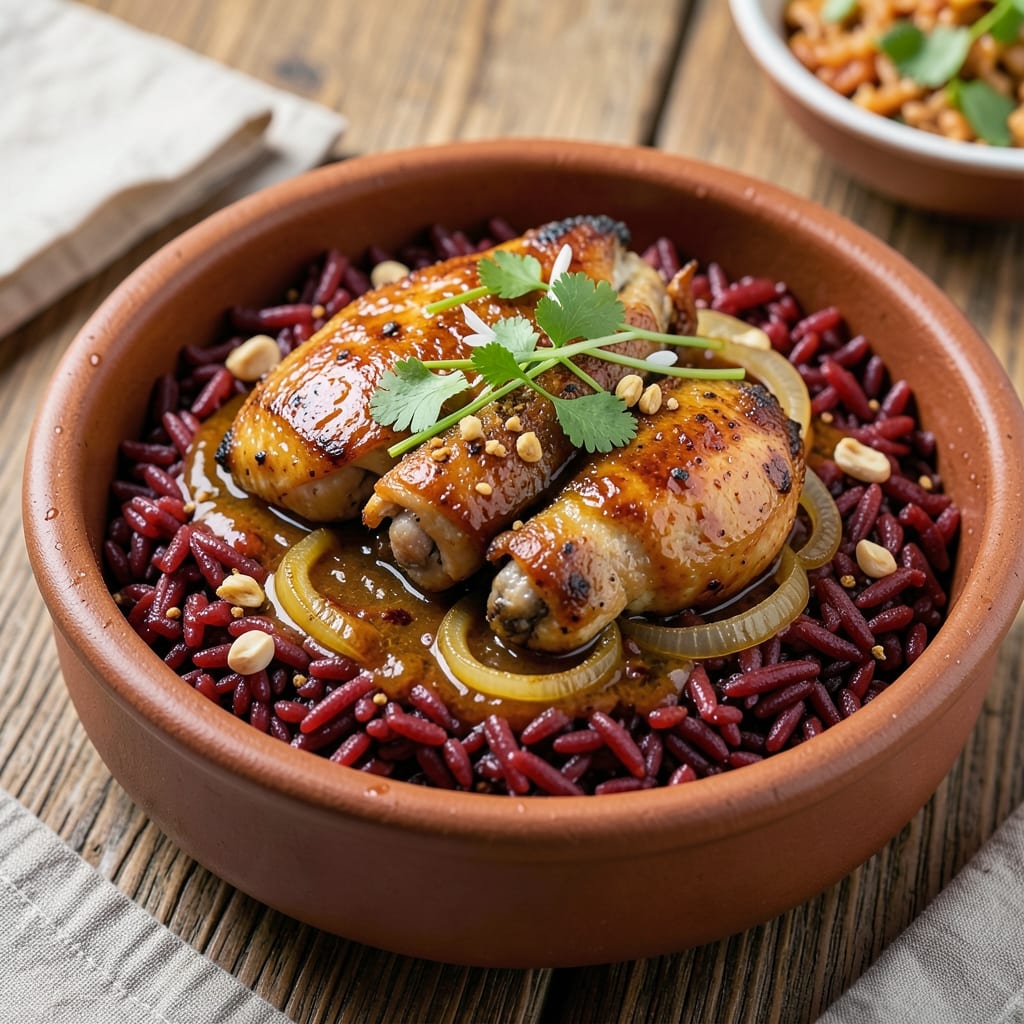
This African red rice recipe transforms humble ingredients into a vibrant, fragrant dish that carries the soul of West African kitchens. The secret lies in the tomato-tamarind base, where sweet, tangy, and smoky flavors meld into a rich sauce that coats every grain of rice. I developed this one-pot method after years of adapting traditional recipes—it’s the perfect balance of authenticity and simplicity, delivering restaurant-quality results without the fuss.
The dish begins with toasted spices—cumin, thyme, and bay leaves—that infuse the oil with deep, earthy warmth before the rice even hits the pot. Chicken or fish (or both) simmers in the aromatic sauce, absorbing flavors while the rice cooks to perfectly tender, slightly sticky grains. The tamarind adds a bright, citrusy depth that cuts through the richness, while tomatoes provide a velvety texture that clings to every bite.
What makes this recipe truly special is its versatility—it’s hearty enough for a family dinner but elegant enough for a special occasion. The colors alone are a feast: deep reds from the tomatoes, golden grains of rice, and the occasional flash of green from fresh herbs. It’s the kind of dish that feels like a hug in a bowl, packed with layers of flavor that evolve with each spoonful.
Whether you’re serving it with grilled plantains or a simple side salad, this tomato-tamarind red rice is a celebration of African culinary tradition. Ready in about 45 minutes, it’s the perfect way to bring a taste of home to your table—no shortcuts, just pure, unapologetic flavor. Let’s get cooking!
Ingredients for african red rice
Toasted spices, vibrant tomatoes, and tamarind create this West African-inspired one-pot masterpiece.
| Ingredient | Amount | Notes |
|---|---|---|
| Long-Grain White Rice 🍚 | 1 ½ cups | Uncooked, rinsed thoroughly |
| Chicken Thighs 🍗 | 1 ½ lb | Bone-in, skin-on preferred |
| Canned Tomato Sauce 🍅 | 1 cup | San Marzano preferred, no salt added |
| Tamarind Paste 🍋 | ½ cup | Unsweetened, or substitute lime juice |
| Yellow Onion 🧅 | 1 whole | Medium size, finely diced |
| Garlic Cloves 🧄 | 6 cloves | Fresh, minced finely |
| Ground Cumin 🌿 | 1 ½ tsp | Toasted for deeper aroma |
| Dried Thyme 🌿 | 1 tsp | Or 1 tbsp fresh thyme |
| Bay Leaves 🍃 | 2 whole | Fresh preferred, or dried |
| Extra-Virgin Olive Oil 🫒 | ½ cup | For toasting spices |
| Fresh Cilantro 🌿 | ¼ cup | Chopped, for garnish |
| Salt 🧂 | 1 ½ tsp | Diamond Crystal preferred |
| Black Peppercorns 🌶️ | ½ tsp | Freshly cracked |
| Vegetable or Chicken Stock 💧 | 2 cups | Low-sodium preferred |
| Lemon Juice 🍋 | 1 tbsp | Freshly squeezed |
The tamarind is non-negotiable for that signature tang—look for unsweetened paste at Indian or African markets, or use lime juice in a pinch. San Marzano tomatoes from Whole Foods or specialty stores elevate the dish with their natural sweetness. Chicken thighs stay juicier than breasts, but boneless works if you're short on time. For the spices, toast the cumin and thyme in olive oil for 30 seconds before adding other ingredients—this unlocks their full aroma. Fresh bay leaves add depth, but dried are fine if you're in a hurry. The rice should be long-grain and uncooked, not pre-cooked or instant.
No tamarind? Lime juice plus a pinch of sugar mimics the bright acidity, though it won't be identical. Substitute fish for chicken—tilapia or cod work beautifully, but avoid strong-flavored fish. For a vegetarian version, swap protein for chickpeas or tofu, but increase the stock to 3 cups to prevent drying. The tomato sauce can be homemade (blend canned tomatoes with garlic and thyme) or store-bought—just check for no added salt. If you can't find San Marzano, Muir Glen is a solid backup. The cilantro is purely for garnish, but if you hate it, parsley works just as well.
This dish tastes even better the next day as flavors meld—portion into containers for easy lunches. Keeps in the fridge for 4-5 days, or freeze for up to 3 months (sauce may thicken slightly upon thawing; add a splash of water). For reheating, cover with a damp paper towel and warm on low heat to preserve moisture. The rice-to-liquid ratio is critical—never stir while cooking to avoid mushiness. If the sauce seems too thin, simmer uncovered for 5 minutes to reduce.
Why You'll Love This Recipe
- One-Pot Magic: I swear by this—just brown the chicken, toss in the onions, dump the rice and tomato sauce, then let the tamarind paste do its thing. No separate pots, no extra bowls, and honestly? That’s my kind of cooking.
- Tamarind Tang Kick: That little jar of tamarind paste transforms everything. It’s not sweet, not sour—it’s this perfect funky balance that makes the rice taste like a restaurant dish. (Yes, even on a Tuesday night.)
- Weeknight to Party: Same recipe, different vibes. Serve it with grilled chicken for a quick family dinner, or add a fried egg on top for a brunch crowd-pleaser. My roommates never know what’s coming—until they take the first bite.
- Budget Feast: Chicken thighs stay juicy, rice stretches forever, and canned tomato sauce? Always on sale. I made this for six people last month, and we still had leftovers for lunch—no waste, all flavor. My wallet thanks me.
Step-by-step instructions for tomato-tamarind African red rice
This one-pot method delivers vibrant red rice with deep tomato-tamarind complexity and tender chicken.
Sear the Chicken Thighs for Maximum Flavor
Pat the 1.5 lb chicken thighs completely dry with paper towels. Heat 0.25 cup extra-virgin olive oil in a heavy-bottomed pot over medium-high heat until shimmering. Working in batches if needed, add the chicken thighs skin-side down and sear for 4-5 minutes until the skin is golden brown and crispy.
Flip the thighs and sear the other side for 3-4 minutes until golden. Remove the chicken from the pot and set aside, leaving the rendered fat in the pot. This step creates the foundational flavor that infuses into the rice throughout cooking. If the fat exceeds 1 tablespoon, carefully pour off the excess to maintain proper oil balance for the rice.
Build the Tomato-Tamarind Base
In the same pot, reduce heat to medium and add the 1 whole yellow onion and 6 cloves garlic cloves. Sauté for 3-4 minutes until the onions soften and become translucent, stirring occasionally. Add 1.5 tsp ground cumin and 1 tsp dried thyme, stirring for 30 seconds until fragrant.
Pour in the 1 cup canned tomato sauce and 0.5 cup tamarind paste, stirring to combine. Add the 2 whole bay leaves, 1.5 tsp salt, and 0.5 tsp black peppercorns, then bring to a gentle simmer. Let it cook uncovered for 5-6 minutes until the mixture thickens slightly and the raw tomato flavor mellows into a rich, tangy base. This reduction step is crucial for developing the sauce's depth.
Toast the Rice and Infuse Flavors
Add the 1.5 cups long-grain white rice to the pot and stir to coat each grain with the tomato-tamarind mixture. Increase heat to medium-high and toast the rice for 2-3 minutes, stirring constantly, until the grains become slightly translucent at the edges. This toasting step prevents mushy rice and enhances the nutty flavors.
Pour in the 2 cups vegetable or chicken stock, stirring gently to distribute evenly. Bring to a boil, then immediately reduce heat to low, cover the pot with a tight-fitting lid, and let it simmer for 15 minutes. Avoid lifting the lid during this time—steam is essential for proper rice texture. The rice should absorb most of the liquid, leaving just a thin layer of liquid on top.
Braise the Chicken and Finish the Rice
Return the chicken thighs to the pot, skin-side up, and spoon the tomato-tamarind rice mixture over them. Cover and simmer on low heat for 20-25 minutes, until the chicken reaches an internal temperature of 165°F and the rice is tender but still has a slight bite. The chicken will finish cooking in the residual heat of the rice.
Once the chicken is fully cooked, remove it from the pot and let it rest on a cutting board for 5 minutes. The rice should now be tender with a vibrant red hue from the tomato-tamarind base. If the rice appears dry, add 2-3 tablespoons of water or stock and let it sit covered for another 2 minutes to steam.
Finish and Garnish for Restaurant-Quality Presentation
Discard the 2 whole bay leaves and stir the 1 tbsp lemon juice into the rice, along with the 0.25 cup chopped fresh cilantro. Taste and adjust seasoning if needed—this is where you can balance the tangy-sweet tomato-tamarind flavor with a bright finish. The lemon juice brightens the dish and cuts through the richness of the chicken fat.
Slice the chicken thighs against the grain into ½-inch thick portions and arrange them over the rice. Garnish with additional cilantro if desired. Serve immediately while the chicken is still juicy and the rice maintains its perfect texture. The dish should deliver a harmonious blend of smoky cumin, tangy tamarind, and sweet tomato with tender chicken and fluffy rice.
Pro Tips For Making African Red Rice
- Brown the Chicken First: Skip the raw chicken in sauce—sear the thighs skin-side down in a dry pot until golden and crispy. I learned this the hard way: uncooked chicken in the tomato base makes the rice turn mushy from the steam instead of caramelizing properly. ---
- Rinse Rice Twice: Don’t trust the package’s "minimal rinsing" claim. Swirl the long-grain rice in cold water twice, then drain. This removes excess starch, so your rice stays separate and doesn’t clump into a gluey mass when simmering in the tamarind-tomato broth. ---
- Simmer Tamarind Low: After adding tomato sauce and tamarind paste, reduce heat to a gentle simmer—no boiling. I used to rush this, and the tamarind’s tang would cook off, leaving the rice tasting bland instead of bright and tangy. Think "barely bubbling," not "rolling boil." ---
- Toast the Onions: Sauté the onions in oil until they’re deep golden, not just translucent. This adds a nutty depth that cuts through the richness of the chicken fat. (Yes, even if you’re impatient like me—wait for the edges to crisp.)
Regional styles of african red rice
West African Tomato Rice
This vibrant version hails from Ghana and Nigeria, where it’s called "tomato rice" or "red rice." The key difference is the blend of fresh tomatoes and tamarind, creating a balanced sweet-tangy sauce. I love adding scotch bonnet peppers for heat—just ½ tsp for a subtle kick or 1 tsp if you want it fiery. 🌶️ The dish is traditionally served with fried plantains or grilled fish, but chicken works perfectly too.
Caribbean-Inspired Red Rice
In Caribbean cuisines like Jamaican and Trinidadian, this dish often includes kidney beans for extra protein. Swap ½ cup cooked kidney beans for the chicken thighs, and add 1 tsp allspice to the spice mix for that signature Caribbean warmth. The tamarind can be replaced with 1 tbsp lime juice + 1 tsp sugar if unavailable. Serve with jerk-spiced chicken or curried goat for a full island feast.
Senegalese Thieboudienne Style
For a Senegalese-inspired twist, use fish stock instead of chicken stock and add 1 diced carrot and 1 diced potato to the pot with the rice. The dish, called "thieboudienne," traditionally includes whole fish (like sea bass) cooked in the rice. After the rice finishes, place the fish on top and cover for 5 minutes to steam. Garnish with fresh parsley instead of cilantro for an authentic touch.
Modern Fusion Adaptation
Want to elevate this for a contemporary crowd? Try adding 1 cup diced butternut squash with the onions and ½ cup coconut milk at the end for creaminess. A sprinkle of toasted pumpkin seeds on top adds crunch and visual appeal. This fusion keeps the African roots while introducing modern textures—perfect for brunch or dinner parties. 💫
Ethiopian Berbere Spice Twist
For an Ethiopian-inspired version, replace the cumin and thyme with 1 tsp berbere spice (a blend of chili, fenugreek, and cardamom). Add 1 tbsp tomato paste to deepen the color and ½ cup chopped green bell peppers for freshness. Serve with injera (Ethiopian flatbread) or shiro (chickpea stew) for a full cultural experience.
Vegetarian Red Rice Bowl
Skip the chicken entirely and use 1 cup chickpeas or tofu for protein. Boost the veggies with 1 cup diced zucchini and ½ cup corn kernels, added with the rice. For extra umami, stir in 1 tbsp soy sauce at the end. This version is packed with plant-based protein and works as a meal-prep powerhouse—store in airtight containers for up to 5 days. 🌱
Nutrition facts
Frequently asked questions
Why does African red rice have a vibrant red color?
The rich red hue comes from the combination of tomato sauce and tamarind paste, which create a deep, tangy base. The tamarind adds natural acidity that enhances the color while balancing the sweetness of the tomatoes. Toasting the spices first also deepens the color naturally—no artificial dyes needed!
Can I make this recipe without tamarind?
For a similar tangy brightness, use 1 tbsp lime juice + 1 tsp sugar as a substitute. If you prefer a deeper flavor, blend ½ cup unsweetened cranberry sauce with 1 tbsp lime juice for a close approximation. The key is balancing the acidity to complement the tomatoes.
How do I prevent the rice from becoming mushy?
Never stir the rice after adding the stock—just give it a gentle shake to distribute. Use long-grain white rice and toast it for 2-3 minutes in the oil before adding liquid. Also, avoid lifting the lid during the 15-minute simmer—steam is your friend! If it's still too moist, uncover for 2 minutes to evaporate excess.
What's the best way to reheat leftovers?
Cover the rice with a damp paper towel and reheat on low heat with a splash of water or stock. For best results, warm in the microwave for 1-2 minutes (stirring halfway) or on the stovetop for 3-4 minutes. Avoid high heat to prevent drying out. Leftovers keep for 4-5 days in the fridge or 3 months frozen.
Can I use brown rice instead of white?
Yes, but adjust the cooking time! Brown rice needs 20-25 minutes longer and ½ cup extra liquid. Toast it for 3-4 minutes first to enhance nuttiness. The texture will be chewier, but the flavor remains rich. For a quicker option, use jasmine rice—it cooks faster than brown but still offers an aromatic twist.