
Main Courses
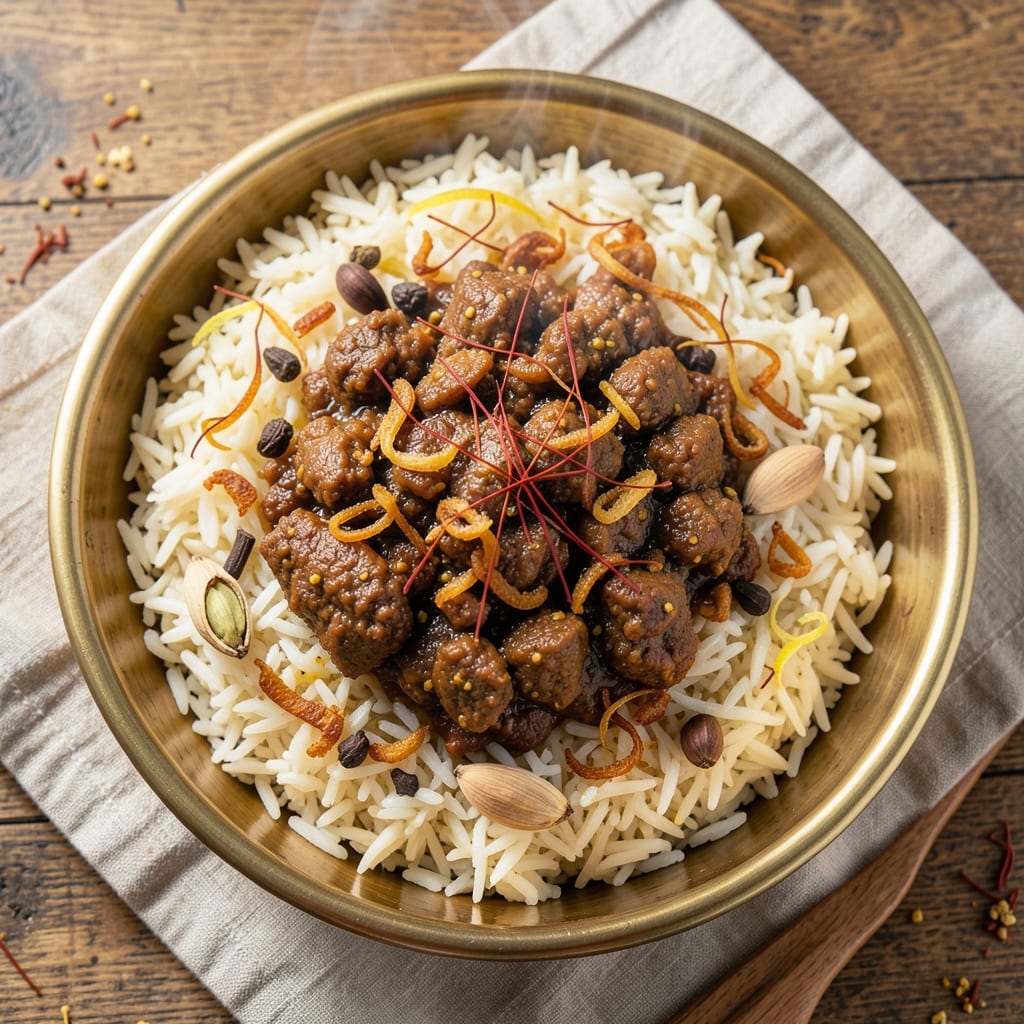
The Arabic Mandi rice recipe transforms simple grains into a fragrant, layered masterpiece—where saffron-infused rice cradles tender meat in a steamed, spice-kissed embrace. This dish isn’t just food; it’s a tradition, a centerpiece for celebrations and family gatherings across the Arabian Peninsula. The secret lies in the toasted spice layers—baharat, cardamom, and cloves—that infuse every bite with warmth and depth.
What sets this recipe apart is the technique: rice and meat are layered in a pot, then steamed to perfection, creating a dish that’s both hearty and delicate. The rice absorbs the aromatic spices while staying fluffy, and the meat—whether lamb or chicken—becomes melt-in-your-mouth tender. This isn’t just a meal; it’s an experience that brings the flavors of the Gulf straight to your table.
From the golden, saffron-tinged rice to the rich, spiced meat, every element comes together in harmony. The dish is often served with cooling yogurt sauce or tangy pickles, balancing the richness. Whether you’re cooking for a special occasion or a weeknight dinner, this recipe delivers restaurant-quality results with minimal fuss.
The beauty of Mandi rice lies in its versatility—adjust the spice blend for regional preferences, like the milder Saudi style or the bold Emirati touch. With just a few key ingredients and patience, you’ll create a dish that’s as impressive as it is delicious. Let’s get started on this aromatic journey.
Ingredients for arabic mandi rice
Transform simple ingredients into a fragrant, restaurant-quality Mandi rice experience with saffron and toasted spices.
| Ingredient | Amount | Notes |
|---|---|---|
| Long-Grain Basmati Rice 🍚 | 2 cups | Uncooked, rinsed thoroughly |
| Ground Lamb 🐑 | 1 ½ lb | Lean, cut into small pieces |
| Saffron Threads 🌼 | ¼ tsp | High-quality, soaked in 2 tbsp warm water |
| Baharat Spice Blend 🌶️ | 2 tbsp | Homemade or store-bought (see notes) |
| Ground Cardamom 🌿 | 1 tsp | Freshly ground preferred |
| Whole Cloves 🌶️ | 6 whole | Lightly crushed |
| Fresh Ginger 🧄 | 2 tbsp | Finely grated, aromatic |
| Yellow Onion 🧅 | 1 whole | Medium, thinly sliced |
| Garlic Cloves 🧄 | 6 cloves | Peeled, minced |
| Unsalted Butter 🧈 | 4 tbsp | Cold, cubed |
| Vegetable Oil 🫒 | ¼ cup | For layering |
| Chicken or Vegetable Stock 💧 | 2 ½ cups | Hot, homemade preferred |
| Salt 🧂 | 1 ½ tsp | Diamond Crystal preferred |
| Black Peppercorns 🌶️ | ½ tsp | Freshly cracked |
The baharat spice blend is the heart of this dish—look for Penzeys or Whole Foods for authentic Middle Eastern versions. If making your own, combine 1 tbsp cumin, 1 tbsp coriander, 1 tsp cinnamon, 1 tsp black pepper, and 1 tsp allspice. Freshly ground spices make all the difference. Saffron should be Kashmiri or Iranian—the deeper the color, the better. Ginger and garlic need to be freshly grated and minced, respectively; pre-minced garlic lacks the aromatic punch. For the lamb, Middle Eastern markets often carry pre-cut, marinated options that save time. If using chicken, opt for bone-in thighs for richer flavor.
No baharat? Mix 1 tbsp cumin, 1 tbsp paprika, 1 tsp cinnamon, and 1 tsp black pepper for a close substitute. Vegetarian option? Replace lamb with extra-firm tofu or chickpeas—simmer them first in the spice blend. Stock shortage? Use water with 1 tsp bouillon powder (ensure it's vegetarian if needed). Butter substitute? Ghee or coconut oil works equally well for layering. The onion and garlic can be caramelized first for deeper flavor—20 minutes on low heat with a splash of oil. Pre-grated ginger? Use half the amount, but fresh is non-negotiable for authentic taste.
This dish is all about layering and patience—prep the spice mix and ginger ahead. Saffron-infused water can be made 24 hours early and stored in the fridge. Rice and meat should be assembled in the pot the night before, then steamed in the morning for optimal tenderness. Keeps 3-4 days in the fridge, but flavors deepen overnight. For meal prep, portion into individual servings—the rice stays fluffy when reheated gently with a splash of water. Freezes beautifully for up to 3 months if wrapped tightly in foil.
Why You'll Love This Recipe
- One-Pot Magic: I swear by this for lazy nights—just brown the lamb, toast the spices, dump in rice and broth, then let it steam. No pots to wash, no stress to measure. That saffron? Steep it in warm water while you cook. Chef’s kiss.
- Saffron Luxury: A pinch of saffron threads turns this into something fancy without the fuss. It’s not just flavor—it’s that golden hue and aroma that makes it feel like a restaurant dish. Honestly, I’d skip the lamb before I skip the saffron.
- Weeknight to Feast: Same recipe works for a quick weeknight dinner or a show-stopping spread. Double the lamb for guests, halve it for leftovers. The baharat and cardamom give it depth, so it never tastes boring—even reheated.
- Budget-Friendly Feast: Ground lamb stretches further than you’d think, and basmati rice fills bowls generously. I make this twice a month, and the leftovers reheat like a dream. Plus, baharat is cheap and transforms simple ingredients into something special.
Step-by-step instructions for Arabic Mandi rice
Master the layered technique that creates Mandi's signature toasted spice crust and fragrant saffron rice.
Prepare the Spiced Lamb Layer
In a large skillet, heat the 0.25 cup vegetable oil over medium-high heat until shimmering. Add the 1 whole yellow onion and cook for 5-6 minutes until softened and lightly golden. Add the 6 cloves garlic cloves and 2 tbsp fresh ginger, cooking for 1 minute until fragrant.
Push the aromatics to one side and add the 1.5 lb ground lamb in batches. Cook until no longer pink, breaking it apart with a wooden spoon. Stir in the 2 tbsp baharat spice blend, 1 tsp ground cardamom, 6 whole whole cloves, 1.5 tsp salt, and 0.5 tsp black peppercorns, cooking for 2 more minutes until the spices bloom. Remove from heat and set aside.
Create the Saffron-Infused Rice Layer
In a separate bowl, combine the 2 cups long-grain basmati rice with the 2.5 cups hot chicken or vegetable stock. Let it soak for 15 minutes while you prepare the saffron. In a small cup, steep the 0.25 tsp saffron threads in 2 tbsp warm water for 10 minutes until the liquid turns vibrant yellow.
Drain the rice, discarding the stock, and return it to the bowl. Stir in the saffron infusion until the rice is evenly coated with the golden hue. This step ensures every grain absorbs the saffron's floral aroma.
Assemble the Mandi Layers
Preheat your oven to 375°F. In a heavy oven-safe skillet or Dutch oven, melt the 4 tbsp unsalted butter over medium heat until foaming. Spread half of the spiced lamb mixture evenly across the bottom of the pan, creating a thin layer. Top with half of the saffron rice, pressing down gently to compact it.
Repeat with the remaining lamb and rice, creating an even second layer. The goal is to create a sealed, layered effect that traps steam during cooking. This technique prevents the rice from drying out and develops the signature toasted crust.
Cook to Perfection
Cover the skillet tightly with a lid or foil and transfer to the preheated oven. Bake for 35-40 minutes until the rice is tender and the top layer is golden brown. The key is patience—don't peek during cooking as this releases steam and prevents proper layering.
Once done, let the Mandi rest for 10 minutes before serving. The residual heat will finish cooking the rice perfectly. Use a metal spatula to carefully lift the entire layer from the pan, keeping the structure intact for dramatic presentation.
Pro Tips For Making Arabic Mandi Rice
- TOAST THE RICE FIRST: I learned this the hard way—skipping the dry toast in hot oil makes your basmati turn mushy instead of fluffy. Spread the rice in a single layer and cook over medium heat for 3-4 minutes, stirring constantly, until it smells nutty and the edges turn translucent. (Yes, even if you're impatient like me.)
- SOAK SAFFRON IN WARM WATER: Don’t just toss saffron threads into the pot and hope for the best. Crush them lightly with your fingers, then steep in 2 tablespoons of warm water for 10 minutes before adding to the rice. This extracts the color and aroma fully—otherwise, you’ll end up with a pale, flavorless dish. (Your future self will notice the difference.)
- LOW AND SLOW FOR LAMB: After browning the ground lamb, resist the urge to crank the heat high to speed things up. Simmer it on low with the baharat and cardamom for at least 15 minutes, stirring occasionally, until the spices meld and the meat develops depth. Rushing this step leaves the lamb bland and the spices harsh. (Sounds weird, but it works.)
- USE A TIGHT LID, NO PEEKING: Once the rice is layered and liquid is added, cover the pot with a tight lid and walk away. Peeking or lifting it too soon lets steam escape, ruining the texture. Let it cook undisturbed for 15 minutes before checking—this is the thing that matters most for that signature mandi rice crust at the bottom. (Your grandmother was right about this one.)
Flavor customization for this dish
Spice Blend Variations
For a milder Saudi-style Mandi, reduce the baharat by 1 tbsp and add ½ tsp ground nutmeg—this version is lighter but still aromatic. For bold Emirati flavors, increase baharat to 3 tbsp and add 1 tsp ground cinnamon for warmth. I've found that Yemeni-style Mandi often includes 1 tbsp harissa paste mixed into the lamb layer for a fiery kick. 🌶️
Saffron Alternatives
If saffron is unavailable, try turmeric (use ½ tsp for color) or safflower (steep 1 tsp in warm water for 10 minutes). For a budget-friendly twist, add 1 tbsp orange blossom water to the rice—it mimics saffron's floral notes. I once used annatto powder (⅛ tsp) for a golden hue, though the flavor is subtly different. 🌼
Meat Substitutes
For chicken Mandi, use 2 bone-in thighs instead of lamb—cut them into chunks and brown well. Vegetarian option? Replace meat with 1.5 cups cooked chickpeas or 1 block extra-firm tofu (pressed and cubed). I've also seen eggplant-based Mandi where sliced eggplant replaces meat entirely—roast it first for depth. 🥗
Regional Butter Variations
Swap butter for ghee (common in Indian-style Mandi) or clarified butter for a richer taste. For a Mediterranean twist, use ½ cup olive oil instead of butter—this works well in summer when butter might feel too heavy. I prefer European-style butter (like Plugrá) for its higher fat content, which creates a better crust. 🧈
Stock Enhancements
Boost flavor by using half stock, half water with 1 tsp lemon juice for brightness. For umami depth, add 1 tbsp soy sauce (use tamari for gluten-free). I've also experimented with bone broth (chicken or lamb) for a meatier taste—simmer it with 1 bay leaf for 20 minutes before using. 💧
Crust Techniques
For a crispier top, sprinkle 1 tbsp toasted breadcrumbs or ½ cup crushed pistachios on the final rice layer before baking. To achieve a golden crust, brush the top with 1 tbsp melted butter before covering. I've found that baking at 400°F for the last 5 minutes intensifies the crust without overcooking the rice. 🔥
Nutrition facts
Frequently asked questions about Arabic Mandi rice
Can I make Mandi rice without saffron?
Yes! While saffron gives the dish its signature floral aroma, you can use ½ teaspoon turmeric for color or 1 tablespoon orange blossom water for fragrance. For a golden hue, try ⅛ teaspoon annatto powder—just note the flavor will differ slightly. The dish will still taste delicious without it!
What's the best way to store leftover Mandi rice?
Store in an airtight container in the fridge for 3-4 days. For longer storage, wrap tightly in foil and freeze for up to 3 months. When reheating, add a splash of water or stock to prevent drying out. The flavors actually improve overnight!
How do I make the rice extra fluffy?
Use long-grain basmati rice and rinse it thoroughly before cooking. Soak the rice in warm stock for 15 minutes before assembling, and avoid overmixing the layers. The key is gentle pressing when layering—don't compact too tightly. Let it steam undisturbed for the full 35-40 minutes.
Can I use chicken instead of lamb?
For chicken Mandi, use 2 bone-in thighs (about 1.5 lbs total). Cut into chunks and brown them well before mixing with spices. The cooking time remains the same, but chicken will be ready slightly faster. This version works beautifully with a milder baharat blend.
Why does my Mandi rice sometimes come out dry?
This usually happens from peeking during cooking or using too much rice. The layers must stay completely sealed to trap steam. For best results, use 2 cups rice per 2.5 cups stock and avoid opening the lid until fully cooked. If it's slightly dry, fluff with a fork and add a splash of warm water or stock before serving.