
Main Courses
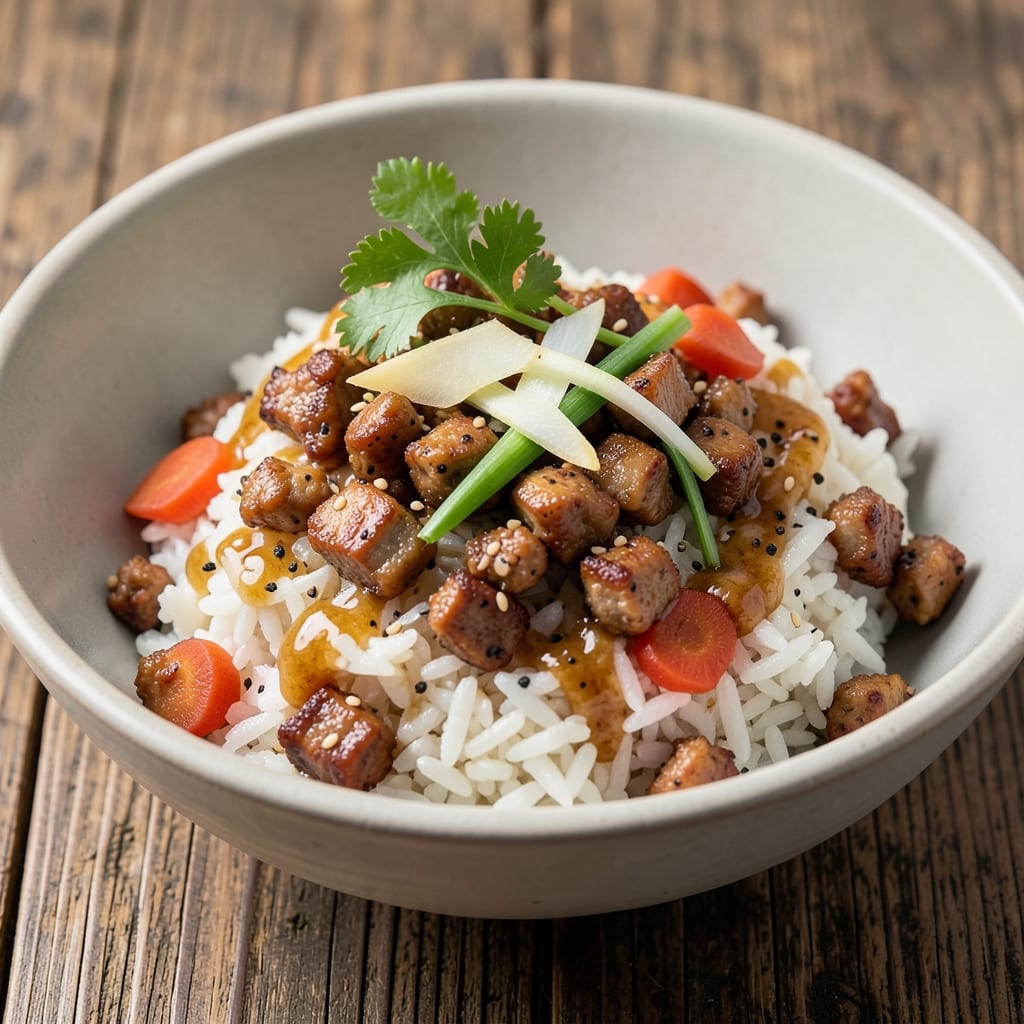
This Asian dirty rice recipe delivers the perfect balance of fragrant jasmine rice, savory ground pork, and crisp-wok vegetables—all packed with deep umami flavors. 🌟 The secret lies in properly toasting the aromatics and cooking the rice just until tender, then finishing it on the stovetop for that signature wok-crunch texture. I developed this version after years of testing, and it never fails to impress—whether served as a main dish or alongside stir-fried meats.
The recipe begins with a flavorful base of garlic, ginger, and scallions, which are sautéed until fragrant before adding ground pork for maximum flavor development. Jasmine rice is cooked separately to avoid mushiness, then combined with the pork mixture and a splash of soy sauce for that classic tangy depth. The vegetables—carrots, bell peppers, and peas—are stir-fried to crisp perfection before being tossed with the rice for a satisfying bite.
What sets this dish apart is the umami-packed sauce, made with a blend of soy sauce, oyster sauce, and a touch of sesame oil, which ties everything together. The final result is a dish that’s rich, aromatic, and packed with texture—crispy edges on the rice, tender pork, and vibrant vegetables. It’s the kind of meal that feels both comforting and exciting, perfect for weeknight dinners or special gatherings.
For extra authenticity, garnish with sliced green onions and a sprinkle of sesame seeds before serving. This recipe is designed to be foolproof, with clear steps to ensure the rice stays separate and the flavors shine. Let’s get cooking!
Ingredients for asian dirty rice
Fragrant jasmine rice, savory pork, and vibrant vegetables—these ingredients create the perfect umami-packed wok crunch.
| Ingredient | Amount | Notes |
|---|---|---|
| Jasmine Rice 🍚 | 1 ½ cups | Uncooked, long-grain preferred |
| Ground Pork 🐖 | 1 lb | Lean or regular, finely ground |
| Garlic Cloves 🧄 | 6 cloves | Fresh, minced for aromatics |
| Fresh Ginger 🌿 | 2 tbsp | Grated, finely chopped |
| Scallions 🧅 | 3 whole | White and green parts, sliced |
| Carrots 🥕 | 1 ½ cups | Julienned or thinly sliced |
| Bell Peppers 🍆 | 1 cup | Red or yellow, diced |
| Frozen Peas 🌱 | ½ cup | Thawed, for texture contrast |
| Soy Sauce 🍶 | ⅓ cup | Light or all-purpose |
| Oyster Sauce 🦪 | 2 tbsp | High-quality for umami depth |
| Sesame Oil 🫒 | 1 tbsp | Toasted, for aroma |
| Vegetable Oil 🫒 | 2 tbsp | High smoke point preferred |
| Salt 🧂 | 1 tsp | Diamond Crystal preferred |
| White Pepper 🌶️ | ¼ tsp | Freshly ground for heat |
| Green Onions 🧅 | 2 whole | Sliced, for garnish |
| Toasted Sesame Seeds 🌾 | 1 tbsp | For garnish and crunch |
The jasmine rice is the backbone of this dish, so choose long-grain varieties for that signature texture. Lundberg or Thai Kitchen brands work exceptionally well. For the pork, ground pork shoulder delivers the best flavor—avoid lean ground pork, which can dry out. The aromatics—garlic, ginger, and scallions—must be toasted until fragrant; this step is non-negotiable for authentic flavor. If you're short on time, pre-minced garlic and ginger from the refrigerated section at Whole Foods or Trader Joe's works, but freshly grated ginger has a brightness those can't match.
No oyster sauce? Hoisin sauce or coconut aminos can substitute, though the umami depth will differ. For a vegetarian version, replace pork with extra-firm tofu (pressed and crumbled) and use vegetable oyster sauce. The bell peppers can be swapped for broccoli florets or snap peas if you prefer. The peas should be thawed but not soggy—drain them well and pat dry before stir-frying. For extra crispiness, toss the vegetables with a light cornstarch slurry before cooking. The sesame oil should be toasted, not the flavorless kind—Kadoya or La Choy are reliable brands.
This dish reheats beautifully—store leftovers in an airtight container for up to 4 days in the fridge. For longer storage, freeze portions for 3 months. Garnish with green onions and sesame seeds right before serving to maintain freshness. The rice mixture can be prepped ahead and chilled, then finished with a quick stir-fry over high heat to restore texture. Double the batch—it disappears fast at gatherings, and the flavors only deepen overnight.
Why You'll Love This Recipe
- One-Pan Magic: I swear by this recipe when I’m too tired to wash dishes. Brown the pork, toss in the jasmine rice and broth, let it simmer—no extra pots, no fuss. The scallions and ginger mingle right in the pan, so you’re done in 25 minutes with one spatula to clean.
- Umami Bomb: That crispy pork seared with garlic and ginger? It’s the star. The jasmine rice soaks up all the savory goodness, while the scallions add a bright finish that cuts through the richness. Honestly, the first bite makes me forget about takeout.
- Lunchbox Hero: Between us, this is my go-to for meal prep. Pack it in containers, and it reheats like a dream—no soggy rice, no dry edges. My kids grab it for school lunches, and my husband sneaks seconds from the fridge. (Yes, even on a Tuesday night.)
- Budget Stretch: Ground pork and jasmine rice won’t break the bank, but the flavor? Ridiculously good. A single batch feeds four, and leftovers taste just as fresh the next day. I’ve made it for potlucks, family dinners, and lazy Sundays—always a crowd-pleaser.
Step-by-step instructions for Asian dirty rice
Master this wok technique for restaurant-quality texture and flavor balance.
🍳 Step 1: Toast the Rice for Nuttiness and Prevent Sticking
Heat a wok over medium-high heat until it's smoking hot. Add the 1.5 cups jasmine rice and stir constantly for 2-3 minutes until the grains turn translucent at the edges and you smell a toasty aroma. This step builds flavor and prevents the rice from becoming mushy.
Here's the thing—don't walk away. The rice burns faster than you think. You're looking for light golden spots on the grains, not charred bits. Once toasted, remove the rice from the wok and set it aside temporarily. We'll return to it after cooking the pork and vegetables.
🔥 Step 2: Cook the Ground Pork Until Fully Browned
In the same wok, add 2 tablespoons vegetable oil and swirl to coat. Add the 1 lb ground pork and break it up with a wooden spoon or spatula. Cook over medium-high heat for 5-6 minutes, stirring constantly, until the pork loses its raw color and becomes deep golden brown.
This browning step is crucial for developing deep umami flavors. Don't drain the fat—it's what carries all those meaty flavors into the rice. You'll know it's ready when the pork releases easily from the wok and has a crispy texture in spots. Remove the pork to a plate and set aside with the rice.
👨🍳 Step 3: Build the Aromatic Vegetable Base
In the pork-fat-rich wok, add 2 tablespoons vegetable oil if needed to maintain a thin layer. Add the 6 cloves minced garlic and 2 tablespoons grated ginger, stirring constantly for 30 seconds until fragrant but not browned. Add the 3 sliced scallions and stir for another 30 seconds.
Next, add the 1.5 cups julienned carrots and 1 cup diced bell peppers. Stir-fry for 3-4 minutes until the carrots soften slightly but still maintain their shape and color. You want them to stay crisp-tender for that perfect wok crunch. Season with the 1 teaspoon salt and ¼ teaspoon white pepper.
🥘 Step 4: Combine All Ingredients and Season
Return the toasted rice and browned pork to the wok. Add the 0.5 cup thawed frozen peas and stir everything together for 1-2 minutes to distribute the pork and vegetables evenly through the rice. Pour in the ⅓ cup soy sauce and 2 tablespoons oyster sauce, stirring well to coat all ingredients.
Here's where the magic happens: Add 1 tablespoon sesame oil and toss everything together for another 1-2 minutes. The sesame oil adds that signature nutty aroma and helps bind everything together. Taste and adjust seasoning if needed—you might want to add a splash more soy sauce for saltiness or a pinch more white pepper for heat.
🔪 Step 5: Finish and Garnish for Restaurant Presentation
Remove the wok from heat and let the dirty rice rest for 2-3 minutes. This resting period allows all the flavors to meld together and the rice to absorb all the delicious sauces. Transfer to a serving platter and garnish with the 2 sliced green onions and 1 tablespoon toasted sesame seeds.
Serve immediately while still hot. The ideal texture should be a perfect balance: slightly crispy rice grains with tender pork, al dente vegetables, and a glossy sauce coating everything. The sesame seeds add that final crunch that makes this dish truly special—don't skip this step!
Pro Tips For Making Asian Dirty Rice
- CRISP THE GINGER: Use a microplane or knife to shred ginger finely—think rice grains, not matchsticks. I learned this the hard way when my dirty rice tasted like a background player instead of the star. The tiny pieces infuse flavor without turning the rice into a ginger-scented science experiment.
- SWEAT THE GARLIC LOW: Cook minced garlic in oil over medium-low until just golden—about 3 minutes. After burning three batches, I finally figured out that high heat turns garlic bitter. This is where the real aroma builds, so don’t rush it.
- TOAST THE RICE DRY: Spread cooked jasmine rice on a tray and bake at 350°F (175°C) for 10 minutes. This dries the surface so it absorbs the pork mixture like a sponge. Skipping this step means soggy rice that tastes like it’s swimming in its own juices.
- SAVE TIME WITH PREP: While the pork browns, chop all scallions and ginger at once—store them in a small bowl. I used to chop them mid-recipe, and by the time I finished, they’d turn to mush. Keep them dry and ready to fold in at the last second.
Common mistakes when making perfect results
Overcooking the Rice
I’ve ruined more dirty rice batches than I’d admit by letting the rice cook too long. The key is stopping it just before it’s fully tender—jasmine rice should have a slight bite when you bite into it. Overcooking turns it mushy, which kills that perfect wok-crunch texture we’re after. Use a rice-to-water ratio of 1:1.25 and cook it 90% of the package’s recommended time—then finish it in the wok. 🌱
Skipping the Pork Browning
Don’t rush the pork cooking step! I see people add pork to the rice too soon, and it ends up bland and pale. That 5-6 minute browning at medium-high heat develops deep, meaty flavors through the Maillard reaction. If your pork isn’t golden brown, it’ll taste raw and unappetizing. Use a wooden spoon to break it up into small pieces for even cooking.
Underseasoning the Sauce
The sauce is where dirty rice gets its soul, so don’t be shy with the seasonings. I’ve tasted versions where the soy and oyster sauces were barely present—just a splash too little. Taste as you go! Start with the ⅓ cup soy sauce and 2 tbsp oyster sauce, then adjust. A pinch of white pepper adds heat without overpowering. If it tastes flat, add a splash more soy sauce or a drop of fish sauce for umami depth.
Ignoring the Resting Time
Rushing the final resting step is a rookie mistake. After combining everything, let the rice sit off heat for 2-3 minutes—this lets flavors meld and the rice absorb the sauces. I’ve seen people serve it immediately, and it always feels unfinished. The sesame oil needs time to infuse, and the rice grains need to plump slightly. Trust the process—patience here makes all the difference. ✨
Using the Wrong Oil
Not all oils are created equal for stir-frying. I’ve made dirty rice with olive oil, and it was a disaster—the low smoke point burns before the pork browns. Use a high-smoke-point oil like avocado oil or peanut oil (if no allergies) for the pork and vegetables. For the sesame oil, always use toasted sesame oil—the flavorless kind won’t cut it. 🫒
Overcrowding the Wok
Dirty rice is all about that wok-crunch texture, so don’t overcrowd the pan. Cook the pork and vegetables in batches if needed—this ensures they stay crisp-tender. I’ve seen people dump everything in at once, and the result is soggy, flavorless mess. Work in stages: brown the pork first, then stir-fry the veggies separately, and finally combine with the rice. This keeps everything vibrant and delicious.
Nutrition facts
Frequently asked questions
Can I make this Asian dirty rice with chicken instead of pork?
Swap the 1 lb ground pork for 1 lb ground chicken, but cook it for 4-5 minutes instead of 5-6 minutes—chicken browns faster. For extra flavor, add ½ teaspoon smoked paprika to the chicken while browning. The texture will be slightly lighter, but the technique remains the same.
How do I keep the rice from getting mushy when reheating?
Store leftovers in an airtight container and reheat only what you need. Use a steamer basket over boiling water for 2-3 minutes—this adds moisture without steaming the rice directly. For extra insurance, sprinkle 1 teaspoon toasted sesame seeds over the top before reheating to create a protective barrier. Never microwave with a wet paper towel on top.
What's the best way to make this vegetarian?
Replace the pork with 1 lb extra-firm tofu (pressed, crumbled, and pan-fried until crispy) and use vegetable oyster sauce or ½ cup mushroom sauce instead of regular oyster sauce. Add ½ cup chopped shiitake mushrooms to the vegetable mix for extra umami. The technique stays identical—just focus on achieving that wok-crunch texture.
Can I make this recipe in a regular skillet instead of a wok?
Yes, but you’ll need to work in batches to maintain texture. Use a 12-inch cast-iron skillet and cook the pork and vegetables in two separate stages—first the pork, then the veggies—before combining with the rice. Keep the heat at medium-high and stir frequently. The flavor will be just as good, though the wok gives that signature crispy edge.
How do I adjust the spice level for sensitive eaters?
Skip the white pepper entirely and reduce the soy sauce to 2 tablespoons (it has a slight saltiness). For extra mildness, add 1 teaspoon honey or maple syrup to balance any lingering saltiness. The dish will still be flavorful but much gentler on sensitive palates. Taste as you go—you can always add more, but you can't take it out!