
Main Courses
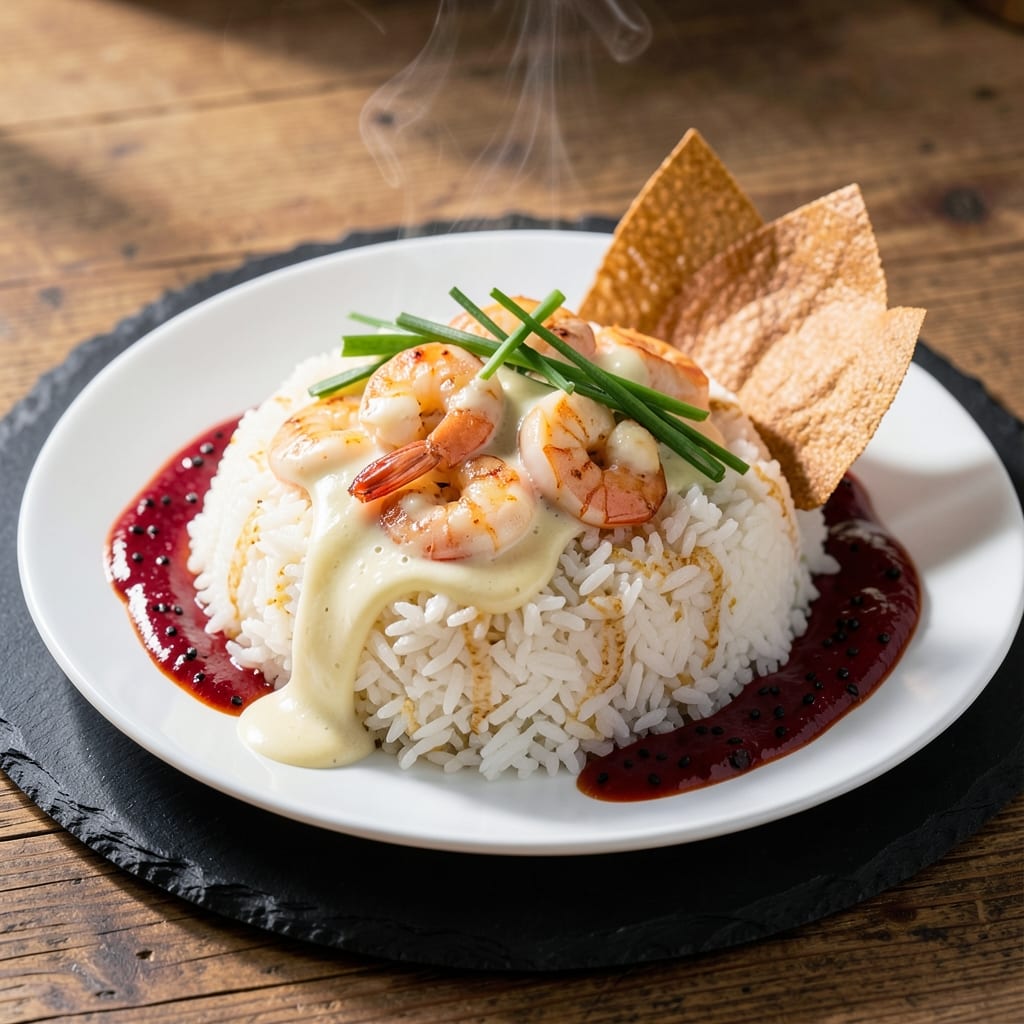
These Asian rice recipe ideas transform simple grains into aromatic, flavor-packed centerpieces that bring restaurant-quality meals to your table. 💛 From Thai coconut-infused jasmine to Japanese-style charred shrimp onigiri, each dish delivers authentic techniques with minimal effort—perfect for weeknight dinners or special occasions. The key lies in balancing fragrant spices, proper cooking methods, and the right texture, whether you're aiming for sticky rice or crispy grains.
What sets these recipes apart is their versatility—each can be customized with proteins, vegetables, or sauces to suit your preferences. The Thai coconut rice features creamy coconut milk and lime, while the Japanese onigiri combines sticky rice with savory fillings wrapped in nori. For something heartier, the Korean bibimbap rice brings together vibrant vegetables, gochujang, and a perfectly fried egg. Every dish maintains the essential balance of textures and flavors that define Asian cuisine.
By the time you finish cooking, you'll have restaurant-quality meals with minimal cleanup—no takeout containers required. The fragrant aromas alone will transport you to bustling street markets or cozy home kitchens across Asia. Whether you're feeding a family or treating yourself, these recipes deliver satisfying, flavorful results that prove homemade Asian rice dishes are easier than you think.
Each recipe includes step-by-step instructions, cultural context, and optional sides to complete the meal. Ready to elevate your rice game? Let's get started with these authentic, foolproof dishes that bring Asia to your kitchen.
Ingredients for asian rice recipe ideas
Fragrant jasmine rice, charred shrimp, and vibrant flavors transform simple grains into restaurant-quality Asian centerpieces.
| Ingredient | Amount | Notes |
|---|---|---|
| Jasmine Rice 🍚 | 1 ½ cups | Uncooked, long-grain preferred |
| Coconut Milk 🥥 | 1 can | Full-fat for creaminess (13.5 oz) |
| Fresh Lime 🍋 | 1 whole | Zest and juice, organic preferred |
| Shrimp 🦐 | 1 lb | Medium size, peeled and deveined |
| Nori Sheets 🍣 | 4 pieces | For Japanese-style onigiri wraps |
| Gochujang 🌶️ | 2 tbsp | Korean chili paste for bibimbap |
| Sesame Oil 🫒 | 1 tbsp | Toasted for aroma, not cooking oil |
| Garlic Cloves 🧄 | 4 cloves | Minced for flavor base |
| Ginger 🌿 | 1 tbsp | Fresh, grated for zing |
| Green Onions 🧅 | 3 whole | Sliced for garnish |
| Vegetable Oil 🫒 | 2 tbsp | High smoke point for frying |
| Soy Sauce 🍶 | 2 tbsp | For marinating shrimp |
| Honey 🍯 | 1 tbsp | For glaze (optional) |
| Salt 🧂 | 1 tsp | Diamond Crystal preferred |
| Black Pepper 🌶️ | ½ tsp | Freshly ground for heat |
The jasmine rice is non-negotiable here—look for Thai-grown brands at Asian markets or the international aisle for that signature floral aroma. Lundberg Family Farms or Thai Kitchen are solid grocery store options. For the coconut milk, full-fat is key (the canned kind works best)—Thai Kitchen or Goya are my go-tos. Fresh lime is a must; those bottled juices just won't cut it. The shrimp should be medium-sized for even cooking, and if you can't find peeled/deveined, do it yourself—it's faster than you think. For the nori sheets, Koyo or Marukyu brands are the gold standard, but any good-quality dried seaweed will work.
No gochujang? Substitute sriracha or gochugaru (Korean chili flakes) with a pinch of sugar to mimic the sweet-spicy balance. Short on nori? Use lettuce leaves for onigiri wraps, though the texture won't be the same. The sesame oil is for finishing—don't cook with it. Want more depth in the garlic? Toast the minced cloves in oil for 30 seconds before adding to the rice. The honey glaze is optional but adds a beautiful caramelized touch to the shrimp. For a veggie version, swap shrimp for marinated tofu or mushrooms—just increase the soy sauce by 1 tbsp.
Rice keeps best in an airtight container for 3-4 days—reheat with a splash of water. The charred shrimp onigiri holds up for 2 days in the fridge, but the nori gets soggy if wrapped too tightly. For longer storage, freeze the cooked rice in portions and reheat with a bit of water or broth. The gochujang paste stays potent for 6 months in the pantry, so buy extra if you love it. Sesame oil? Keep it in the fridge after opening—it goes rancid fast.
Why You'll Love This Recipe
- One-Pan Magic: I swear by this—just toss everything in one pot, and the coconut milk and lime work their flavor magic while the rice steams. No fancy techniques, no extra dishes to wash.
- Umami Bomb: That crispy nori sheet on top? It’s like a little flavor explosion with every bite. The shrimp adds a salty kick, and the jasmine rice soaks up the creamy coconut like a dream.
- Lunchbox Hero: Between us, this keeps perfectly for days. Pack it cold for work, or reheat it for dinner—still tastes fresh. My kids actually eat their veggies in this (I’ll take it).
- Budget Flex: Shrimp’s the star, but you can swap it for tofu or even canned chicken without breaking the bank. Coconut milk and lime stretch the flavors, so one pot feeds the whole family without guilt.
Step-by-step instructions for fragrant jasmine and charred shrimp fusion
Here's how to transform simple ingredients into a fragrant, flavor-packed fusion dish.
🍳 Step 1: Create the Gochujang-Glazed Shrimp
In a small bowl, whisk together the 2 tablespoons soy sauce, 2 tablespoons gochujang, 1 tablespoon honey, 1 tablespoon sesame oil, 1 teaspoon salt, and ½ teaspoon black pepper. Add the 1 pound shrimp and toss to coat evenly. Let marinate for 15 minutes while you prep the rice.
Heat 2 tablespoons vegetable oil in a large skillet over medium-high heat until shimmering. Add the shrimp in a single layer and cook for 2-3 minutes per side until deep pink and slightly charred. Remove shrimp and set aside on a plate, leaving the oil in the pan.
👨🍳 Step 2: Build the Fragrant Jasmine Rice Base
Rinse the 1½ cups jasmine rice under cold water until the water runs clear. In a medium saucepan, combine the rice with 1 cup water and bring to a boil over high heat. Once boiling, reduce heat to low, cover tightly with a lid, and simmer for 15 minutes. Remove from heat and let steam for 10 minutes without lifting the lid.
While the rice steams, finely mince the 4 cloves garlic and grate the 1 tablespoon ginger. In the same skillet with shrimp oil, sauté the garlic and ginger over medium heat for 1 minute until fragrant. Add the 1 can coconut milk and bring to a gentle simmer for 3 minutes until slightly thickened.
🥘 Step 3: Assemble the Fusion Rice Bowls
Fluff the jasmine rice with a fork and divide it evenly among 4 bowls. Spoon the coconut milk mixture over each serving, then arrange the charred shrimp on top. Zest the 1 whole lime and cut into wedges for serving.
Cut the 4 pieces nori sheets into thin strips and sprinkle over each bowl. Thinly slice the 3 whole green onions and garnish the top. Drizzle with any remaining coconut milk mixture from the pan, and serve immediately with lime wedges for squeezing.
⏰ Step 4: Finish with Fresh Lime and Garnishes
Just before serving, give each bowl a final squeeze of fresh lime juice from the 1 whole lime. The acidity brightens all the flavors and cuts through the richness of the coconut milk. I like to add an extra sprinkle of sesame oil right before eating to enhance the nutty aroma.
This fusion dish delivers the delicate floral notes of jasmine rice with the bold char of shrimp and the creamy depth of coconut milk. The gochujang adds a subtle heat that lingers, while the nori and green onions provide texture contrast. Serve with extra lime wedges for customizable brightness!
Pro Tips For Making Asian Rice Recipe Ideas
- Toast the Shrimp First: Hit the shrimp with a quick sear in a dry pan for 30 seconds per side before adding coconut milk—this locks in flavor and prevents them from turning rubbery when soaked in the creamy sauce. (Yes, even if you’re impatient like me, resist the urge to skip this.) ---
- Rinse Jasmine Rice Twice: Give that jasmine rice a thorough rinse under cold water until it runs almost clear—this cuts down on the starchy gloop that turns your rice into glue. Trust me, your future self will curse you if you don’t. ---
- Simmer Coconut Milk Low: After adding coconut milk, drop the heat to a bare simmer and let it bubble gently. I learned this the hard way—boiling it hard splits the milk and turns your sauce into a greasy mess. Low and slow keeps it rich and smooth. ---
- Zest the Lime, Save the Juice: Use half the lime’s zest (about 1 teaspoon) for brightness, then reserve the juice for finishing—this balances the dish without drowning it in acid. (And no, bottled lime juice won’t cut it here.)
Essential equipment for this recipe
Rice Cooker Essentials
For perfect jasmine rice every time, invest in a high-quality rice cooker like the Zojirushi NS-LAC10 or Cuisinart CRC-100AMY. These models maintain consistent temperatures and prevent burning. I love mine for its keep-warm function—ideal for busy weeknights when timing matters. 💫
If you prefer stovetop cooking, a heavy-bottomed pot with a tight-fitting lid (like All-Clad Stainless Steel) is non-negotiable. The even heat distribution prevents scorching and ensures fluffy grains. Pro tip: Use 1:1.25 rice-to-water ratio for jasmine rice—this guarantees tender, separate grains without mushiness.
Steaming Tools
A bamboo steamer basket (available at Asian markets) is perfect for keeping rice moist while infusing flavors. I place mine over a pot of simmering water for 10 minutes after initial cooking to enhance aroma. For larger batches, a stackable stainless steel steamer (like OXO Good Grips) handles multiple servings efficiently.
For coconut-infused rice, a small saucepan with a tight lid works wonders. Simmer the rice with coconut milk on low heat for 5 minutes post-cooking to absorb those creamy notes. Just avoid boiling—gentle heat preserves the delicate flavors.
Knife & Cutting Prep
Sharp knives are your best friend when prepping ingredients. A Japanese-style santoku knife (like Shun Premier) makes mincing garlic and ginger effortless. For nori sheets, a serrated knife ensures clean cuts without tearing. I keep mine stone-sharpened—dull blades crush garlic instead of slicing it.
Invest in a microplane for ginger and lime zest—it yields finer, more flavorful results than a box grater. For shrimp, a small boning knife helps remove veins with precision. Prep all ingredients before cooking to streamline the process.
Garnish Tools
A pair of kitchen tweezers elevates plating—use them to place nori strips or green onion slices with restaurant-worthy precision. For sesame seeds, a small bowl with a lid prevents spills while shaking them over dishes. I also keep a lime zester handy to add bright, fragrant garnishes without overpowering the dish.
Don’t overlook a fine-mesh strainer for rinsing rice—it removes excess starch, preventing gummy textures. For extra flair, a small offset spatula helps create clean lines when arranging rice in bowls. These tools make presentation effortless.
Nutrition facts
Frequently asked questions
What's the best rice-to-water ratio for Asian rice dishes?
For jasmine rice, use a 1:1.25 ratio (rice to water) for perfect fluffy grains. For sticky rice like sushi or onigiri, try 1:1.1 ratio—less water yields chewier texture. Always rinse rice first to remove excess starch, which prevents gummy results. Black rice needs slightly more water (1:1.5 ratio) due to its denser structure.
Can I substitute basmati rice for jasmine in these recipes?
Yes, but expect different flavors! Basmati has a nuttier aroma and firmer texture, making it great for pilafs or biryani. For coconut rice dishes, jasmine's floral notes complement the creaminess better. If substituting, reduce water by 10% since basmati absorbs less moisture. For sticky rice dishes, basmati won't work—use Japanese short-grain rice instead.
How do I make my rice extra fragrant?
Start with high-quality jasmine rice and rinse it until water runs clear. Add 1 cinnamon stick or star anise to the cooking water for depth, or infuse rice with coconut milk after cooking for 5 minutes on low heat. For extra aroma, toast 1 tsp sesame seeds in the rice pot before adding water. The key is patience—let rice steam undisturbed for 10 minutes after cooking.
What's the best way to reheat leftover Asian rice?
Sprinkle 1 tbsp water or broth over cold rice in a microwave-safe bowl, cover, and heat for 1-2 minutes on high. For stovetop, use a nonstick pan on low heat with a splash of water—stir constantly to prevent sticking. Never reheat rice more than once. For fried rice, add a little oil to the pan first to restore crispiness. Store leftovers in an airtight container for 3-4 days.
Can I make these recipes vegetarian?
Swap shrimp for marinated tofu (firm or extra-firm) or shiitake mushrooms—both absorb flavors well. For onigiri, use pickled vegetables or avocado as fillings. In coconut rice, add roasted cashews or peanuts for crunch. Keep the same cooking techniques but adjust seasoning—vegetarian versions often need 1 extra tbsp soy sauce for umami depth.