
Beverages
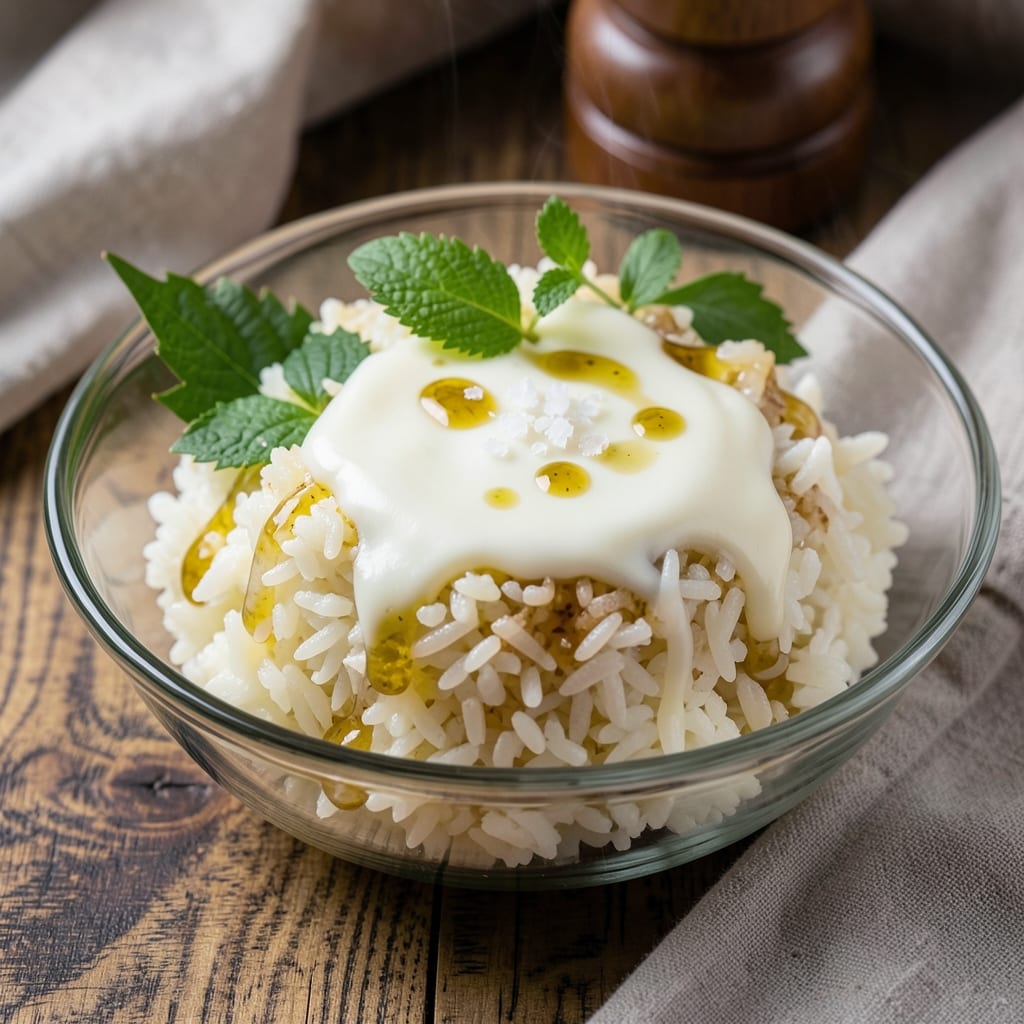
This Asian steamed rice recipe delivers the perfect balance of lightness and fluffiness—no sticky, mushy grains in sight. The secret lies in precise water ratios and a simple steaming technique that transforms basic jasmine rice into a fragrant, cloud-like side dish. I’ve perfected this method over years of trial and error, ensuring every grain stays separate yet tender, with just the right aroma to complement any Asian meal.
What makes this recipe truly foolproof is its adaptability—whether you’re using a stovetop pot, rice cooker, or even a bamboo steamer. The process is straightforward: rinse the rice until the water runs clear, combine with water in the right proportion, and let it steam undisturbed. Optional seasonings like a pinch of salt or a pandan leaf add depth, but the rice shines on its own.
By the time you’re done, you’ll have perfectly steamed rice with a delicate texture and a subtle floral scent that elevates any dish. It pairs beautifully with stir-fries, curries, or grilled proteins, absorbing flavors without overpowering them. The best part? This method works for both short-grain and long-grain varieties, giving you control over the final consistency.
For those who love experimenting, try variations like coconut rice or five-spice rice by adding a splash of coconut milk or a sprinkle of ground spices. The possibilities are endless, but the foundation remains the same—simple, reliable, and always delicious. Let’s get started!
Ingredients for asian steamed rice
Jasmine rice, water, and a touch of patience—this trio creates restaurant-quality steamed rice every time.
| Ingredient | Amount | Notes |
|---|---|---|
| Jasmine Rice 🍚 | 1 ½ cups | Uncooked, long-grain preferred |
| Water 💧 | 2 cups | Room temperature preferred |
| Salt 🧂 | ¼ tsp | Fine sea salt, optional |
| Pandan Leaves 🌿 | 1 whole | Fresh or dried, optional |
| Extra-Virgin Olive Oil 🫒 | 1 tbsp | For finishing, optional |
| Coconut Milk 🥥 | ¼ cup | For coconut rice variation |
| Five-Spice Powder 🌶️ | ½ tsp | For spiced rice variation |
| Lemon Zest 🍋 | 1 tsp | For bright finish, optional |
The rice is non-negotiable—jasmine rice delivers that signature floral aroma, but long-grain white rice works in a pinch. Grab a 3-pound bag from Whole Foods or your local Asian market for the best quality. Fresh pandan leaves? Look for them in the frozen section of Asian grocery stores—they keep for months. If you can't find them, dried works too, but toast lightly before using to wake up the flavor. For water, tap is fine, but filtered or bottled prevents any off-flavors if your tap has a strong mineral taste.
No pandan? Skip it—this recipe stands alone. Want coconut rice? That light coconut milk from the canned section at Trader Joe's is perfect—just reduce the water slightly. For five-spice rice, Penzeys brand is my go-to, but any quality five-spice blend works. The salt is truly optional, but if you're serving with salty dishes, add it to the water for even distribution. And that olive oil finish? Use the good stuff—extra-virgin makes all the difference when drizzled over the finished rice.
Rice keeps best in an airtight container in the fridge for 4-5 days, though it's best eaten fresh. For longer storage, freeze portions for up to 3 months—just thaw in the fridge overnight. I always make a double batch because leftover rice reheats beautifully for fried rice or rice bowls. Pro tip: Line your rice cooker with parchment paper for easy cleanup, and never stir the rice after cooking—it releases steam and makes the grains mushy.
Why You'll Love This Recipe
- Five-Ingredient Magic: I swear by this—just rice, water, a pinch of salt, a pandan leaf, and a drizzle of olive oil. That’s it. No fancy gadgets, no stress, just hands-off perfection while you sip tea or scroll through your phone.
- Fragrant Every Bite: The pandan leaf infuses that unmistakable floral aroma—like a warm hug for your taste buds. And the olive oil? Gives it a silky texture that’s anything but dry, even the next day.
- Meal Prep Hero: Make a big batch on Sunday, and you’ve got lunch/dinner covered for days. It reheats beautifully, pairs with anything (curries, stir-fries, even grilled fish), and honestly? I’ve fed a houseful with this—no one complains.
- Budget-Friendly Luxury: Jasmine rice is cheap, pandan leaves last forever, and you’re using half the oil of other recipes. Yet it feels like a restaurant-quality side—proof you don’t need fancy ingredients to impress. (My roommate still asks where I learned to cook.)
Step-by-step instructions for perfect Asian steamed rice
Here's how to transform simple ingredients into restaurant-quality rice with fragrant aroma and cloud-like texture.
Rinse the Jasmine Rice Thoroughly
Place the 1.5 cups jasmine rice in a fine-mesh strainer and rinse under cold running water. Swirl the rice gently with your hands to release excess starch—this prevents gummy texture. Keep rinsing until the water runs completely clear, which typically takes 3-4 minutes. The rice should feel light and separate easily between your fingers.
After rinsing, spread the rice on a clean kitchen towel or paper towel and pat dry. This step removes surface starch that would otherwise make the rice sticky. I like to do this right before cooking so the rice stays dry and absorbs water evenly during steaming.
Prepare the Steaming Setup
Combine the rinsed jasmine rice with the 2 cups room-temperature water and 0.25 teaspoon salt in a heatproof bowl. If using, add the whole pandan leaf and 0.5 teaspoon five-spice powder, stirring gently to distribute. Place the bowl in a steamer basket or directly on a trivet inside a pot with about 1 inch of water at the bottom.
Bring the water to a rolling boil over medium-high heat, then reduce to medium-low heat to maintain a gentle simmer. The key here is steady heat—too high will scorch the bottom, too low won't create enough steam. You'll know it's working when you see fine steam rising continuously from the sides of the pot.
Steam for Perfect Texture
Cover the pot with a tight-fitting lid and steam for 15 minutes without lifting it. The rice is done when all the water has been absorbed and the grains look plump and separate with a slight sheen. If using coconut milk, fold it in gently during the last 2 minutes of steaming for a creamy variation.
Here's the thing—don't peek! Every time you lift the lid, you release steam and extend cooking time. The rice should feel tender when pressed between your fingers, but still have a slight bite in the center. This indicates perfect doneness that will finish cooking from residual heat.
Finish with Aromatics
Remove the rice from the steamer and transfer to a serving bowl. Drizzle with 1 tablespoon extra-virgin olive oil and sprinkle with 1 teaspoon lemon zest, tossing gently with a fork. The oil adds richness while the lemon zest brightens the natural floral notes of jasmine rice.
For best results, let the rice sit covered for 5 minutes before serving. This allows the steam to redistribute, ensuring every grain is perfectly tender. The aroma should be intoxicating—sweet, floral, and subtly spiced from the five-spice powder. Serve immediately with your favorite Asian dishes for maximum flavor impact.
Pro Tips For Making Asian Steamed Rice
- SOAK THE RICE: Jasmine rice absorbs water like a sponge—soak it for 20-30 minutes before cooking. I learned this the hard way when my rice turned out gummy; pre-soaking guarantees even cooking and that signature fluffy texture.
- USE PANDAN WISELY: Tear the pandan leaves, not chop—whole leaves infuse better without turning the rice bitter. Tuck one or two into the rice while steaming, then remove them before serving (yes, even if you forget, it’s still edible).
- SALT THE WATER LIGHTLY: A pinch is enough—too much salt makes the rice taste flat and dull. Start with ¼ teaspoon for 2 cups of rice, then adjust to taste after cooking (your rice will absorb some of it).
- OIL THE RICE, NOT THE POT: Toss the drained rice with a drizzle of extra-virgin olive oil before steaming—this prevents clumping and adds a subtle richness. Skip the oil in the pot; it just makes cleanup harder.
Make-ahead tips for this dish
Prep Ahead Basics
Start by rinsing and drying your 1.5 cups jasmine rice completely, then store it in an airtight container in the fridge for up to 24 hours before cooking. This jumpstarts the process and saves you time on busy days. I like to prep my rice the night before—it’s one less thing to worry about in the morning. Just
Rice Cooker Shortcuts
If you own a rice cooker, use the white rice setting and add your rinsed rice plus 2 cups water directly into the pot. For extra flavor, add the pandan leaf or five-spice powder to the water before starting. The cooker handles the steaming for you, so you can focus on other dishes while it works. My Cuisinart CRC-100AMY rice cooker does this perfectly every time.
Steamer Setup
Assemble your steaming setup the night before by placing a trivet or heatproof bowl in your steamer basket. Store it covered in the fridge until you’re ready to cook. This eliminates last-minute setup and ensures you’re ready to go when you are. Just add the rice and water, then steam as directed. I keep my steamer basket in a glass Pyrex dish for easy storage and cleanup.
Freezer-Friendly Variations
For coconut rice or five-spice rice, prepare the base recipe as usual, then fold in your variations before steaming. Once cooled, transfer to a freezer-safe bag or container, leaving 1 inch headspace for expansion. These variations reheat beautifully—just microwave on 50% power for 2-3 minutes or steam for 10 minutes to restore fluffiness. 🥥
Batch Cooking Tips
Double or triple the recipe and store in individual portions for easy grab-and-go meals. Use quart-sized freezer bags or small airtight containers to keep portions manageable. Label each with the date and variation—this helps you track what you have on hand. I often make 4 servings at a time to have rice ready for quick lunches or dinner sides.
Reheating Perfection
To reheat, spread the rice on a baking sheet and warm in a 350°F oven for 5-7 minutes to restore its fluffy texture. Avoid microwaving plain rice—it turns rubbery. For coconut or spiced rice, add 1 tablespoon water or broth per cup of rice and cover with a damp paper towel before reheating. This method keeps the grains separate and delicious. ⏰
Nutrition facts
Frequently asked questions
Why does my Asian steamed rice turn out sticky?
Over-rinsing or under-rinsing the rice releases too much starch, causing stickiness. Rinse until the water runs clear (about 3-4 minutes) but don't scrub aggressively. Also, avoid lifting the lid while steaming—this releases steam and makes grains clump. For extra fluffiness, use a 1:1.3 rice-to-water ratio and let it rest covered for 5 minutes after cooking.
Can I use short-grain rice instead of jasmine?
Yes, but expect a slightly different texture. Short-grain rice (like sushi rice) absorbs more water and stays stickier, which works well for dishes like rice bowls or fried rice. For classic steamed rice, stick with jasmine or long-grain white rice. If using short-grain, reduce water by 10% and steam for 12-14 minutes instead of 15 minutes.
What's the best way to add flavor without overpowering the rice?
Start with subtle additions like a single pandan leaf or ½ teaspoon five-spice powder mixed into the water. For brightness, finish with lemon zest or a drizzle of toasted sesame oil after cooking. Avoid heavy seasonings—Asian steamed rice should complement, not compete with, your main dish. Pro tip: A pinch of salt in the water enhances natural flavors without tasting salty.
How do I fix rice that's undercooked or has a hard center?
Spread the rice on a baking sheet and cover with a damp paper towel. Microwave on 50% power for 1-2 minutes or steam for 5-7 minutes until tender. For hard centers, the issue is usually undercooking—next time, steam for 15 minutes and let it rest covered. Never stir the rice after cooking, as this releases starch and makes it gummy.
Can I make this recipe in a rice cooker?
Use the white rice setting, add 1.5 cups rinsed rice and 2 cups water, then include optional seasonings like pandan or five-spice. The cooker handles the steaming automatically. For coconut rice, add ¼ cup coconut milk during the last 2 minutes of cooking. Just avoid pressing the "keep warm" button—it can overcook the rice.