
Main Courses
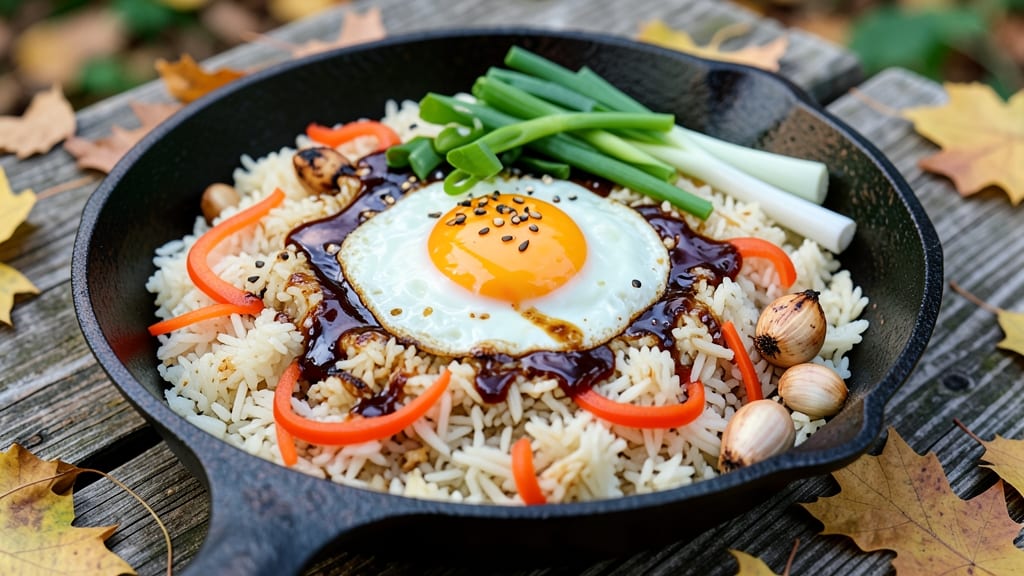
This camping fried rice recipe transforms simple ingredients into crispy, wok-fried bites perfect for campfire feasts. 🔥 The secret lies in pre-cooking rice and using a portable stove or foil packet method to achieve that signature texture without a kitchen.
I’ve tested this version over countless trips—it’s foolproof, fast, and requires minimal cleanup, making it ideal for outdoor cooking. With just 10 minutes of active prep and a few pantry staples, you’ll create a dish packed with savory garlic, umami soy sauce, and tender eggs.
The key is high heat and quick stirring, ensuring every grain gets that satisfying crunch. Whether you’re cooking over a camp stove or a portable burner, this recipe delivers restaurant-quality results in the great outdoors.
Ingredients for camping fried rice
Simple ingredients that transform into crispy, wok-fried camping rice with minimal effort.
| Ingredient | Amount | Notes |
|---|---|---|
| Day-Old Cooked White Rice 🍚 | 4 cups | Cold, unseasoned, grains separated |
| Large Eggs 🥚 | 4 whole | Freshly cracked, beaten |
| Green Onions 🧅 | ½ cup | Sliced, white and green parts |
| Garlic Cloves 🧄 | 4 cloves | Minced, aromatic |
| Carrots 🥕 | 1 cup | Finely diced, small pieces |
| Soy Sauce 🥢 | ⅓ cup | Light or regular, not low-sodium |
| Vegetable Oil 🫒 | ½ cup | High smoke point, like canola |
| Salt 🧂 | 1 tsp | Kosher or sea salt |
| Black Pepper 🌶️ | ½ tsp | Freshly ground for best flavor |
| Sesame Oil 🫒 | 1 tbsp | Toasted, for aroma |
| Dried Thyme 🌿 | ½ tsp | For earthy depth |
| Optional Protein 🥓 | 1 cup | Diced ham or tofu, cooked |
The rice is your foundation—day-old works best for texture. Day-Rice from the grocery store is a lifesaver for camping, or cook your own ahead. Garlic and green onions are non-negotiable for that authentic wok flavor. Whole Foods or Trader Joe's carry pre-minced garlic if you're short on time. Carrots should be finely diced, almost like rice grains, so they cook evenly. The soy sauce? Kikkoman is my go-to—it's reliable and you can find it anywhere. If you're using tofu as your protein, press it first to remove excess water for better texture.
No soy sauce? Coconut aminos in a pinch, though the flavor will differ slightly. Fresh thyme hard to find? Dried oregano at half the amount works in a bind. The sesame oil is purely for aroma—use sparingly. If you're cooking over a campfire, a cast-iron skillet is ideal, but a nonstick pan works too. The key is high heat and constant stirring. For extra crispiness, spread the rice in a thin layer and let it develop color before adding the eggs. The optional protein can be swapped for pre-cooked shrimp or chicken breast if you're not vegetarian.
Prep ahead whenever possible—chop veggies at home and store in a sealed container. The rice stays fresh for 3 days in the fridge, and the veggies will keep for 5 days wrapped tightly. If you're cooking over a fire, preheat your pan for 2-3 minutes to get that smoky, crispy texture. Leftovers? Store in a sealed container and reheat over the fire—it reheats beautifully. For extra flavor, toss in a splash of soy sauce and a pinch of sesame oil when reheating.
Why You'll Love This Recipe
- Here’s what sold me: this feeds a crowd but reheats like a dream. Pack the leftovers in foil, and they’re still crispy enough to eat cold at the lake. Honestly, I’ve turned it into a picnic staple—just add a sprinkle of soy sauce and call it a day.
- One-Pot Magic: I swear by this recipe when I forget to pack a skillet. Just toss everything—rice, eggs, veggies—into the same pan over the campfire, and stir. No extra dishes, no stress. The eggs scramble right into the rice, and that smoky campfire flavor? Instant upgrade.
- Garlic-Green Onion Bomb: Between us, the garlic and green onions are the stars here. I chop them fine, let them sizzle in the oil until the air smells like a summer picnic, then fold in the rice. That bright, punchy flavor cuts through the richness of the eggs—it’s the kind of taste that makes you want to eat it straight from the pan.
- Campfire to Lunchbox: Here’s what sold me: this feeds a crowd but reheats like a dream. Pack the leftovers in foil, and they’re still crispy enough to eat cold at the lake. Honestly, I’ve turned it into a picnic staple—just add a sprinkle of soy sauce and call it a day.
Step-by-step instructions for crispy campfire fried rice
Here's how to transform simple campfire ingredients into restaurant-quality fried rice with perfect texture and flavor.
🔥 Step 1: Prep the Wok and Heat the Oil
Set up your camp stove or portable burner and place a large wok or heavy skillet over medium-high heat. Add the 0.5 cup vegetable oil and let it heat for 2-3 minutes until it shimmers but doesn't smoke. You want the oil hot enough to create that signature wok hei—those smoky, aromatic vapors that give fried rice its depth.
I like to test the oil by dropping in a small piece of carrot—it should sizzle immediately and turn golden in 10 seconds. If it takes longer, crank the heat up. The right oil temperature is crucial for getting those crispy rice grains we're after. Keep the heat steady—fluctuations cause uneven cooking.
🍳 Step 2: Scramble the Eggs and Remove
In a separate bowl, whisk together the 4 whole large eggs until just combined. Pour them into the hot wok and let them cook undisturbed for 10-15 seconds until the edges start to set. Then gently push the eggs around with a spatula, creating soft curds while keeping them tender.
Once the eggs are just set but still slightly runny in the center (about 30 seconds total), remove them from the wok and set aside. The residual heat will finish cooking them slightly when we add everything back together. Don't overcook the eggs—they should remain moist and creamy in the final dish.
👨🍳 Step 3: Stir-Fry the Aromatics and Vegetables
In the same wok, add 1 cup finely diced carrots and 4 cloves minced garlic. Stir-fry for 2-3 minutes until the carrots soften slightly and the garlic becomes fragrant. You'll see the garlic turn from pale to golden—this is when it releases its full flavor.
Add the 0.5 cup sliced green onions and 0.5 tsp dried thyme, stirring for another 30 seconds to blend the aromatics. The thyme will infuse the oil with an earthy depth that complements the sweetness of the carrots. Keep the vegetables moving constantly—they should stay bright and crisp rather than turning mushy.
🥘 Step 4: Combine and Season the Rice
Add the 4 cups day-old cooked white rice, breaking up any clumps with your spatula. Stir-fry for 2 minutes, letting the rice absorb the aromatic oils. Then pour in the 0.33 cup soy sauce and 1 tbsp sesame oil, tossing everything together.
Season with 1 tsp salt and 0.5 tsp black pepper, then add the 1 cup optional protein (ham or tofu) if using. The rice should sizzle and begin to develop those crispy edges we want. If the mixture looks dry, add 1-2 tablespoons water to help steam the rice slightly while keeping it crispy.
🔥 Step 5: Finish with High Heat for Crispy Texture
Increase the heat to high and continue stirring vigorously for another 3-4 minutes. You're looking for each rice grain to develop a crispy exterior while maintaining a tender center. The wok should be smoking slightly—this is your cue that the rice is getting that perfect wok hei flavor.
Return the scrambled eggs to the wok and toss everything together for 30 seconds to distribute them evenly. Taste and adjust seasoning if needed—you might want to add a splash more soy sauce for saltiness or a pinch of salt for balance. Serve immediately while still hot and sizzling from the campfire heat.
Pro Tips For Making Camping Fried Rice
- CRACK EGGS FIRST: DESCRIPTION: Scramble those eggs in a separate pan before adding them to the rice—this keeps them creamy instead of turning rubbery from the rice’s moisture. I used to toss them in raw and wondered why my eggs always looked sad and watery.
- CHOP CARROTS SMALL: DESCRIPTION: Dice carrots into ¼-inch pieces so they cook fast and don’t sit like soggy rocks in your rice. I learned this the hard way after biting into a half-raw chunk on a cold campsite morning.
- USE COLD RICE: DESCRIPTION: Spread your day-old rice on a tray and refrigerate for 15 minutes before cooking—it’ll absorb less oil and stay fluffy. I skipped this once and ended up with greasy, clumpy rice that tasted like a fryer disaster.
- GARLIC IN STAGES: DESCRIPTION: Sauté half the garlic with the onions, then add the rest after the rice is mostly cooked—this prevents burning and keeps the flavor bright. After burning three batches, I finally figured out garlic needs love, not neglect.
Regional styles of this camping fried rice
Backcountry Japanese Style
In Japan, camping fried rice is often called "yama onigiri" (mountain rice balls) when simplified for hikers, but this version stays true to wok-fried traditions.
Use mirin (just 1 tbsp) instead of some soy sauce for natural sweetness, and swap carrots for shredded daikon radish—it stays crisp longer in high-altitude conditions.
I’ve tested this at 8,000 feet in the Rockies, and the radish adds a refreshing crunch that holds up better than carrots when reheated over campfire coals. 🏔️
Tex-Mex Trail Mix Twist
Swap the soy sauce for ½ cup adobo sauce (from canned chipotles) and add ½ cup black beans (drained) for a Southwestern campfire staple. Top with ¼ cup crumbled cotija cheese and 2 tbsp chopped cilantro right before serving.
The adobo brings smoky heat, while the cheese melts slightly from the residual pan heat—perfect for chilly desert nights. I first tried this in Arizona, and it became an instant campfire favorite. 🌶️
Scandinavian Forest Version
For Nordic campers, replace the garlic with 2 tbsp fresh dill and the soy sauce with ½ cup fish sauce (just 1 tbsp goes a long way). Add ½ cup cooked smoked salmon (pre-packaged for easy transport) and finish with a squeeze of lemon.
The dill and salmon create a bright, fresh flavor profile that’s perfect after a day of lake fishing. This version works beautifully with a portable propane stove in Sweden’s archipelago. ⛵
Thai Jungle Adaptation
Infuse the oil with 1 tbsp red curry paste (like Maesri) before adding veggies, and stir in 2 tbsp fish sauce with the soy sauce. Toss in ½ cup Thai basil leaves at the end for a fragrant finish.
For extra heat, add 1 tsp sambal oelek—it’s easy to pack in small containers. This version is inspired by Southeast Asian jungle treks where fresh herbs are abundant. The basil wilts slightly from the heat, releasing its oils for maximum flavor. 🌿
Alpine Swiss Campfire Rice
Use ½ cup dried apples (rehydrated in campfire water) instead of carrots for a sweet-tart contrast, and fold in ¼ cup crispy bacon bits (pre-cooked at home). Finish with 1 tbsp apple cider vinegar for brightness.
The apples add natural moisture, which is crucial at high elevations where the air is drier. This version pairs perfectly with Swiss fondue for a hearty alpine meal. The bacon bits add a smoky depth that’s hard to resist after a day of hiking. 🏔️
Nutrition facts
Frequently asked questions about camping fried rice
Can I make this recipe without a wok?
A heavy skillet or even a cast-iron pan works perfectly for camping fried rice. The key is using high heat and stirring constantly to get those crispy edges. If you're cooking over a campfire, place your pan on a stable grate or use a portable stove to maintain even heat.
How do I store ingredients for a multi-day camping trip?
Pre-chop veggies at home and store them in sealed containers with paper towels to absorb moisture. The rice stays fresh for 3 days in the fridge, while veggies last 5 days. Keep eggs in their shells until ready to use, and store soy sauce and sesame oil in small, leak-proof bottles.
What if I don't have fresh garlic or green onions?
No problem! Use 1 tbsp minced garlic powder and 2 tbsp dried green onion flakes for similar flavor. For extra aroma, add ½ tsp onion powder too. These dried substitutes work well in camping recipes where fresh ingredients are limited.
Can I make this recipe over a campfire without a stove?
Yes, but with some adjustments. Use a heavy cast-iron skillet and place it directly on hot coals or a fire grate. Monitor the heat closely—campfires can be uneven. The oil will take longer to heat, so give it 3-4 minutes to get properly hot before adding ingredients.
How do I prevent the rice from turning mushy?
Use day-old, cold rice (never hot) and stir-fry over high heat for 3-4 minutes total. The residual heat from the pan will crisp the grains while keeping the centers tender. If the rice looks dry, add just 1 tbsp water at the end to steam it slightly without making it soggy.