
Main Courses
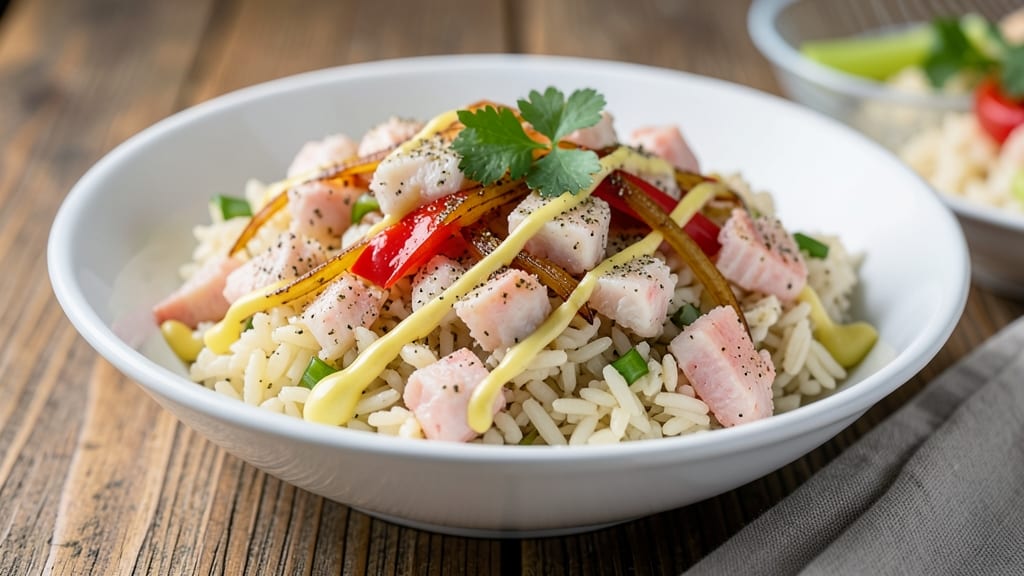
This Charleston crab rice recipe captures Lowcountry charm in every buttery, Old Bay-kissed bite. 🌟 The secret lies in perfectly cooked rice infused with crabmeat, aromatic vegetables, and a rich seafood broth that transforms simple grains into a restaurant-worthy centerpiece.
What makes this dish special is its balance of textures—creamy rice, tender crab, and crisp vegetables—all harmonized with the signature tangy-spicy Old Bay seasoning that defines Charleston cuisine.
The dish begins with building flavor in a skillet, where onions, bell peppers, and celery create a fragrant base before the rice absorbs the seafood broth and melts with the crabmeat.
Each component plays a crucial role: the rice must be cooked just right to avoid mushiness, while the crab stays tender yet distinct.
The result is a dish that's equally impressive as a main course or a showstopping side, perfect for seafood lovers and those seeking a taste of the South's coastal traditions.
Ingredients for charleston crab rice
Buttery rice, sweet crabmeat, and aromatic vegetables combine for this Lowcountry classic.
| Ingredient | Amount | Notes |
|---|---|---|
| Long-Grain White Rice 🍚 | 1 ½ cups | Uncooked, converted from 1 cup dry |
| Fresh Blue Crabmeat 🦀 | 1 ½ lbs | Backfin or lump preferred, fresh or thawed |
| Yellow Onion 🧅 | 1 whole | Medium size, diced finely |
| Red Bell Pepper 🍆 | 1 whole | Medium size, diced small |
| Celery Stalks 🥬 | 3 whole | Medium size, diced finely |
| Old Bay Seasoning 🌶️ | 2 tbsp | Classic blend for authentic flavor |
| Garlic Cloves 🧄 | 4 cloves | Fresh, minced finely |
| Unsalted Butter 🧈 | 4 tbsp | European-style preferred |
| Seafood Stock 💧 | 2 cups | Homemade or high-quality store-bought |
| Lemon Juice 🍋 | 1 tbsp | Freshly squeezed |
| Fresh Parsley 🌿 | ¼ cup | Chopped finely, for garnish |
| Salt 🧂 | 1 ½ tsp | Kosher or sea salt |
| Black Pepper 🌶️ | ½ tsp | Freshly ground |
| Heavy Cream 🥛 | ¼ cup | Full-fat for creaminess |
The crabmeat is everything here—fresh or high-quality frozen makes all the difference. Lowcountry Seafood Market or Whole Foods carry the best backfin or lump crab, but any fresh crabmeat works if it's sweet and plump. The Old Bay seasoning is non-negotiable; Penzeys Spices sells the authentic blend if your local store doesn't carry it. For the vegetables, medium-sized onions, bell peppers, and celery ensure even cooking and proper flavor balance. If using frozen crab, thaw it in the fridge overnight—never microwave, as it can turn rubbery.
No Old Bay? Substitute 1 tbsp paprika, 1 tsp thyme, 1 tsp celery salt, and ½ tsp black pepper for a similar profile. Short on seafood stock? Clam juice works perfectly—it's what many chefs use anyway. The butter should be European-style (like Plugrá or Kerrygold) for higher fat content and better flavor. If you can't find it, regular unsalted butter works, but reduce the salt slightly. The heavy cream adds richness, but half-and-half can be used at double the amount if you're watching calories. For the parsley, fresh is ideal, but dried at ⅓ the amount works in a pinch.
This dish reheats beautifully—just add a splash of water or broth and cover while warming. Keeps for 3-4 days in the fridge, though the texture softens slightly after the first day. For longer storage, freeze portions for up to 3 months. The rice is best served immediately after cooking, but you can prep the crab and vegetable mixture ahead and cook the rice separately. Garnish with extra Old Bay and parsley right before serving for maximum freshness.
Why You'll Love This Recipe
- One-Pot Magic: I swear by this—just toss rice, crab, and the holy trinity (onion, bell pepper, celery) into one pot with broth, stir once, and walk away. No side dishes, no extra pans, and honestly? The rice comes out fluffy and the crab stays tender.
- Sweet-Savory Bomb: That first bite of crabmeat with the bright crunch of bell pepper and the slow-simmered sweetness? It’s the kind of flavor that makes you pause mid-fork. The onions caramelize just enough to tie everything together—no heavy sauce, just pure, satisfying taste.
- Lunchbox Hero: Between us, this is my go-to for meal prep. Pack it in a container, and it’s a lunch that feels fancy without the effort. My kiddo even brings it to school—(yes, even on a Tuesday)—because it’s hearty enough to fill you up but light enough to not weigh you down.
- Budget-Friendly Luxury: Fresh blue crab can be pricey, but here’s the trick: use a mix of fresh and canned crabmeat, and you get that same rich flavor without breaking the bank. Plus, leftovers reheat like a dream—just add a splash of water and stir. It’s comfort food that doesn’t skimp on taste.
Step-by-step instructions for Charleston crab rice
Here's how to create restaurant-quality crab rice with perfectly balanced flavors.
🍳 Step 1: Sauté the Holy Trinity for Flavor Foundation
Heat 2 tablespoons of the unsalted butter in a large skillet over medium heat. Add the diced yellow onion, red bell pepper, and celery stalks, stirring frequently for 8-10 minutes until the vegetables soften and release their natural juices. This classic "holy trinity" combination forms the aromatic base of Charleston cuisine.
You'll know they're ready when the vegetables are tender but still retain their distinct textures. Season lightly with ½ teaspoon salt and ¼ teaspoon black pepper during this step to enhance their natural sweetness without overpowering the final dish.
🍳 Step 2: Cook the Rice with Seafood Stock
Add the 1.5 cups long-grain white rice to the skillet and stir to coat the grains with the vegetable mixture. Pour in the 2 cups seafood stock and bring to a gentle boil. Reduce heat to low and cover tightly with a lid.
Simmer for 15 minutes without lifting the lid—this steaming process allows the rice to absorb the liquid evenly. The rice should be tender but still slightly firm, with no liquid remaining in the pan. Resist the urge to peek; each time you lift the lid, you release steam and disrupt the cooking process.
🍳 Step 3: Incorporate Crab and Aromatics
Remove the skillet from heat and stir in the 1.5 pounds fresh blue crabmeat, 4 cloves minced garlic, and 2 tablespoons Old Bay seasoning. The Old Bay provides that signature Charleston zing, while the garlic adds depth. Fold gently to distribute the crab evenly throughout the rice without breaking it down.
Return the skillet to low heat and cook for an additional 3-4 minutes, just until the crab begins to warm through. You want to maintain its delicate texture rather than overcook it. Remove from heat and stir in the 1 tablespoon lemon juice to brighten the flavors.
🥘 Step 4: Finish with Creamy Butter and Garnish
Add the remaining 2 tablespoons unsalted butter and ¼ cup heavy cream to the skillet. Stir gently over low heat for 2 minutes until the butter melts and the mixture becomes luxuriously creamy. This step creates the signature buttery richness that defines Charleston crab rice.
Remove from heat and stir in the ¼ cup chopped fresh parsley. Taste and adjust seasoning if needed—you may need an additional ¼ teaspoon salt or pinch of black pepper to balance the flavors. The dish should be briny from the crab, zesty from the Old Bay, and rich from the butter and cream.
⏰ Step 5: Rest and Serve Immediately
Transfer the crab rice to a serving dish and let it rest for 5 minutes. This brief resting period allows the flavors to meld together and the textures to settle. Charleston crab rice is best served immediately when the crab is still warm and the rice maintains its perfect texture.
Garnish with an additional sprinkle of Old Bay seasoning and serve with lemon wedges on the side. For an authentic Charleston presentation, serve with toasted oyster crackers and a crisp green salad. The contrast of textures and temperatures makes each bite even more satisfying.
Pro Tips For Making Charleston Crab Rice
- COOK RICE SEPARATELY: I learned this the hard way—mixing crabmeat directly with rice turns it into a soggy mess. Cook the rice first (al dente, not mushy), then fluff and fold the crabmeat, peppers, and onions in later. The texture stays distinct, and the crab doesn’t turn into a sad, waterlogged paste.
- DICE VEGETABLES SMALL: Skip the big chunks—this isn’t a stir-fry. Dice the onion, bell pepper, and celery into ¼-inch pieces so they cook down evenly with the rice. Big pieces stay crunchy while the rest turns to mush. (Yes, even if it looks like overkill.)
- DON’T OVERMIX THE CRAB: Once the crabmeat hits the rice, stir just enough to distribute it—overmixing breaks the meat into a fine slurry. Fold gently with a spatula, leaving some streaks. The dish should look like it has layers, not a uniform gray blob.
- USE CHILLED CRABMEAT: Sounds weird, but it works: pull the crabmeat from the fridge 30 minutes before cooking. Cold meat holds its shape better when folded into hot rice, so it stays plump instead of turning to mush. (Prove me wrong—I dare you.)
Common mistakes when making your charleston crab rice
Overcooking the Crab
One of the biggest mistakes is letting the crabmeat overcook in the skillet. The delicate texture of blue crab breaks down quickly when exposed to heat, turning it rubbery and unappetizing. Once you add the crab to the rice, only warm it through for 3-4 minutes over low heat.
I’ve ruined perfectly good crab by keeping it on the heat too long—just trust your timer and remove it immediately when it’s just warmed. 🦀
Skipping the Resting Time
Charleston crab rice needs that 5-minute rest before serving to let flavors meld and textures settle. I used to rush this step, thinking it was just another unnecessary waiting period.
But that’s when the dish loses its creaminess and the crab starts to dry out. Let it rest—it’s worth the wait for that restaurant-quality finish.
Using the Wrong Rice
Long-grain white rice is non-negotiable for this dish. Short-grain or sticky rice will turn mushy and ruin the texture. I’ve tried using jasmine rice once, and while it smelled amazing, the grains fell apart when mixed with the crab.
Stick to long-grain white rice—it absorbs the broth perfectly while staying firm.
Overcrowding the Skillet
If your skillet is too small, the rice and vegetables will steam instead of sauté, leading to a watery, flavorless base. Use a large enough skillet so the ingredients have room to breathe.
I learned this the hard way when my first attempt turned into a soggy mess. A 12-inch cast iron skillet works perfectly for this recipe.
Ignoring the Holy Trinity
Skipping or undercooking the onion, bell pepper, and celery (the "holy trinity") means missing out on the dish’s foundational flavors. These vegetables should be softened but still retain their texture.
I once made crab rice without the bell pepper, and while it was edible, it lacked that sweet, slightly smoky depth that makes this dish special. Take your time with this step—it’s the flavor foundation. 🌶️
Over-Salting the Broth
The seafood stock and Old Bay already add plenty of salt, so adding extra can make the dish taste flat. Taste as you go and adjust carefully.
I’ve ruined batches by over-salting, which masks the crab’s natural sweetness. If needed, a tiny pinch of salt at the end balances the flavors without overpowering them.
Nutrition facts
Frequently asked questions
Can I substitute frozen crabmeat in this recipe?
Yes, but thaw it completely in the fridge overnight first. Never microwave frozen crab, as it can turn rubbery. Look for high-quality frozen backfin or lump crabmeat—brands like Blue Moon Bay or Great American Seafood work well. Thawed crab should be plump and slightly translucent, not dry or discolored.
What's the best way to make this dish vegetarian?
Replace the crabmeat with 1.5 cups chopped king oyster mushrooms (sautéed first) or 1.5 cups diced firm tofu (pressed and pan-fried). For seafood flavor, add 1 teaspoon nori flakes or 1 tbsp soy sauce to the seafood stock. The Old Bay seasoning will still provide that signature zing, but expect a different texture.
How do I know when the rice is perfectly cooked?
The rice should be tender but still slightly firm with no liquid remaining in the pan after 15 minutes of simmering. If it's undercooked, add 2-3 tablespoons hot broth and cook another 5 minutes. Overcooked rice becomes mushy—this is why we avoid peeking! The grains should separate easily but hold their shape when stirred.
Can I prepare this ahead of time for a party?
Yes! Cook the rice and vegetable mixture up to 2 days ahead, then refrigerate. When ready to serve, reheat with 2 tablespoons broth per cup of rice, covered on low heat. Add the crab and cream just before serving to keep it tender. For parties, pre-cook the rice base, then assemble individual portions at serving time for maximum freshness.
What wine pairs best with Charleston crab rice?
A crisp Sauvignon Blanc from New Zealand or a light Chardonnay with citrus notes complements the dish beautifully. The acidity cuts through the butter while enhancing the crab's briny sweetness. For red wine lovers, try a Pinot Noir—its delicate fruitiness won't overpower the seafood flavors.