
Main Courses
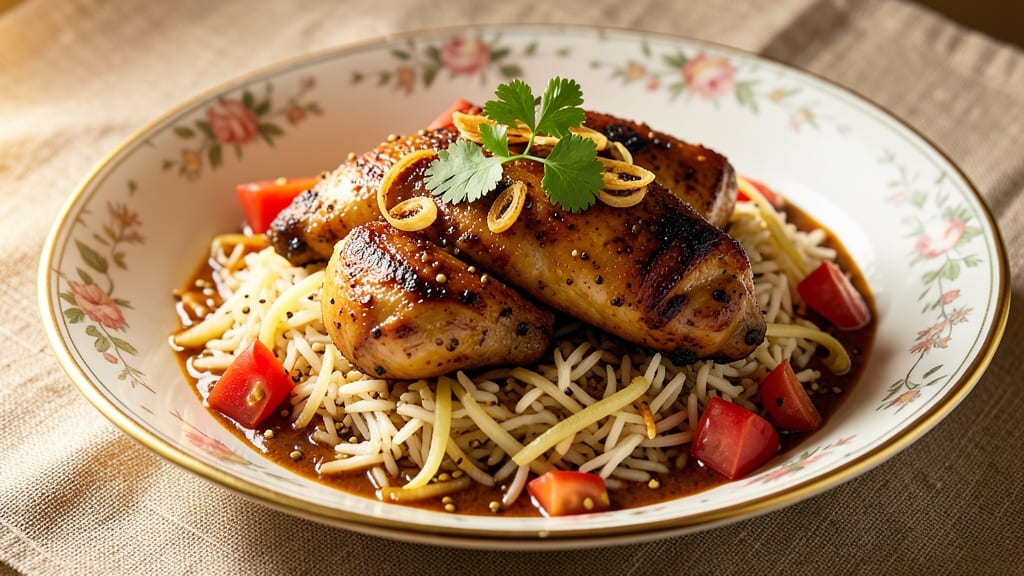
This chicken masala rice recipe brings bold Indian flavors to your dinner table with minimal cleanup. 🌟 After years of perfecting restaurant-style techniques at home, I've simplified the process without sacrificing depth—fragrant basmati rice, tender chicken, and aromatic spices all cook together in one pot.
The secret lies in layering spices properly: toast whole cumin and cardamom until fragrant, then build the sauce with tomatoes, ginger, and garlic before adding the chicken.
Long-grain basmati rice absorbs the rich masala as it cooks, creating a dish where every bite delivers perfect balance of heat, sweetness, and savory depth.
What you'll end up with is restaurant-quality chicken masala rice where the chicken stays juicy, the rice remains separate but infused with flavor, and the sauce coats every grain. The aromatic spices create a fragrant cloud that transforms any meal into an experience.
Serve with a dollop of yogurt or fresh cilantro to cool the palate. This recipe delivers authentic Indian flavors with modern convenience—perfect for weeknight dinners or special occasions when you want bold, satisfying flavors without the fuss.
Ingredients for chicken masala rice
One-pot magic starts with these fragrant Indian spices and tender chicken pieces.
| Ingredient | Amount | Notes |
|---|---|---|
| Boneless, Skinless Chicken Thighs 🍗 | 1 ½ lb | Cut into bite-sized pieces |
| Long-Grain Basmati Rice 🍚 | 1 ½ cups | Uncooked, rinsed well |
| Canned Diced Tomatoes 🍅 | 1 can | San Marzano preferred |
| Fresh Ginger 🧄 | ½ inch | Peeled, grated finely |
| Garlic Cloves 🧄 | 6 cloves | Peeled, minced |
| Whole Cumin Seeds 🌶️ | 1 ½ tbsp | Toasted until fragrant |
| Green Cardamom Pods 🌿 | 8 whole | Lightly crushed |
| Ground Coriander 🌿 | 1 tbsp | Freshly ground preferred |
| Garam Masala Powder 🌶️ | 1 ½ tbsp | Store-bought or homemade |
| Turmeric Powder 🧂 | ½ tsp | Bright yellow color |
| Red Chili Powder 🌶️ | 1 tsp | Adjust for heat preference |
| Coconut Milk 🥥 | ½ cup | Full-fat for creaminess |
| Plain Yogurt 🥛 | ¼ cup | For serving, optional |
| Fresh Cilantro 🌿 | ¼ cup | Chopped, for garnish |
| Vegetable Oil 🫒 | 3 tbsp | High smoke point |
The spices are where the magic happens. Whole cumin seeds and cardamom pods need to be toasted until fragrant—this makes all the difference. Penzeys or Indian grocery stores carry the best quality, but the regular grocery store works too. Look for vibrant colors: green cardamom should be bright, and your ginger should be firm with no soft spots. The garam masala? Homemade is ideal, but store-bought blends like MDH or Everest are solid shortcuts. If you're using fresh ginger, peel it all at once—it dries out fast.
No cardamom pods? Ground cardamom at half the amount works in a pinch. Short on coconut milk? Heavy cream or extra yogurt adds richness. The tomatoes can be fresh too—just chop them finely. For extra heat, add fresh red chili or cayenne. The chicken thighs are key here—they stay juicy while the rice cooks up fluffy. If you're using chicken breast, pound it thin and marinate it first. The basmati rice? Rinse it until the water runs clear—this keeps it separate and fluffy.
This dish tastes even better the next day as flavors meld. Store leftovers in an airtight container for up to 4 days in the fridge. For longer storage, freeze portions for 3 months. I always double the recipe—one for dinner, one for lunches. The spices lose potency after opening, so transfer them to airtight containers once opened. Fresh cilantro? Wrap it in damp paper towels and store in a bag for 5 days—it keeps its color and flavor longer.
Why You'll Love This Recipe
- One-Pot Magic: I swear by this recipe when I’m too tired to scrub a million dishes—just brown the chicken, toss in the rice and tomatoes, then let it simmer. The ginger and garlic seep into everything, so you get flavor without the fuss.
- Flavor Bomb: That first bite of tender chicken with the rice soaking up the spiced tomato sauce? It’s the kind of dish that makes you pause mid-bite. The garlic and ginger hit just right, but the canned tomatoes add a sweetness that balances everything—no burnt spices here.
- Lunchbox Hero: Between us, this is my go-to for meal prep. The rice stays firm, the chicken stays juicy, and it reheats like a dream. Pack it in containers, and you’ve got a satisfying lunch that doesn’t taste like it came from a microwave.
- Budget Win: Chicken thighs are forgiving and cheap, basmati rice lasts forever, and a can of tomatoes stretches the flavor without breaking the bank. I’ve made this for under $10 for four servings—and still had leftovers for another meal.
Step-by-step instructions for chicken masala rice
Here's how to make this aromatic one-pot wonder—spiced to perfection with tender chicken and fragrant rice.
🔥 Step 1: Toast the Whole Spices and Sear the Chicken
Heat the 3 tablespoons vegetable oil in a large, heavy-bottomed pot over medium heat. Add the 1.5 tablespoons whole cumin seeds and 8 whole green cardamom pods—they should sizzle and release their aroma within 30 seconds. Watch closely so they don't burn, as toasted spices add depth to the dish.
Push the spices to the sides and add the 1.5 lb boneless, skinless chicken thighs, cut into bite-sized pieces. Cook for 5-6 minutes until the chicken turns opaque and develops a light golden crust. Stir occasionally so it browns evenly. This step builds the flavor foundation, so don't rush it.
🍳 Step 2: Build the Spice Base and Add Rice
Add the 6 cloves minced garlic cloves and 0.5 inch finely grated fresh ginger to the pot. Cook for 30 seconds until fragrant—this releases their essential oils and prevents raw flavors. Then add the 1 tablespoon ground coriander, 1.5 tablespoons garam masala powder, 0.5 teaspoon turmeric powder, and 1 teaspoon red chili powder. Stir vigorously for 1 minute to toast the spices and distribute them evenly.
Pour in the 1.5 cups rinsed long-grain basmati rice and stir to coat each grain with the spice mixture. This ensures every bite has that signature masala flavor. Add the 1 can diced tomatoes (with juices) and stir again. The tomatoes will help create a rich, slightly tangy sauce that balances the spices.
🥘 Step 3: Simmer the One-Pot Mixture
Add 2 cups water to the pot and bring to a gentle boil. Once boiling, reduce heat to low-medium and cover with a tight-fitting lid. Let it simmer for 15 minutes without peeking—this allows the rice to absorb the liquid and the chicken to cook through. You'll know it's ready when the rice is tender and the liquid has mostly evaporated.
After 15 minutes, stir the pot gently and check the rice. If it's still slightly firm, add ¼ cup hot water and cook for another 5 minutes covered. The rice should be tender but still have a slight bite—this ensures it doesn't turn mushy. The chicken should be cooked through with no pink remaining in the center.
🍳 Step 4: Finish with Coconut Milk and Rest
Stir in the 0.5 cup coconut milk and simmer uncovered for 3-4 minutes on low heat. This adds a creamy richness that balances the spices. Taste and adjust seasoning—add a pinch more salt if needed, or a dash of chili powder for extra heat. The dish should be fragrant, spicy, and perfectly balanced.
Remove from heat and let it rest, covered, for 5 minutes. This allows the flavors to meld and the rice to finish absorbing any remaining liquid. Fluff the rice gently with a fork before serving. Garnish with 0.25 cup chopped fresh cilantro and serve with a dollop of 0.25 cup plain yogurt on the side if desired.
Pro Tips For Making Chicken Masala Rice
- CRISP THE GINGER-GARLIC: Start by mincing the fresh ginger and garlic very finely—almost like a paste—so they dissolve into the oil instead of sitting as chunks. I used to leave them in larger pieces, and they’d just sit there, uncooked, while everything else caramelized.
- SALT THE CHICKEN FIRST: Toss the chicken thighs with salt and let them sit uncovered for 15 minutes before cooking. This guarantees they’ll stay juicy and absorb the masala flavors deeper—no more dry, flavorless bites.
- DON’T SKIP THE TOMATO COOK: Simmer the canned diced tomatoes with the masala paste for at least 5 minutes until they break down into a thick, glossy sauce. Rushing this step leaves you with a watery, bland base—trust me, the extra time pays off.
- USE HALF THE RICE: For every cup of basmati rice, use only 1.5 cups of water instead of 2. The rice will still cook through but stay firm, soaking up the chicken’s rich masala instead of turning mushy. (Yes, even if the recipe says otherwise.)
Regional styles of this chicken masala rice
Indian Subcontinent Roots
This dish traces back to the vibrant street food culture of North India and Pakistan, where chicken masala was traditionally cooked in clay pots over charcoal fires.
The one-pot adaptation we use today comes from home cooks who wanted to simplify the process while keeping the fragrant spice layers intact.
In Hyderabad, it's often served with mirchi ka salan (chili pickle) to cut through the richness, while in Delhi, it's paired with naan bread for dipping.
The basmati rice we use became popular in the 19th century when British colonizers introduced it to the region—its long grains hold up perfectly to the spicy sauce. 🌶️
Modern Fusion Twists
While the classic version relies on whole spices and slow cooking, modern adaptations have embraced shortcuts without sacrificing flavor. I love adding 1 tbsp of mango powder (amchur) for a bright, tangy contrast that balances the heat—it's a trick I picked up from Goan restaurants in Mumbai.
For a South Indian twist, swap garam masala for curry leaves and black pepper, then finish with coconut milk instead of cream. In Americanized versions, you'll often find Greek yogurt replacing coconut milk for a milder flavor profile.
The key is keeping the spice toast step—it's what makes the difference between good and extraordinary.
Pakistani Pulao Influence
The one-pot technique we use here is heavily influenced by Pakistani pulao, where rice and protein cook together in a single pot. In Lahore, they use whole spices like bay leaves and cloves that we often omit in Western recipes.
For an authentic touch, add 1-inch cinnamon stick and 2 cloves when toasting the spices—these add warmth without overpowering. The Pakistani version also incorporates dried plums (anardana) for a sweet-savory depth.
I've found that adding ½ cup chopped dried plums during the simmering stage creates a complex, layered flavor that's worth the extra effort. The dish becomes even more fragrant when served with raita (yogurt with cucumber and mint).
Bangladeshi Biryani Adaptation
In Bangladesh, this dish takes on biryani characteristics where the rice is partially cooked before layering with marinated chicken. For a biryani-style twist, parboil the rice until 70% cooked, then layer it with the chicken and spices in a heavy pot.
After the first 10 minutes of cooking, seal the pot with a tight lid and cook on low heat for 20 minutes to steam the layers. The result is fragrant, slightly sticky rice with chicken infused throughout.
I've also seen versions where saffron-infused milk is drizzled over the finished dish—just ½ tsp saffron threads steeped in ¼ cup warm milk adds a luxurious touch. This method works especially well in pressure cookers, where the high heat creates that signature biryani aroma in just 15 minutes.
Caribbean Jerk Fusion
For those who love bold, smoky flavors, a Caribbean jerk fusion takes chicken masala rice to another level. Replace garam masala with 2 tbsp jerk seasoning (store-bought or homemade with allspice, thyme, and Scotch bonnet peppers) and add 1 tbsp soy sauce for umami depth.
The jerk marinade should sit on the chicken for at least 30 minutes before cooking. After the initial sear, add 1 tbsp grated ginger, 1 tbsp minced scallions, and 1 tbsp tomato paste for extra richness.
Finish with ½ cup pineapple juice instead of coconut milk to cut through the heat. Serve with lime wedges and toasted coconut flakes for a tropical twist that's perfect for summer dinners. 🌴
Middle Eastern Lamb Swap
While chicken is traditional, Middle Eastern versions often use lamb shanks for a richer, meatier texture. Swap the chicken for 1.5 lb lamb shoulder, cut into 1-inch cubes, and increase the cooking time to 25 minutes on low heat.
Add 1 tsp ground cinnamon and ½ tsp black pepper to the spice blend for warmth. The lamb releases collagen during cooking, creating a silky sauce that coats the rice beautifully.
For an extra layer of flavor, add ½ cup chopped dates during the last 5 minutes of cooking—they caramelize slightly and add a sweet contrast to the savory spices. This version pairs wonderfully with warm pita bread and tzatziki sauce for dipping.
The lamb version feels especially festive and works well for holiday gatherings.
Nutrition facts
Frequently asked questions
Can I use chicken breast instead of thighs?
Yes, but with adjustments! Chicken breast cooks faster and can dry out. Pound the breasts to ¼-inch thickness and marinate for 30 minutes in yogurt with spices. Cook for only 4-5 minutes when searing, then proceed with the recipe. Add ¼ cup water during simmering to prevent drying.
How do I make this dish less spicy?
Reduce the red chili powder to ½ teaspoon or omit it entirely. For extra mildness, add ½ cup plain yogurt at the end to cool the heat. If using fresh chili, remove seeds before chopping. Always taste as you go—you can adjust heat at any stage!
What if my rice turns out mushy?
This happens when rice absorbs too much liquid. Next time, use 1.75 cups water instead of 2 cups and check rice at 12 minutes. If still mushy, spread on a tray to cool—it'll firm up. For extra insurance, rinse rice 3 times before cooking to remove excess starch.
Can I make this in a slow cooker?
Brown chicken first, then transfer everything to the slow cooker with 1.5 cups water. Cook on Low for 4 hours or High for 2 hours. Add coconut milk in the last 30 minutes to prevent curdling. The slow cooker makes the flavors even deeper!
What's the best way to store leftovers?
Cool completely, then store in an airtight container for up to 4 days in the fridge. For longer storage, freeze portions for 3 months. Reheat gently with 2 tbsp water per cup to prevent drying. The flavors actually improve after 24 hours as spices meld!