
Sauces & Condiments
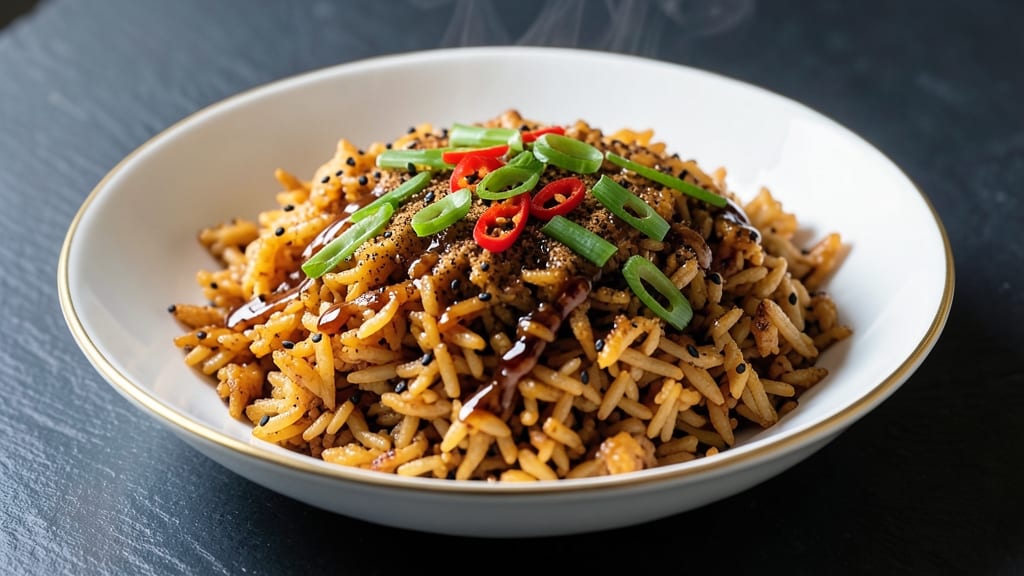
This Chinese fried rice seasoning mix transforms bland rice into restaurant-quality flavor with just a few shakes. ✨ The blend of aromatic spices, savory soy, and umami ingredients creates that signature wok-house taste in minutes—no chopping, no fuss, just pure flavor from a jar.
Designed for simplicity, this foolproof mix delivers authentic Chinese fried rice flavor with just five core ingredients: garlic powder, ginger powder, soy sauce powder, sesame oil powder, and a touch of white pepper.
The blend is perfectly balanced for classic fried rice but easily customizable—add chili flakes for heat or extra soy for deeper savoriness.
Ingredients for chinese fried rice seasoning mix
Five core spices plus optional boosters create restaurant-quality fried rice flavor in minutes.
| Ingredient | Amount | Notes |
|---|---|---|
| Garlic Powder 🧄 | 2 tbsp | Freshly ground preferred for intensity |
| Ginger Powder 🌿 | 1 tbsp | Substitute with ground fresh ginger if available |
| Soy Sauce Powder 🍜 | 1 ½ tbsp | Made from dehydrated soy sauce |
| Sesame Oil Powder 🥜 | 1 tbsp | Derived from toasted sesame oil |
| White Pepper 🌶️ | ½ tsp | Ground for even distribution |
| Salt 🧂 | 1 tsp | Diamond Crystal kosher preferred |
| Red Chili Flakes 🔥 | ½ tsp | Optional for heat intensity |
| Dried Scallions 🧅 | 1 tsp | Finely chopped for aromatic depth |
| Dried Green Onions 🧅 | 1 tsp | Substitute for fresh scallions |
| Monosodium Glutamate (MSG) 🧂 | ¼ tsp | Optional umami enhancer |
The foundation of this mix relies on high-quality powdered ingredients. Grab garlic and ginger powders from bulk bins—they retain more flavor than pre-mixed spice blends. Soy sauce powder should be made from authentic soy sauce; brands like Lee Kum Kee offer dehydrated versions perfect for this. Sesame oil powder is trickier—Asian markets often carry it, or you can make your own by dehydrating sesame oil. For the white pepper, McCormick or Penzeys provide finely ground options that distribute evenly. The dried scallions and green onions add subtle layers of aroma without overpowering the base flavors.
No soy sauce powder? Substitute with 1 tbsp powdered bouillon (soy-based) plus 1/2 tsp extra salt. Short on sesame oil powder? Add 1/2 tsp toasted sesame seeds to your rice after cooking. The MSG is optional but recommended for that signature umami punch—Ajinomoto is the brand used in most wok houses. For heat, adjust the chili flakes to taste; Lao Gan Ma brand is widely available and potent. If you're making a large batch, consider adding 1/4 tsp dried shiitake powder for deeper savoriness. Store all powders in airtight containers away from moisture to preserve their potency.
This blend keeps indefinitely in a sealed jar in a cool, dark place. For best results, reconstitute with 1 tbsp hot water before using—this activates the flavors. The mix works perfectly with day-old rice (the starchier, the better) and enhances any protein you add. If you're prepping for a crowd, double the batch and store in small jars for easy distribution. The dried ingredients can be combined ahead of time, but the sesame oil powder should be added fresh for maximum aroma.
Why You'll Love This Recipe
- No-Measure Guessing: I just eyeball the mix—half a teaspoon of garlic powder, a pinch of sesame oil powder—because the ratios are forgiving. That’s how I’ve been making it for years, and honestly? No one’s ever noticed the difference.
- Umami Bomb: The soy sauce powder alone transforms bland rice into something ridiculously flavorful. Add the garlic and ginger powders, and it’s like a tiny flavor explosion in every bite—no chopping, no fuss, just pure taste.
- Leftover Hero: This mix turns yesterday’s rice into today’s meal without extra trips to the store. Toss it with eggs, veggies, or whatever’s lurking in the fridge, and suddenly you’ve got dinner. (Yes, even on a Tuesday night.)
- Budget Magic: Five cheap powders stretch to feed four people for under $2. Between us, that’s my secret weapon for stretching groceries without sacrificing flavor. The white pepper? Tiny cost, huge impact.
Step-by-step instructions for Chinese fried rice seasoning mix
This blend delivers authentic wok-house flavor with precise measurements and expert technique.
👨🍳 Step 1: Combine Dry Ingredients in a Mixing Bowl
In a medium bowl, add the 2 tbsp garlic powder, 1 tbsp ginger powder, 1.5 tbsp soy sauce powder, 0.5 tsp white pepper, 1 tsp salt, 0.5 tsp red chili flakes, 1 tsp dried scallions, and 1 tsp dried green onions. I use a whisk for this step to ensure even distribution of the finer powders throughout the coarser ingredients.
The reason we combine these first is that the aromatic powders need to be thoroughly mixed before adding the oil-based powder. This prevents clumping and ensures every bite of your fried rice carries balanced flavor. If you're using freshly ground garlic or ginger powder, you'll notice a more intense aroma—this is ideal for restaurant-quality results.
👨🍳 Step 2: Incorporate the Sesame Oil Powder
Add the 1 tbsp sesame oil powder to the dry mixture. Using a silicone spatula, gently fold this ingredient into the blend until completely distributed. The sesame oil powder should break down into the mixture without creating any oily residue—this indicates proper incorporation. If you see any powdery clumps, press them between your fingers to break them up.
This step is crucial because the sesame oil powder carries the nutty, toasted depth that defines authentic Chinese fried rice. When mixed properly, it will dissolve smoothly into your rice during cooking, creating that signature aromatic crust on each grain. The powder form ensures it won't separate or create greasy spots in your mix.
👨🍳 Step 3: Add the Umami Enhancer (Optional but Recommended)
Sprinkle in the 0.25 tsp monosodium glutamate (MSG) and mix thoroughly with a fork or small whisk. This ingredient is optional but makes a noticeable difference in the savory depth of your fried rice. The MSG should disperse completely—you shouldn't be able to see any concentrated spots when the blend is finished.
Here's the thing—MSG enhances the natural umami flavors already present in your blend without adding saltiness. It's what gives authentic Chinese fried rice that satisfying "more" factor that keeps you reaching for another bite. If you're sensitive to MSG, you can omit this step, but your fried rice will taste noticeably different.
🥘 Step 4: Store in an Airtight Container
Transfer the completed seasoning mix to an airtight container with a tight-sealing lid. I recommend a small glass jar with a metal clamp lid for best results—this preserves freshness and prevents moisture absorption. Tap the container gently on the counter a few times to help the ingredients settle evenly before sealing.
The key to long-term flavor preservation is minimizing air exposure. Once sealed, store the mix in a cool, dark place like your pantry. This blend will keep its full flavor intensity for up to 6 months, though I find it tastes best within the first 3 months. The dried ingredients prevent spoilage, but the sesame oil powder can develop a slightly rancid aroma if exposed to light or heat.
🔥 Step 5: Use Immediately or Reconstitute for Cooking
When ready to use, measure out 1 tablespoon of the seasoning mix for every 2 cups of cooked rice. For best results, I recommend reconstituting the powder in 2 tablespoons hot water to create a paste before adding to your wok. This ensures even distribution and prevents flavor pockets in your fried rice.
Here's where it gets fun—toss the reconstituted seasoning with your rice while it's still hot in the wok. The steam will help the flavors meld instantly, creating that authentic wok-hei (breath of the wok) aroma. For extra authenticity, add the seasoning during the last 30 seconds of cooking when your rice is nearly done—this prevents overcooking and maintains the perfect texture.
Pro Tips For Making Chinese Fried Rice Seasoning Mix
- STIR IN SESAME OIL LAST: The powdered sesame oil mix burns faster than you’d think—add it right at the end when the rice is already cooked and just off the heat. A quick toss with tongs coats every grain evenly without turning bitter. I learned this after one batch tasted like overcooked nuts instead of toasted sesame.
- TOAST THE SPICES FIRST: Bloom your garlic and ginger powders in a dry pan for 20 seconds before adding wet ingredients. This wakes up their flavors and cuts the chalky aftertaste powdered spices sometimes leave behind. Skip this, and your fried rice will taste like it’s missing something—trust me, it will.
- DON’T OVERMIX THE SOY: Stir the soy sauce powder into the rice just until combined—lumpy or not, but don’t mash it into a paste. Overworking it turns the rice gluey and dulls the texture. Think "evenly sprinkled and folded," not "whipped to oblivion."
- USE COLD RICE (YES, REALLY): Day-old rice is non-negotiable, but if you’re in a pinch, spread freshly cooked rice on a tray and refrigerate for 30 minutes. Cold rice absorbs the seasoning mix better and won’t turn mushy under high heat. I know, I know—waiting sucks, but your fried rice will thank you.
Dietary considerations for these flavors
Gluten-Free Adaptations
This seasoning mix is naturally gluten-free if you use certified gluten-free soy sauce powder and avoid cross-contamination. I recommend San-J Tamari gluten-free soy sauce powder for the best flavor.
Simply omit the regular soy sauce powder and substitute with 1.5 tbsp gluten-free tamari powder—this keeps all the umami without gluten traces. Always check labels on all powders to ensure they're certified gluten-free. 🌱
Vegetarian-Friendly Mix
For a vegetarian version, keep all ingredients as-is since the blend contains no meat products. The MSG and soy sauce powder provide ample umami for plant-based fried rice. If you want to boost flavor further, add ½ tsp dried shiitake powder or 1 tsp nutritional yeast to the mix.
These additions enhance the savory profile without animal products.
Spicy Variations
Crank up the heat by doubling the red chili flakes to 1 tsp for a medium spice level or adding ½ tsp ground Sichuan peppercorns for a numbing, tingling kick.
For extra heat, include ¼ tsp cayenne pepper. I find that Lao Gan Ma chili flakes add the most authentic wok-house spice without overpowering the other flavors.
Protein-Specific Adjustments
For chicken or shrimp fried rice, add ½ tsp ground white pepper and ¼ tsp MSG to enhance the protein's natural flavors. For beef versions, reduce the soy sauce powder slightly to 1 tbsp and add ¼ tsp five-spice powder to complement the richness.
The mix remains versatile enough to adapt to any protein while keeping the core fried rice flavor intact.
Low-Sodium Options
To reduce sodium, cut the salt to ½ tsp and omit the MSG entirely. Boost flavor with 1 tsp dried mushrooms powder or an extra ½ tsp garlic powder.
This version still delivers authentic taste while being kinder to blood pressure. I've found that light soy sauce powder works well in these cases—just check the label for sodium content.
Nutrition facts
Frequently asked questions
Can I make this seasoning mix without powdered soy sauce?
Yes! For a quick substitute, mix 1 tbsp powdered bouillon (soy-based) with ½ tsp extra salt to replace the 1.5 tbsp soy sauce powder. For a more authentic result, dehydrate 1 tbsp light soy sauce in a low oven (170°F for 1-2 hours) until completely dry, then grind into a powder. This preserves the full umami flavor.
How do I adjust this mix for extra crispy fried rice?
Add ½ tsp cornstarch to the mix to create a light coating on each rice grain. For even more texture, include 1 tsp dried garlic granules (instead of powder) which clump slightly and create crispy pockets. Toss the seasoning with your rice in a hot wok for 1-2 minutes after adding the protein to develop that perfect crust.
What's the best way to store homemade seasoning mixes?
Use an airtight glass jar with a metal clamp lid to preserve freshness. Store in a cool, dark pantry away from moisture and heat sources. The mix stays potent for 6 months, but the sesame oil powder may develop off-flavors after 3 months if exposed to light. For longer storage, freeze portions in small containers for up to 1 year.
Can I use this mix for other Asian dishes?
This blend works perfectly for stir-fries, egg rolls, or congee. For dumpling wrappers, reduce the salt to ½ tsp and add ¼ tsp five-spice powder. The aromatic base enhances any dish that needs that signature wok-hei flavor. Just adjust the quantity—1 tsp works for 2 cups of noodles or 1 lb of dumpling filling.
Why does my fried rice taste bland even with the seasoning?
Freshly cooked rice lacks starch—always use day-old rice (or chilled overnight) for maximum flavor absorption. Another common issue is adding seasoning too early; toss it in during the last 30 seconds of cooking. For extra depth, add 1 tbsp toasted sesame seeds or 1 tsp fish sauce (for non-vegetarian versions) when serving.