
Main Courses
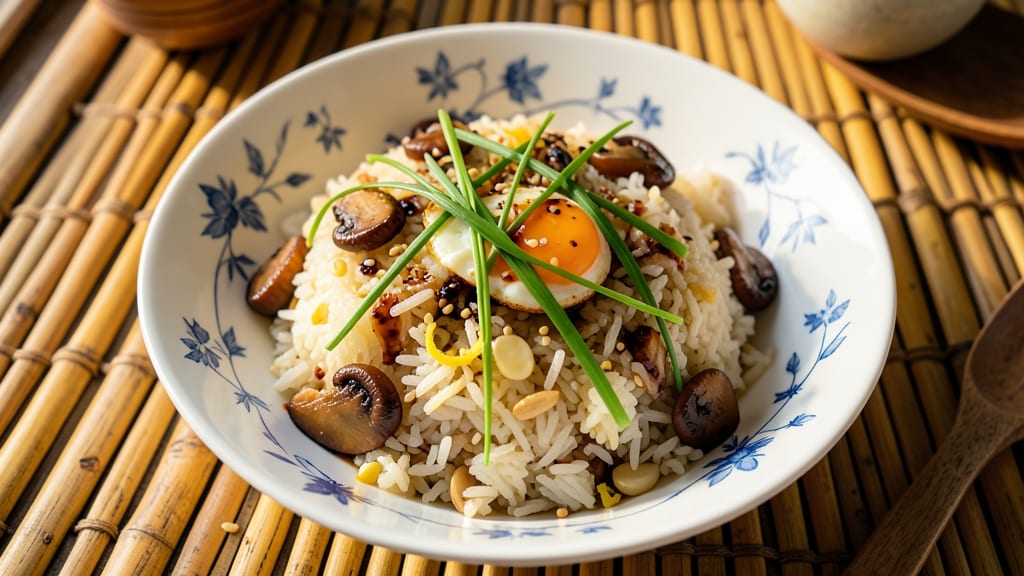
This Chinese mushroom fried rice recipe delivers restaurant-quality wok-heated flavor with every bite, combining umami-packed shiitake mushrooms and perfectly scrambled eggs. The secret lies in high-heat stir-frying and proper rice texture—neither too dry nor soggy.
I developed this version after years of perfecting the balance between smoky wok aroma and tender ingredients, ensuring each component maintains its integrity while coming together harmoniously.
What sets this dish apart is the technique: first toasting the mushrooms to deepen their earthy flavor, then frying the eggs separately for maximum creaminess before combining everything in the wok.
The result is a fragrant, savory dish where each ingredient—mushrooms, eggs, rice, and aromatics—shines while working together in perfect harmony. Ready in just 20 minutes, this recipe transforms simple pantry staples into a satisfying meal that feels like a home-cooked version of your favorite takeout.
Ingredients for chinese mushroom fried rice
Four cups of fragrant jasmine rice and six shiitake mushrooms kick off this umami-rich fried rice experience.
| Ingredient | Amount | Notes |
|---|---|---|
| Day-Old Jasmine Rice 🍚 | 4 cups | Cold, dry, uncooked grains preferred |
| Dried Shiitake Mushrooms 🍄 | 6 whole | Rehydrated in hot water |
| Large Eggs 🥚 | 4 whole | Room temperature for even cooking |
| Green Onions 🧅 | ½ cup | White and green parts separated |
| Garlic Cloves 🧄 | 4 cloves | Minced for aromatic depth |
| Fresh Ginger 🌿 | 1 tbsp | Finely grated, aromatic punch |
| Light Soy Sauce 🍶 | 3 tbsp | Kikkoman preferred for balance |
| Dark Soy Sauce 🍶 | 1 tbsp | For rich color and depth |
| Sesame Oil 🫒 | 1 tbsp | Toasted for nutty aroma |
| Vegetable Oil 🫒 | 3 tbsp | High smoke point preferred |
| White Pepper 🌶️ | ¼ tsp | Freshly ground for subtle heat |
| Diamond Crystal Kosher Salt 🧂 | ½ tsp | Adjust to taste |
| Sesame Seeds 🌱 | 1 tbsp | Toasted for garnish |
The foundation begins with day-old jasmine rice—freshly cooked rice steams rather than fries, ruining texture. Look for long-grain jasmine rice at Whole Foods or Asian markets for optimal starch content. Dried shiitake mushrooms are essential; fresh lack the concentrated umami. Rehydrate them in hot water for 10 minutes, reserving the soaking liquid for extra depth. Kikkoman light soy sauce provides the perfect balance of saltiness without overpowering, while dark soy sauce delivers that signature restaurant color. For garlic and ginger, freshly minced is non-negotiable—pre-minced loses potency quickly.
No shiitake mushrooms? Oyster mushrooms or cremini work in a pinch, though texture differs slightly. Substitute white miso paste (1 tsp) for soy sauce if needed, but taste first—miso packs a punch. Sesame oil should be toasted, not the cheap, flavorless kind. High-smoke-point vegetable oil (like avocado or grapeseed) prevents burning during high-heat stir-frying. Green onions can be swapped for scallions, but white and green parts must stay separate—white cooks first, greens finish last for color. The eggs deserve special attention: room temperature ensures even cooking, and fresh eggs hold shape better during scrambling.
Store rehydrated mushrooms in their soaking liquid in an airtight container for up to 5 days. Day-old rice keeps in the fridge for 3 days if sealed tightly. Sesame seeds stay fresh for 6 months in a dark cabinet, while soy sauces last indefinitely. For meal prep, fry the rice ahead and reheat with a splash of water—2 minutes in a wok restores crispiness. Garnish with toasted sesame seeds just before serving to preserve their nutty aroma.
Why You'll Love This Recipe
- No-Chop Night Saver: I keep a stash of dried shiitake in my pantry—just rehydrate while I scramble the eggs, and boom. The mushrooms add meaty texture with zero prep, while the garlic and onions sizzle in minutes. Honestly, this is the kind of dish that makes me feel like I’ve earned my takeout cravings.
- Umami Bomb: That first bite of crispy rice with rehydrated shiitake? It’s like a flavor explosion—earthy, savory, with a hint of smoky depth. The eggs add richness, but the real star is how the garlic and green onions brighten everything up without overpowering. I’ll be real: my picky-eater husband asks for seconds.
- Lunchbox Hero: Pack this for work or school—it reheats like a dream and stays flavorful for days. The day-old rice is key; it’s already dry enough to sear properly, and the shiitake holds up even when cold. Between us, I’ve sent this in thermoses more times than I can count. (Yes, even on a Tuesday night.)
- Pantry Magic: Dried shiitake and jasmine rice last forever, and eggs? Always in the fridge. This recipe costs me pennies per serving but tastes like I spent hours in the kitchen. Plus, the leftovers? They’re my go-to when I’m too tired to cook—just toss in a little soy sauce and heat it up. Solid. Reliable. My secret weapon.
Step-by-step instructions for Chinese mushroom fried rice
Mastering this wok technique delivers restaurant-quality texture and flavor every time.
Rehydrate and Prepare the Shiitake Mushrooms
Place the 6 whole dried shiitake mushrooms in a heatproof bowl and cover with hot water. Let them soak for 20 minutes until they've absorbed the water and expanded to about 3 times their original size. Drain well and finely chop the rehydrated mushrooms, removing any tough stems. The mushrooms should yield about 1 cup of chopped pieces - this umami-rich base forms the flavor foundation of your fried rice.
While the mushrooms rehydrate, separate the 0.5 cup green onions into white and green parts. Finely slice the white portions for cooking and leave the green parts whole for garnish. Also, mince the 4 cloves garlic cloves and finely grate the 1 tablespoon fresh ginger. These aromatics will develop deep flavor when cooked with the mushrooms.
Create the Egg and Seasoning Mixture
In a medium bowl, whisk together the 4 whole large eggs until the yolks and whites are fully combined. Season with the 0.5 teaspoon diamond crystal kosher salt and 0.25 teaspoon white pepper. This seasoning will infuse the eggs with subtle heat and balance their richness. Let the egg mixture sit at room temperature while you prepare the wok.
In a small bowl, combine the 3 tablespoons light soy sauce, 1 tablespoon dark soy sauce, and 1 tablespoon sesame oil. The dark soy sauce adds beautiful color while maintaining the umami depth from the light variety. Keep this mixture separate until needed - adding it too early would make your rice soggy.
Cook the Eggs and Aromatics
Heat a wok or large skillet over high heat until it's smoking hot. Add 1 tablespoon of the vegetable oil and swirl to coat. Pour in the egg mixture and let it sit undisturbed for 10 seconds until the edges begin to set. Then gently push the eggs together with a spatula, creating soft curds while keeping them tender. Remove the eggs and set aside on a warm plate.
Add the remaining 2 tablespoons vegetable oil to the wok. When the oil is shimmering, add the chopped mushrooms and cook for 2-3 minutes until they release their moisture and begin to brown. Add the minced garlic and grated ginger, cooking for 30 seconds until fragrant. The mushrooms should be tender but still retain some texture - overcooking will make them mushy.
Stir-Fry the Rice
Add the 4 cups day-old jasmine rice to the wok in a single layer. Use a spatula to break up any large clumps while distributing the rice evenly. Cook for 2 minutes, stirring constantly, until the rice begins to take on color from the caramelized mushrooms and aromatics.
Pour the soy sauce mixture over the rice and stir vigorously for 1-2 minutes until the rice is evenly coated and the sauce is absorbed. The rice should be hot throughout and slightly sticky from the sauce. If it appears dry, add 1-2 tablespoons of water and continue cooking until the moisture evaporates. This is where the magic happens - proper technique creates that signature wok-hei flavor.
Combine and Finish
Return the cooked eggs to the wok and gently fold them into the rice using a spatula. Add the sliced white parts of the green onions and toss everything together for another 1-2 minutes. The eggs should be heated through but still maintain their creamy texture. Taste and adjust seasoning if needed - you may need a touch more soy sauce for balance.
Transfer the fried rice to serving plates and garnish immediately with the whole green onion tops and 1 tablespoon toasted sesame seeds. Serve hot while the rice maintains its perfect texture. The dish should have vibrant color from the dark soy sauce, tender mushrooms, creamy eggs, and fragrant aromatics throughout each bite.
Pro Tips For Making Chinese Mushroom Fried Rice
- STIR-FRY THE MUSHROOMS FIRST: I learned this the hard way—throwing dried shiitakes in with everything else means they’ll just soak up moisture and turn soggy. Rehydrate them in hot water for 10 minutes, then pat very dry before stir-frying for 2-3 minutes in oil until they release their umami. That concentrated flavor is what makes the dish sing.
- USE COLD RICE: Day-old rice is non-negotiable, but here’s the trick: spread it on a tray and refrigerate for 30 minutes after cooking. Cold rice breaks apart better and absorbs the sauce like a sponge. Skip this, and you’ll end up with a gluey mess no matter how much you stir.
- SCRAMBLE EGGS SEPARATELY: I was skeptical until I tried it—cooking the eggs in a separate pan with a splash of water until just set (soft curds) makes all the difference. Then chop them into small pieces and fold them in at the end. That way, they stay tender instead of turning rubbery from the high heat of the rice.
- SAVE THE GREEN ONION WATER: After chopping your green onions, save the water from rinsing them—it’s packed with flavor. Add a tablespoon of it to the rice at the end for a quick brightness boost. It’s a lazy-person’s way to upgrade the dish without extra ingredients. (Yes, even if you’re impatient like me.)
Best sauces and condiments for these flavors
Classic Soy Sauce Base
The foundation of this fried rice is the soy sauce blend—3 tbsp light soy sauce for umami depth and 1 tbsp dark soy sauce for that signature restaurant color. I always use Kikkoman for its balanced saltiness, but Lee Kum Kee works too.
The key is adding this mixture at the end of stir-frying to prevent soggy rice. A splash of toasted sesame oil (just 1 tbsp) finishes the sauce, adding nutty aroma without overpowering. 🍶
Umami Boosters
For extra depth, stir in 1 tsp white miso paste with the soy sauce—it enhances the mushrooms' earthiness. If you have shiitake mushroom broth (from rehydrating the dried mushrooms), use 2 tbsp instead of water when stir-frying.
The reserved soaking liquid is liquid gold for umami. For a smoky twist, add ½ tsp Chinese black vinegar to brighten flavors. 🍄
Spicy Kick Options
Crank up the heat with ½ tsp chili crisp or 1 tsp sambal oelek—both add vibrant color and fiery depth. For a subtler spice, toast ½ tsp Sichuan peppercorns in the wok before adding mushrooms; their citrusy heat lingers.
Avoid overdoing it—these should complement, not dominate, the dish’s savory profile. 🌶️
Sweet-Tangy Balance
Cut through richness with 1 tsp oyster sauce (like Lee Kum Kee) or ½ tsp hoisin sauce—both add a touch of sweetness. A drizzle of chili oil (like Lao Gan Ma) right before serving ties everything together with a smoky-sweet finish.
For a fruity twist, add 1 tsp pineapple juice to the soy sauce mixture—it’s a surprising but delicious balance. 🍍
Garnish Game-Changers
Beyond sesame seeds, try crispy fried shallots for crunch or toasted peanuts for texture. A sprinkle of fresh cilantro adds brightness, while thinly sliced jalapeños bring heat.
For a luxurious touch, top with crumbled fried wonton skins—they add a crispy, savory contrast. Always garnish just before serving to preserve freshness. 🌱
Nutrition facts
Frequently asked questions
Why must I use day-old rice for fried rice?
Freshly cooked rice releases too much steam when stir-fried, making it soggy. Day-old rice has dried out slightly, allowing it to absorb flavors better and develop that perfect crisp-tender texture. For best results, refrigerate cooked rice uncovered for 30 minutes before covering to dry it out faster.
Can I substitute fresh shiitake mushrooms for dried?
Yes, but you'll need 1 cup chopped fresh shiitake (about 6 oz) instead of 6 dried mushrooms. Fresh mushrooms have more water content, so pat them dry thoroughly before cooking to prevent a watery fried rice. They won't have the same concentrated umami flavor as dried shiitake, though.
What's the secret to getting that wok-hei flavor?
Wok-hei ("breath of the wok") comes from high heat and proper technique. Use a carbon steel or cast iron wok on maximum heat, stir-fry quickly, and work in small batches. Add the soy sauce mixture at the very end when everything is hot - this creates steam that carries those smoky aromatics throughout the dish.
How do I fix fried rice that's too dry or too wet?
For dry rice, add 1-2 tablespoons water or reserved mushroom soaking liquid and stir-fry another 30 seconds until absorbed. For wet rice, spread it on a tray and bake at 300°F for 10 minutes to dry it out before reheating. The key is balancing moisture with high heat - never let the rice sit in liquid.
What protein can I add to make this vegetarian?
Try tofu (press and cube extra-firm), tempeh (marinated in soy sauce), or seitan (sliced thin). For extra texture, add crispy fried wontons or crumbled fried tofu skins. Just cook these proteins separately first - they need different heat levels than the rice.