
Sauces & Condiments
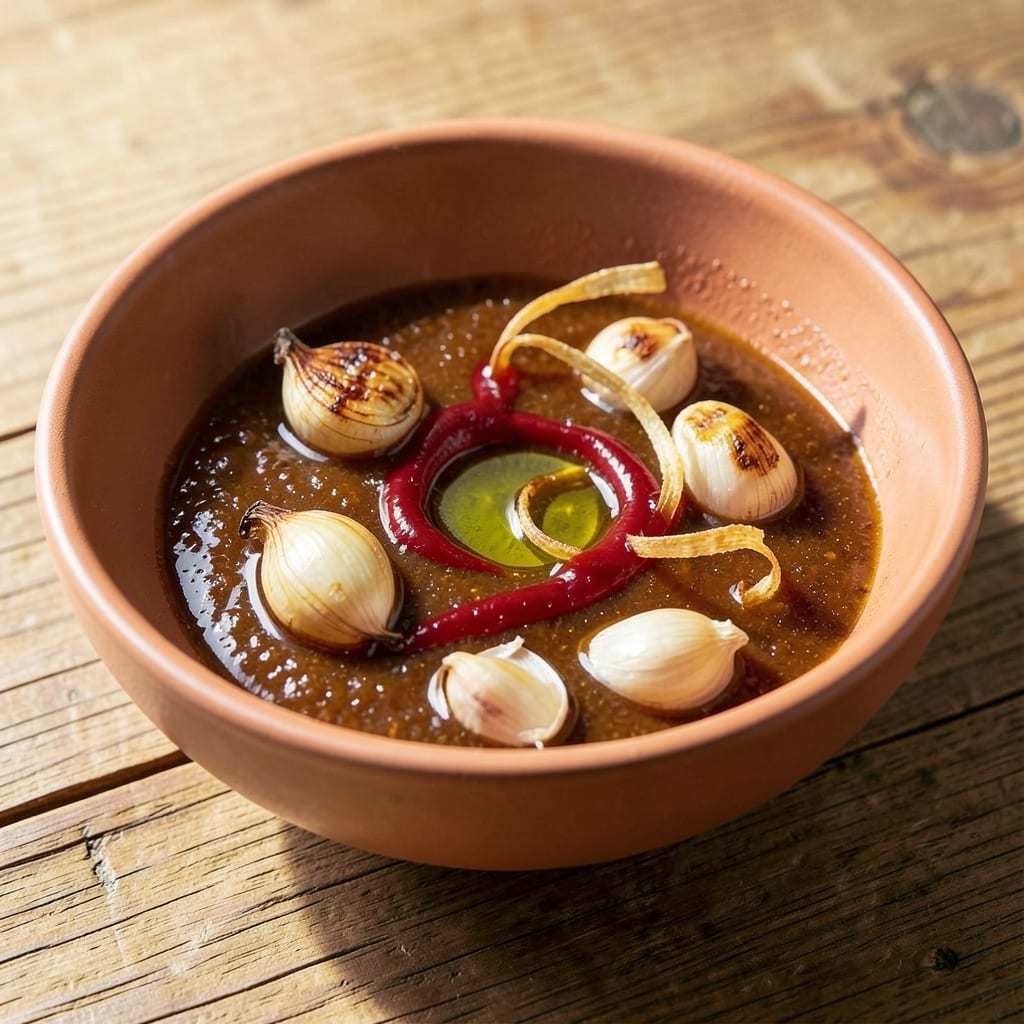
This Asian rice sauce recipe transforms simple pantry staples into a versatile, umami-rich base for stir-fries, marinades, and dips. The secret lies in balancing sweet, salty, and tangy flavors through a quick simmer—no complicated techniques required. With just 10 minutes of active time, you’ll create a sauce that elevates any dish while keeping ingredients minimal and accessible.
Perfect for home cooks who want restaurant-quality flavor without the fuss, this sauce delivers a deep, savory profile that clings to noodles, meats, and vegetables. The combination of rice vinegar, fish sauce, and a touch of sugar creates a harmonious balance, while garlic and shallots add aromatic depth. Store it in the fridge for up to 2 weeks, ready to drizzle or toss at a moment’s notice.
Ingredients for asian rice sauce
Pantry staples and aromatic essentials create this restaurant-worthy Asian rice sauce.
| Ingredient | Amount | Notes |
|---|---|---|
| White Rice Vinegar 🍶 | ½ cup | Rice vinegar, not apple cider |
| Fish Sauce 🐟 | ¼ cup | Red Boat preferred for quality |
| Dark Brown Sugar 🍚 | ¼ cup | Packed firmly for accuracy |
| Garlic Cloves 🧄 | 6 cloves | Minced finely for depth |
| Shallots 🧅 | 3 whole | Finely minced, not chopped |
| Extra-Virgin Olive Oil 🫒 | 1 tbsp | For balance and richness |
| Sesame Oil 🌿 | 1 tsp | Toasted sesame oil only |
| Fresh Ginger 🌿 | 1 tbsp | Finely grated, not minced |
| Diamond Crystal Kosher Salt 🧂 | ½ tsp | Adjust to taste after simmering |
| Water 💧 | ¼ cup | Filtered preferred for purity |
The fish sauce is non-negotiable for authentic umami—Red Boat is the gold standard, but Three Crabs works well too. Look for brands with minimal additives, as they deliver the cleanest flavor profile. Dark brown sugar adds depth beyond white sugar; Domino or Muscovado brands are excellent choices. Fresh ginger and garlic should be vibrant—no shriveled cloves or dull-colored roots. Shallots add subtle sweetness, so avoid yellowing ones. For the vinegar, Kikkoman or Mushroom brands are reliable, but any rice vinegar will suffice.
No fish sauce? Soy sauce at half the amount gets you close, though the flavor will be less complex. Substitute honey for brown sugar if needed, but reduce to 2 tablespoons to avoid over-sweetness. Sesame oil can be omitted if you dislike its nutty aroma, but it adds a signature depth. For a vegetarian version, replace fish sauce with 1 tablespoon coconut aminos plus 1 teaspoon miso paste. If you lack shallots, extra-finely minced red onion works in a pinch, though the flavor will differ slightly.
This sauce thickens as it cools, so stir well before use. Store in an airtight container in the fridge for up to 2 weeks, shaking before each use. For longer storage, freeze in ice cube trays—thaw and shake to re-emulsify. The sauce improves over time, developing deeper flavors with each day. Keep it away from strong-smelling foods to preserve its delicate balance.
Why You'll Love This Recipe
- Pantry Magic: I swear, this sauce comes together with stuff you already have—no fancy shopping trips. Just a quick minced shallot, a splash of vinegar, and a teaspoon of fish sauce (yes, it’s that simple), and suddenly your rice or noodles taste like they’re from a dim sum cart.
- Umami Bomb: That fish sauce and brown sugar combo? It’s the flavor equivalent of a warm hug. The vinegar cuts through the richness, while the garlic and shallots add a savory depth that makes every bite feel special—no complicated techniques required.
- Weeknight Wonder: Need dinner in 15 minutes? Toss this sauce over rice, drizzle it on grilled chicken, or slather it on veggie stir-fries. It’s my go-to when I’m too tired to think but still want something that tastes like I tried.
- Budget-Friendly Staple: A little goes a long way, and since these ingredients cost pennies, you’ll have enough leftovers to turn a simple meal into something extraordinary. I’ve used this sauce for days after making it—just heat it up and go.
Step-by-step instructions for Asian rice sauce
This umami-rich sauce builds layer by layer—sweet, salty, and aromatic—with precise timing for perfect balance.
Prepare the Aromatic Base
Heat the 1 tablespoon extra-virgin olive oil in a small saucepan over medium heat. Add the 3 whole shallots and 6 cloves garlic cloves (pre-minced), cooking for 3-4 minutes until the shallots turn translucent and the garlic releases its fragrance without browning. This gentle cooking prevents bitterness while developing foundational flavor.
Next, add the 1 tablespoon freshly grated ginger and stir for 1 minute until the raw aroma transforms into something warm and inviting. The ginger should melt into the oil, creating a fragrant paste. If the mixture begins to brown too quickly, reduce the heat to low. This aromatic base forms the flavor backbone of the sauce, so don't rush this step.
Build the Sauce Foundation
Pour in the 0.5 cup white rice vinegar and 0.25 cup fish sauce, stirring continuously to combine. The vinegar will initially make the mixture smell sharp, but it will mellow as the sauce simmers. Add the 0.25 cup dark brown sugar (packed) and 0.5 teaspoon kosher salt, whisking until fully dissolved. The sugar should dissolve completely—if it doesn't, add 1 tablespoon water at a time until smooth.
Bring the mixture to a gentle simmer over medium-low heat, then reduce to the lowest setting that maintains a steady bubble. Let it cook uncovered for 8-10 minutes, stirring occasionally. You're looking for a reduction where the sauce thickens slightly and the liquid clings to the back of a spoon. This step develops the sauce's depth and balances the flavors—don't walk away, as it can easily burn.
Finish with Nuance and Balance
Remove the sauce from heat and let it cool for 2 minutes. Then stir in the 1 teaspoon toasted sesame oil—this adds a nutty aroma and rich finish. Taste and adjust the balance: if it needs more umami, add a pinch more fish sauce; if it's too sharp, a touch of brown sugar helps. The sauce should harmonize sweet, salty, tangy, and savory notes without any single flavor dominating.
For best results, let the sauce rest at room temperature for 15-20 minutes before using. This allows the flavors to fully meld. Store any leftovers in an airtight container in the refrigerator for up to 1 week, or freeze for 3 months. The sauce thickens when chilled—simply reheat gently over low heat, stirring occasionally, until warmed through.
Pro Tips For Making Asian Rice Sauce
- STIR CONSTANTLY AT FIRST: The first 30 seconds after adding garlic and shallots to the pan are when they burn faster than you’d believe. Keep your wooden spoon moving—even if it means pausing to scrape the bottom—until they’re just golden, not brown. I learned this the hard way when my sauce tasted bitter from overcooked aromatics.
- USE COLD GARLIC: Chop your garlic cloves right before cooking and keep them in the fridge until you’re ready to sauté. Cold garlic mellows its sharpness and caramelizes more evenly, giving your sauce a smoother depth. (Yes, even if you’re impatient like me.)
- DILUTE THE FISH SAUCE: Skip adding fish sauce straight to the pan—mix it with 1 tablespoon of warm water first. This prevents a sudden salty shock and lets the umami disperse evenly. My grandmother swore by this, and she was right: the sauce tastes richer without the harshness.
- SWEAT SHALLOTS FIRST: Add the sliced shallots to the pan before the garlic, and cook them on medium-low for 2-3 minutes until soft and translucent. This stops them from turning mushy later and keeps your sauce from tasting raw. (Your future self will thank you.)
Make-ahead tips for asian rice sauce
Batch Prep Essentials
Double or triple the recipe when making ahead—this sauce scales beautifully. Use a 2-quart saucepan for larger batches, but maintain the same medium-low heat to prevent scorching. I like to make 3 cups at once and store it in 4-ounce glass jars for easy portion control. The sauce keeps its vibrant color and depth when stored this way. 💛
Freezer-Friendly Tips
Portion the sauce into ice cube trays before freezing—each cube equals about 1 tablespoon, perfect for single-use applications. Once frozen, transfer the cubes to a ziplock bag and flatten to save space. Thaw overnight in the fridge, then shake vigorously to re-emulsify. I’ve found this method preserves texture better than freezing in bulk containers.
Fridge Storage Hacks
Store the sauce in a glass container with a tight-sealing lid—plastic can absorb odors, dulling the delicate flavors. Label with the date and store in the coldest part of your fridge. The sauce thickens as it chills, so give it a good stir before using. For extra freshness, add a pinch of salt right before serving to brighten the flavors.
Flavor Development Timeline
The magic happens after 24 hours in the fridge—the flavors meld into a cohesive, restaurant-quality depth. If you’re impatient, let it sit at room temperature for 1 hour before tasting. I’ve noticed the umami peaks around 3-5 days of storage, making it perfect for meal prep. Just remember: the longer it sits, the more balanced it becomes.
Reheating Without Ruining
Gently reheat the sauce in a small saucepan over low heat, stirring constantly to prevent scorching. Add 1-2 tablespoons of water if it thickens too much. Never microwave—it breaks the sauce’s emulsion, creating a greasy separation. If you’re in a rush, warm it in a double boiler over simmering water for 3-5 minutes.
Versatile Uses Beyond Stir-Fry
This sauce doubles as a marinade for grilled chicken or tofu—let it sit for 30 minutes before cooking. Drizzle over ramen noodles or use as a glaze for roasted vegetables. I’ve even used it as a dipping sauce for spring rolls or fried dumplings. The possibilities are endless once you’ve got a batch prepped and ready.
Nutrition facts
Frequently asked questions
Can I make this sauce without fish sauce?
Yes! For a vegetarian version, replace the 0.25 cup fish sauce with 1 tablespoon coconut aminos plus 1 teaspoon miso paste. The umami will be slightly different but still delicious. If you're avoiding soy entirely, use 1 tablespoon tamari plus 1 teaspoon mushrooms powder for depth. The sauce will be lighter but still balanced.
How do I adjust the sweetness if I don't have brown sugar?
Substitute with 2 tablespoons honey or maple syrup for every 0.25 cup brown sugar. Reduce the amount slightly if your sweetener is very potent. For a more complex flavor, try 1 tablespoon honey plus 1 teaspoon molasses—this mimics the caramel notes in brown sugar. Always taste as you go!
Why did my sauce separate when I reheated it?
This happens when the sauce is reheated too quickly or with too much heat. Always warm it over low heat, stirring constantly, and add 1-2 tablespoons water if it thickens too much. For a quick fix, whisk in ½ teaspoon cornstarch mixed with 1 tablespoon water to re-emulsify. Prevention tip: Store in glass containers and avoid plastic, which can cause separation.
What's the best way to use leftover sauce?
This versatile sauce works as a marinade for 30 minutes with proteins, a glaze for roasted vegetables, or a dipping sauce for spring rolls. Try it in ramen broth or as a finishing drizzle for grilled meats. For extra flavor, toast sesame seeds and sprinkle on top. The sauce keeps well for 2 weeks in the fridge—perfect for meal prep!
Can I make this sauce spicier?
Add ½ teaspoon chili flakes or 1 teaspoon sriracha when you stir in the sesame oil. For heat with depth, include 1 teaspoon gochujang during the simmering step. Start with small amounts—you can always add more, but removing spice is tricky. Balance with a touch of honey if needed.