
Main Courses
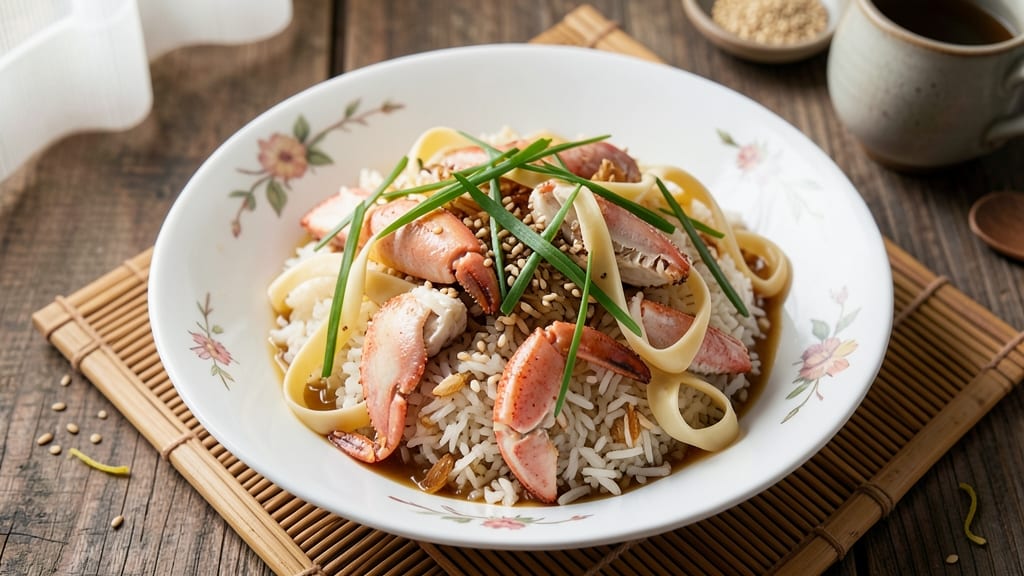
This Chinese crab fried rice recipe delivers restaurant-quality flavors with a crisp-tender wok-tossed texture in just 20 minutes. The secret lies in high-heat stir-frying—achieving that signature wok hei—while balancing sweet, savory, and umami notes through a simple yet bold sauce. I developed this version after years of testing, ensuring every bite delivers melt-in-your-mouth crab, perfectly cooked rice, and a glossy sauce that clings without overpowering.
What sets this apart is the technique: first searing the crab for maximum tenderness, then frying the rice until fragrant and slightly crispy at the edges. The sauce—made with soy, oyster, and a touch of honey—enhances rather than masks the crab’s natural sweetness.
Garnish with green onions and sesame seeds for freshness, and you’ve got a dish that’s elegant enough for company but simple enough for weeknights.
Ingredients for chinese crab fried rice
Fourteen ingredients. One restaurant-worthy dish. All you need for wok-tossed crab fried rice perfection.
| Ingredient | Amount | Notes |
|---|---|---|
| Day-Old Cooked Jasmine Rice 🍚 | 4 cups | Cold, day-old preferred for texture |
| Fresh Blue Crab Meat 🦀 | 1 ½ lb | Lump or claw meat, fresh or thawed |
| Large Eggs 🥚 | 4 whole | Freshly beaten for binding |
| Green Onions 🧅 | ½ cup | White and green parts, sliced thin |
| Sesame Seeds 🌰 | 1 tbsp | Toasted for garnish |
| Vegetable Oil 🫒 | ½ cup | High smoke point for wok hei |
| Light Soy Sauce 🥢 | 3 tbsp | Kikkoman preferred for balance |
| Oyster Sauce 🍜 | 2 tbsp | Lee Kum Kee for authentic flavor |
| Honey 🍯 | 1 tbsp | For subtle sweetness |
| Garlic Cloves 🧄 | 4 cloves | Minced for aromatic base |
| Ginger Root 🌿 | 1 tbsp | Freshly grated, zesty kick |
| Salt 🧂 | 1 tsp | Diamond Crystal preferred |
| White Pepper 🌶️ | ½ tsp | Freshly ground for finish |
| Sesame Oil 🫒 | 1 tsp | For aroma, not cooking |
The crab makes this dish—fresh lump or claw meat is non-negotiable for that melt-in-your-mouth texture. Costco or local seafood markets usually carry the best quality, but frozen works too if it's properly thawed. I always buy a little extra because it disappears fast. The rice? Day-old jasmine rice is key—it's drier and absorbs the sauce better. Cook a big batch the night before, spread it on a tray to cool quickly, and store it in the fridge. For the sauce components, Lee Kum Kee oyster sauce and Kikkoman soy sauce are the gold standards—don't skimp here. The sesame seeds should be toasted in a dry pan for 30 seconds until fragrant, then cooled before using.
No fresh crab? High-quality canned crab meat works in a pinch, but drain it well and pat it dry. Running short on oyster sauce? Hoisin sauce at half the amount gives a similar depth. The honey can be swapped for maple syrup if you're avoiding it. For the garlic and ginger, fresh is non-negotiable—dried or jarred versions won't give you that bright, fresh flavor. The eggs? Room temperature eggs scramble more evenly, but if you're in a rush, just crack them straight from the fridge. The sesame oil is for aroma only—add it at the very end to keep that nutty fragrance intact. And if you're feeling adventurous, swap half the soy sauce for dark soy sauce for a deeper color without extra salt.
This dish tastes even better the next day—make extra and refrigerate. Store the fried rice in an airtight container for up to 3 days, though the texture gets softer over time. The crab meat keeps well for 2 days in the fridge, but use it within 1 day if it's fresh. For freezing, portion the fried rice into single servings and freeze for up to 3 months. When reheating, add a splash of water or soy sauce to keep it moist. The sesame seeds and green onions are best added fresh after reheating—they keep for 5 days in the fridge if stored properly. And trust me, the leftovers reheat beautifully—just toss them in a hot wok with a little oil and soy sauce to revive that wok hei.
Why You'll Love This Recipe
- One-Pan Magic: I swear by this recipe when I’m too tired to scrub three bowls—just toss everything into one hot wok, and the crab meat melts into the rice while the eggs scramble perfectly. That crispy sesame seed finish happens almost by accident.
- Sweet-Savory Crunch: The crab’s briny sweetness cuts through the eggy richness, and those toasted sesame seeds add a nutty punch that makes every bite feel like a little celebration. Honestly, I’ll take this over takeout any day.
- Lunchbox Hero: Between us, this is my go-to for packed lunches—it reheats beautifully, and the crab stays tender even after a day in the fridge. My kid’s school lunchbox has never been more exciting (or less sad).
- Budget Luxury: Fresh crab feels fancy, but a single pound stretches across two servings when paired with rice and eggs. I’ll be real: it’s the kind of dish that makes seafood taste like a splurge without actually breaking the bank.
Step-by-step instructions for crab fried rice
Here's how to create restaurant-quality fried rice with sweet, tender crab and perfect wok hei flavor.
Prepare the Crab and Aromatics
Start by patting the 1.5 lb fresh blue crab meat completely dry with paper towels to remove any excess moisture. This ensures it stays tender and absorbs flavors better during cooking. In a small bowl, whisk together the 4 whole large eggs with 1 tsp salt, 0.5 tsp white pepper, and 1 tbsp sesame oil until fully combined. Set aside.
Next, mince the 4 cloves garlic cloves and grate the 1 tbsp ginger root using a microplane. Thinly slice the 0.5 cup green onions, separating the white and green parts. Toast the 1 tbsp sesame seeds in a dry skillet over medium heat for 1-2 minutes until fragrant and golden. Set aside for garnish.
Create the Wok Hei Base
Heat a wok or large skillet over high heat until it's smoking hot. Add 0.5 cup vegetable oil and swirl to coat the bottom evenly. Add the minced garlic and ginger, stirring constantly for 30 seconds until fragrant but not browned. This quick cooking preserves their bright flavors.
Immediately add the 4 cups day-old cooked jasmine rice, breaking up any clumps with a spatula. Stir-fry for 2-3 minutes until the rice is heated through and begins to sizzle against the wok. This step is critical—it develops that signature wok hei aroma and prevents gummy rice.
Add Crab and Sauces
Push the rice to one side of the wok, creating space in the center. Pour the egg mixture into the empty space and scramble quickly with a spatula for 20-30 seconds until just set but still slightly runny. This creates soft, silky egg curds that blend perfectly with the rice.
Add the 1.5 lb dried crab meat to the wok, spreading it evenly over the rice. Pour in the 3 tbsp light soy sauce, 2 tbsp oyster sauce, and 1 tbsp honey, stirring vigorously to combine. The sauce should coat the rice and crab completely. Cook for another 2-3 minutes until the crab turns opaque and the flavors meld.
Finish with Green Onions and Garnish
Add the white parts of the 0.5 cup green onions and stir for 30 seconds to wilt slightly. Then add the green parts and toss everything together for another 30 seconds until evenly distributed. The green onions should brighten the dish with freshness while maintaining their crisp texture.
Remove the wok from heat and transfer the fried rice to serving plates. Garnish immediately with the toasted sesame seeds and any remaining green onion tops. The dish should be vibrant with contrasting colors—golden crab, creamy egg, and bright green onions—with an aroma that combines sweet, savory, and umami notes.
Pro Tips For Making Chinese Crab Fried Rice
- PREP CRAB LAST: Add the crab meat when the rice is almost done—right after the eggs but before the final stir. It’s delicate and overcooks in seconds, turning rubbery faster than you’d think. I used to toss it in early, and it’d turn into sad, gray mush.
- CRACK EGGS HOT: Scramble the eggs in the same wok over medium-high heat until just set, then push them to one side and let the rice sear in that egg fat for 30 seconds. The residual heat caramelizes the rice edges, giving it that smoky depth you pay extra for at restaurants.
- CHOP GREEN ONIONS THIN: Slice the green onions paper-thin—no thick chunks. They should melt into the rice rather than sit as chewy afterthoughts. My first few batches used half-inch pieces, and they always felt like an afterthought. Now I use a sharp knife and go for it.
- USE DAY-OLD RICE ONLY: No exceptions. Fresh rice turns to gluey paste the second you add liquid. Spread leftover rice on a tray, let it dry out overnight, then break it up with your hands before stirring. It’s the only way to get that perfect, separate-grain texture—no matter how impatient you are.
Troubleshooting this recipe
Rice Too Dry?
If your rice ends up dry and crumbly, it’s likely because it wasn’t cold enough when you started cooking. Always use day-old rice that’s been chilled in the fridge—this prevents excess moisture.
If you’re short on time, spread freshly cooked rice on a tray and refrigerate for 30 minutes before using. Another trick? Add 1 tbsp water or broth to the wok while stir-frying to restore moisture. 💧
Sauce Too Salty?
Too much soy sauce can easily overpower the dish. The key is balance: start with 2 tbsp light soy sauce and taste as you go. If it’s too salty, dilute with ½ cup water or broth and stir in 1 tsp honey or sugar to balance.
For extra depth, add a splash of rice vinegar—just ½ tsp brightens the flavors without adding salt. 🧂
Crab Overcooked?
Crab meat cooks in 30 seconds or less—any longer, and it turns rubbery. Remove the crab from the wok as soon as it turns opaque (usually 1-2 minutes after adding). If you’re using frozen crab, thaw it completely and pat it very dry before cooking.
For extra tenderness, sear the crab in a separate pan with 1 tsp oil for 1 minute before adding it to the rice. 🦀
Eggs Too Dry?
Overcooked eggs make fried rice taste bland. Scramble them for just 20-30 seconds until barely set—you want soft, silky curds that blend into the rice. If your eggs turn out dry, whisk in 1 tsp water or milk before cooking.
For extra richness, add ½ tsp butter to the wok when scrambling. 🥚
No Wok Hei Flavor?
Wok hei—the smoky, aromatic essence—comes from high heat and a well-seasoned wok. If your dish lacks depth, crank the heat to maximum and let the wok get smoking hot before adding oil.
A cast-iron skillet works too, but preheat it for 5 minutes on high. For extra aroma, finish with ½ tsp toasted sesame oil right before serving. ⚡
Rice Too Gummy?
Freshly cooked rice releases too much starch, making fried rice sticky. Always use day-old rice and break up any clumps with a spatula while stir-frying. If your rice is still gummy, add 1 tbsp more oil and cook for 1 extra minute to crisp it up.
For a pro move, spread the rice on a tray and dry it in a 200°F oven for 10 minutes before cooking. 🍚
Nutrition facts
Frequently asked questions
Can I use frozen crab instead of fresh?
Yes, but thaw it completely first by placing it in the fridge overnight. Pat the crab meat very dry with paper towels before cooking—this prevents soggy rice. For extra tenderness, sear the crab in a separate pan with 1 tsp oil for 1 minute before adding it to the wok.
What's the best way to make the rice crispy?
Use day-old jasmine rice that's been chilled in the fridge. Spread it on a tray and refrigerate for 30 minutes if using fresh rice. Cook it at high heat for 2-3 minutes until it begins to sizzle—this creates that signature crispy texture. Add 1 tbsp oil if it seems too moist.
How can I make this dish vegetarian?
Swap the crab for 1.5 lb firm tofu or mushrooms (shiitake or oyster). Press tofu to remove excess water, then cube and pan-fry until crispy. For umami depth, add 1 tbsp vegetarian oyster sauce and ½ tsp smoked paprika to the sauce mixture. The dish will still be packed with flavor!
Can I make this ahead of time?
Yes! Store the fried rice in an airtight container in the fridge for up to 3 days. Reheat in a wok or skillet with 1 tbsp oil and 1 tbsp water or broth to restore moisture. Garnish with fresh green onions and sesame seeds after reheating for the best texture. The flavors actually improve overnight!
What's the secret to perfect wok hei?
Wok hei means "breath of the wok" and comes from high heat and a well-seasoned pan. Get your wok smoking hot before adding oil, then cook everything quickly. Use high-quality oil (like peanut or avocado) and keep stirring constantly. Finish with ½ tsp toasted sesame oil for that signature aroma.