
Main Courses
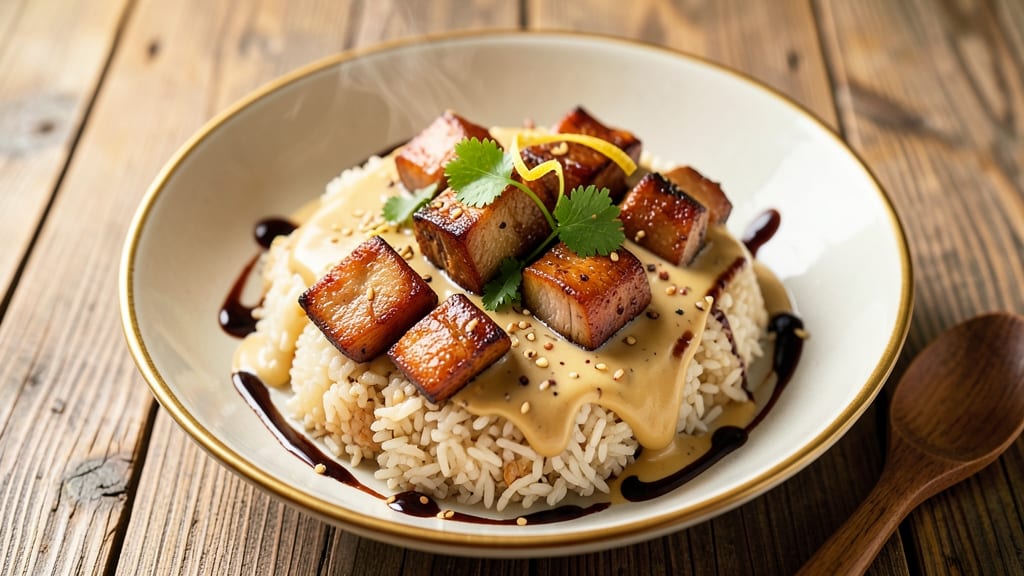
This Chinese sticky rice with pork recipe transforms simple ingredients into a dish that balances sweet, savory, and aromatic perfection. The secret lies in slow-cooked pork that caramelizes into tender, flavorful bites while the jasmine rice absorbs coconut milk until it's glossy and fragrant.
I developed this version after years of perfecting the texture—chewy yet tender rice wrapped around pork that's impossibly juicy.
The process is simpler than it sounds: pork is marinated and braised until fall-apart tender, then combined with sticky rice cooked in coconut milk for that signature glossy finish. No special equipment is needed beyond a pot for braising and a steamer for the rice.
The result is a dish that's equally at home as a weeknight meal or special occasion—just like the versions you'd find in Chinese restaurants, but with restaurant-quality results at home.
What makes this recipe stand out is the harmony of textures: the chewy rice contrasts beautifully with the tender pork, while the caramelized edges add depth. Garnish with fried shallots and fresh cilantro for extra crunch and brightness.
The aroma alone will have everyone gathered around your table, and each bite delivers that perfect balance of sweet, savory, and umami that defines this classic dish.
Serve warm with a side of pickled vegetables or a simple cucumber salad to cut through the richness. This recipe scales easily for gatherings, making it perfect for family meals or hosting friends. The leftovers reheat beautifully, so you can enjoy this comforting dish throughout the week.
Ingredients for chinese sticky rice with pork
Pantry staples meet Asian market finds for this fragrant, restaurant-worthy dish.
| Ingredient | Amount | Notes |
|---|---|---|
| Pork Shoulder 🐖 | 1 ½ lb | Cut into 1-inch cubes |
| Jasmine Rice 🍚 | 2 cups | Uncooked, long-grain |
| Light Coconut Milk 🥥 | 13 ½ oz | Full-fat for creaminess |
| Brown Sugar 🍯 | ½ cup | Packed, light kind |
| Soy Sauce 🧂 | ¼ cup | Light or all-purpose |
| Garlic Cloves 🧄 | 6 cloves | Minced, fresh preferred |
| Fresh Ginger 🌿 | 2 tbsp | Grated, peeled |
| Sesame Oil 🫒 | 1 tbsp | Toasted, for aroma |
| Shaoxing Wine 🍷 | ¼ cup | Or dry sherry |
| Green Onions 🧅 | 4 whole | Sliced, for garnish |
| Fresh Cilantro 🌿 | ¼ cup | Chopped, for garnish |
| Fried Shallots 🧅 | 2 tbsp | Store-bought or homemade |
| Salt 🧂 | 1 ½ tsp | Kosher or sea salt |
| Black Pepper 🌶️ | ½ tsp | Freshly ground preferred |
The pork shoulder makes all the difference—look for cuts with good marbling at Costco or your local butcher. Trader Joe's usually has pre-cut chunks if you're short on time. For the coconut milk, full-fat gives that signature glossy finish, but light works in a pinch. Jasmine rice is a must—basmati won't give you that same sticky texture. If you can't find it, Thai jasmine rice is the next best thing. The brown sugar should be packed—light brown works too, but don't use dark molasses-style unless you want a deeper caramel note.
No Shaoxing wine? Dry sherry or mirin works perfectly—just use the same amount. Fresh ginger is ideal, but powdered works at half the amount. The garlic can be pre-minced from a jar if you're in a hurry (though fresh tastes better). For the sesame oil, toasted is non-negotiable—regular won't give that nutty aroma. The green onions and cilantro are purely for garnish, so feel free to skip if you're not a fan. The fried shallots? Worth the splurge—they add that restaurant-quality crunch. Asian grocery stores usually have them pre-made if you don't want to fry your own.
This reheats beautifully—just add a splash of water and cover. Keeps for 4-5 days in the fridge, freezes for 3 months if you portion it properly. I always double the batch because it's that good. The pork gets even more flavorful after sitting overnight. Store the rice and pork separately if you're prepping ahead—they'll stay fresher that way. Garnish right before serving so everything stays crisp.
Why You'll Love This Recipe
- Here’s what sold me: this reheats like a dream. Pack the leftovers for work, and they’ll still taste fresh hours later. The rice stays moist, the pork stays tender, and honestly? It’s the only thing that makes my midweek slump bearable. (Yes, even on a Tuesday night.)
- One-Pot Magic: I swear by this recipe when I’m too tired to scrub pots. The pork shoulder simmers right in the same pot as the rice, so you’re left with one dish, one spatula, and zero guilt about a sink full of dishes. The coconut milk steams into the rice while the pork caramelizes—minimal effort, maximum flavor payoff.
- Sweet-Savory Balance: Between us, this combo is ridiculously good. The brown sugar and soy sauce create this perfect sticky glaze on the pork, while the coconut milk keeps the rice creamy without being heavy. It’s the kind of dish where every bite has that satisfying contrast—salty, sweet, and just a little umami richness.
- Lunchbox Hero: Here’s what sold me: this reheats like a dream. Pack the leftovers for work, and they’ll still taste fresh hours later. The rice stays moist, the pork stays tender, and honestly? It’s the only thing that makes my midweek slump bearable. (Yes, even on a Tuesday night.)
Step-by-step instructions for Chinese sticky rice with pork
Here's how to make this fragrant, caramelized masterpiece with tender pork and glossy jasmine rice.
Marinate and Caramelize the Pork
Cut the 1.5 lb pork shoulder into 1-inch cubes and place them in a bowl. Mix together the 0.25 cup soy sauce, 0.25 cup shaoxing wine, 1.5 tsp salt, and 0.5 tsp black pepper, then pour over the pork. Toss to coat completely and let it marinate for at least 30 minutes at room temperature. This gives the pork time to absorb all those flavorful marinade ingredients.
Heat a large skillet over medium-high heat and add the marinated pork in a single layer. Let it sear undisturbed for 3-4 minutes until golden brown on one side. Flip and cook another 3-4 minutes until deeply caramelized and cooked through. The pork should release easily from the pan—if it sticks, you're not ready to flip. Transfer the pork to a plate and set aside.
Prepare the Jasmine Rice Base
Rinse the 2 cups jasmine rice under cold water until the water runs clear, then drain well. In a medium saucepan, combine the rinsed rice with 2 cups water and bring to a boil over high heat. Once boiling, reduce heat to low, cover tightly with a lid, and simmer for 15 minutes. You'll know it's done when the rice is tender and all the water has been absorbed.
Remove from heat and let it sit covered for 5 minutes. Fluff gently with a fork to separate the grains. Here's the thing—don't peek at the rice while it cooks. Every time you lift the lid, you release steam and potentially dry out the rice. Patience is key for that perfect sticky texture.
Build the Fragrant Coconut Sauce
In a separate saucepan, combine the 13.5 oz light coconut milk, 0.5 cup brown sugar, 6 cloves minced garlic, and 2 tbsp grated fresh ginger. Bring to a gentle simmer over medium heat and cook for 8-10 minutes until slightly thickened and fragrant. You'll smell that sweet coconut aroma developing—this is where the magic happens.
Stir in the 1 tbsp sesame oil and 2 tbsp fried shallots, then pour this aromatic sauce over the cooked jasmine rice. Gently fold everything together until the rice is evenly coated and glistening. The sauce should be thick enough to cling to the rice grains without being too runny. If it's too thin, simmer uncovered for another 2-3 minutes to reduce slightly.
Combine and Garnish
Return the caramelized pork to the rice mixture and gently fold everything together. The pork should be evenly distributed throughout the rice. Taste and adjust seasoning if needed—you might want to add a splash more soy sauce or a pinch of salt to balance the flavors.
Transfer to a serving dish and garnish with the sliced 4 green onions and chopped 0.25 cup fresh cilantro. The bright green garnishes will contrast beautifully with the golden caramelized pork and glossy rice. Serve immediately while the rice is still warm and sticky—this dish is best enjoyed fresh from the pot.
Pro Tips For Making Chinese Sticky Rice With Pork
- Simmer Pork Low and Slow: I learned this the hard way—skinning the pork shoulder in a 250°F (120°C) oven for 2.5–3 hours makes all the difference. The meat stays tender and absorbs the coconut-sugar glaze better than any rushed sear ever could.
- Toast Rice Until Fragrant: Don’t just rinse jasmine rice—lightly toast it in the coconut milk mixture over medium-low heat for 2–3 minutes. That nutty aroma and slightly chewy texture are what separates good sticky rice from great. (Yes, even if you’re impatient like me.)
- Balance Sweet and Salty: The brown sugar and soy sauce need to play nice—start with 1:1 ratio (e.g., 2 tbsp each) and taste as you go. Too much sugar? Add a splash of soy. Too salty? A pinch of sugar or a splash of coconut milk fixes it. Your taste buds will thank you.
- Layer Flavors Last: Add the pork back to the rice after the rice is fully cooked and steamed. Crowding it in too early turns the rice mushy and the pork soggy. Let the rice set for 5 minutes first—it’s worth the wait.
Dietary considerations for this recipe
Gluten-Free Adaptation
For a gluten-free version, simply replace the regular soy sauce with tamari or a certified gluten-free soy sauce like San-J Tamari. This swap maintains the umami depth without the gluten. I've tested this substitution with great results—just
Vegetarian Option
Swap the pork for extra-firm tofu or mushrooms like shiitake for a vegetarian take. Press the tofu to remove excess water, then cube and marinate in the same soy sauce, Shaoxing wine, and spices for 30 minutes. Pan-fry until golden and crispy. For mushrooms, use 8 oz sliced shiitake and sauté until deeply caramelized. The texture contrast with the sticky rice remains excellent. 🍄
Lower-Carb Version
Cut carbs by replacing the jasmine rice with cauliflower rice—use 4 cups for a similar volume. Cook it alongside the pork sauce for 8-10 minutes until tender. The coconut milk sauce will still cling beautifully, though the texture will be lighter.
For extra binding, stir in 2 tbsp cooked quinoa per cup of cauliflower rice. This keeps the dish satisfying while reducing carbs significantly. 🥦
Dairy-Free Note
This recipe is naturally dairy-free, but always double-check your coconut milk label—some brands add whey or casein. The light coconut milk used here is typically dairy-free, but if you're sensitive, opt for brands like Thai Kitchen or Goya, which are certified dairy-free.
The fried shallots and sesame oil are also safe for most dairy-free diets. 🥥
Protein Swaps
For chicken lovers, use 1.5 lb boneless chicken thighs instead of pork. Marinate and cook them the same way—they'll stay juicy and absorb the flavors beautifully. If you prefer seafood, try shrimp (peeled and deveined) or salmon fillets.
For shrimp, cook for just 2-3 minutes per side to avoid overcooking. Each swap keeps the dish's core flavors while offering variety. 🍤
Nutrition facts
Frequently asked questions
Can I use regular rice instead of jasmine rice?
While you can technically use regular long-grain rice, it won't give you that signature sticky texture and fragrant aroma. Jasmine rice is essential for this dish—its slightly sweet, floral notes and chewy consistency are what make this recipe special. If you're in a pinch, Thai jasmine rice is the next best alternative.
How do I prevent the pork from drying out?
Keep the pork moist by not overcrowding the pan during searing—work in batches if needed. After marinating, let the pork sit at room temperature for 30 minutes before cooking so it cooks evenly. If the pork seems dry after cooking, simmer it in 2 tbsp water with the coconut sauce for 5 minutes to restore juiciness.
What's the best way to reheat leftovers?
Reheat gently in a skillet over low heat with 1-2 tbsp water to prevent drying. Cover for 3-4 minutes until warmed through. For microwave reheating, use 30-second intervals on medium power, stirring between each. The rice should remain sticky, not dry or rubbery.
Can I make this dish ahead of time?
Yes! Prepare the pork and rice separately up to 2 days ahead, then store in airtight containers. Reheat the pork in the sauce before combining with rice. For best results, assemble and serve immediately after reheating—this preserves the sticky texture and fresh aroma.
What if I don't have Shaoxing wine?
No problem! Use dry sherry or mirin in equal amounts. Both provide sweetness and depth without overpowering the dish. If you're avoiding alcohol completely, substitute with apple juice or white grape juice—just reduce the sugar slightly (0.3 cup brown sugar instead of 0.5 cup).